Excellent PLC


Product Overview
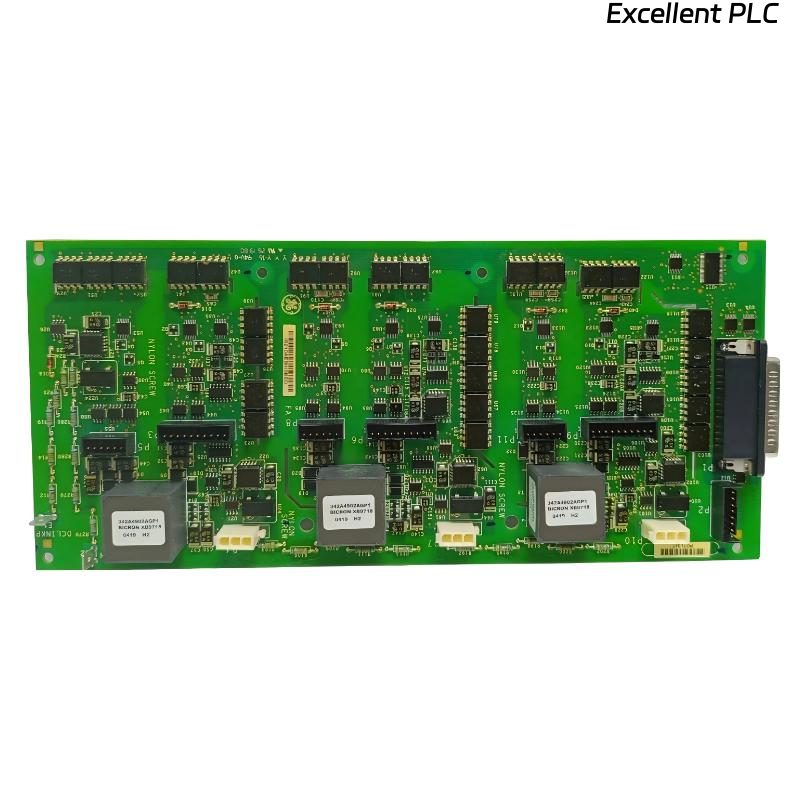
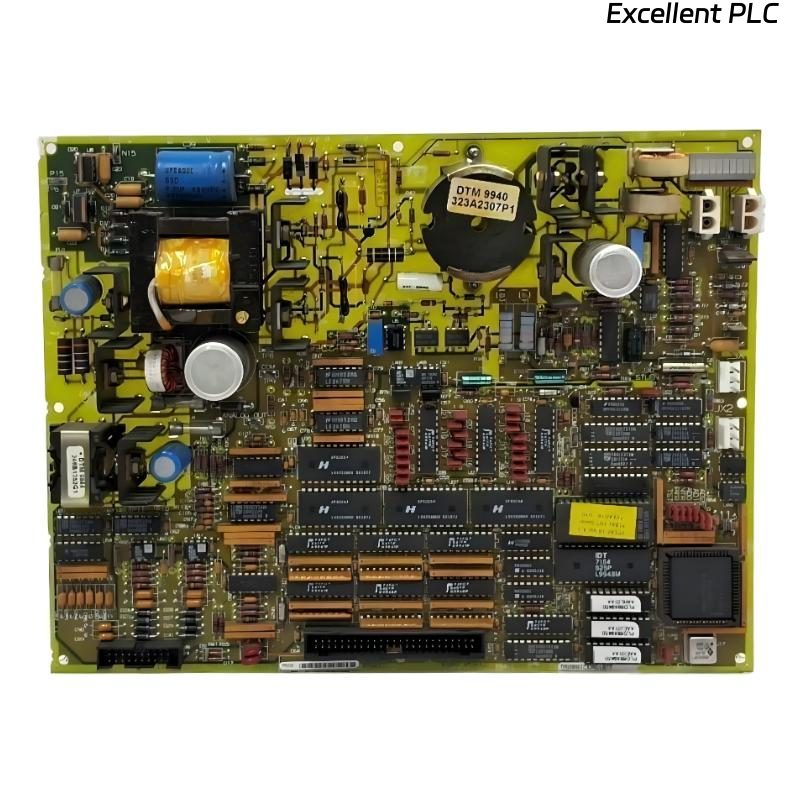
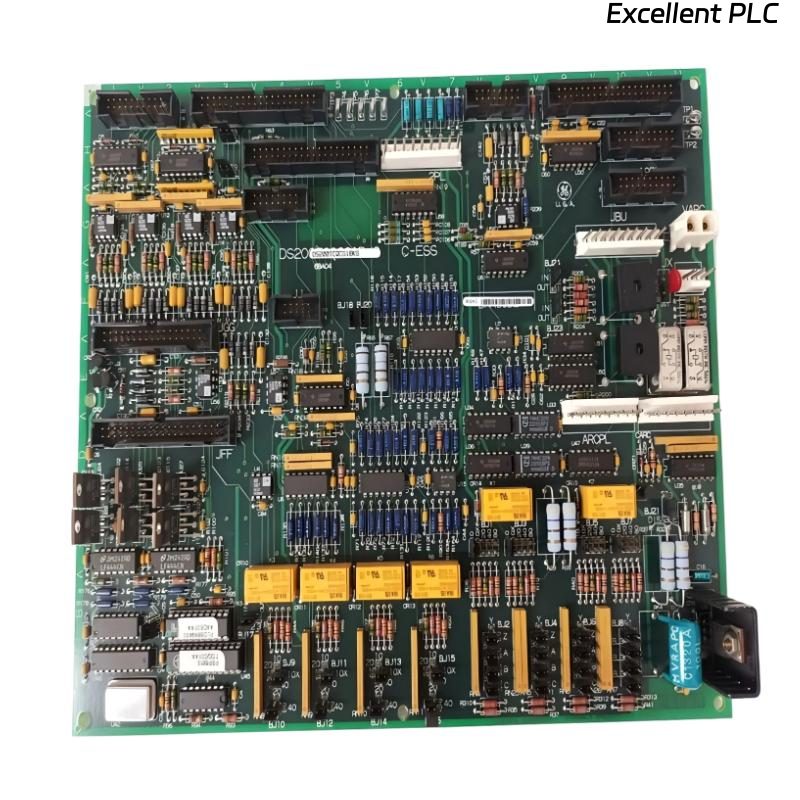
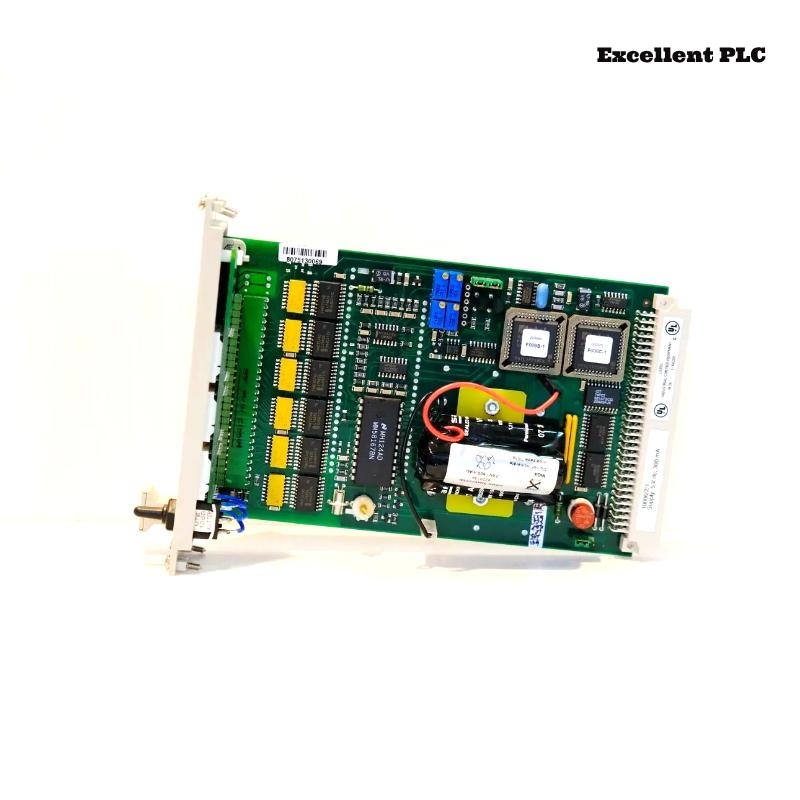
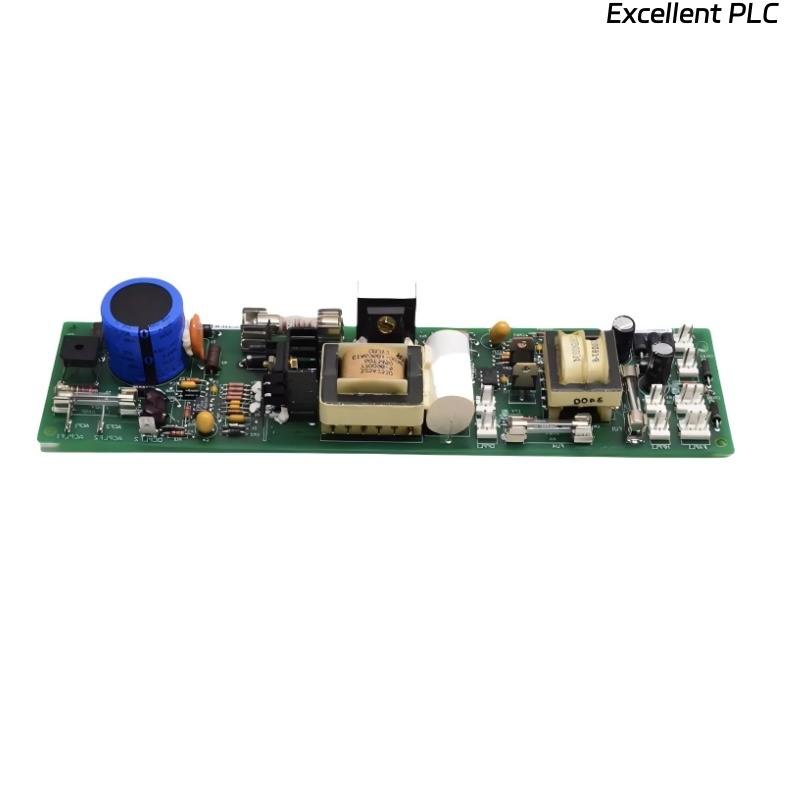
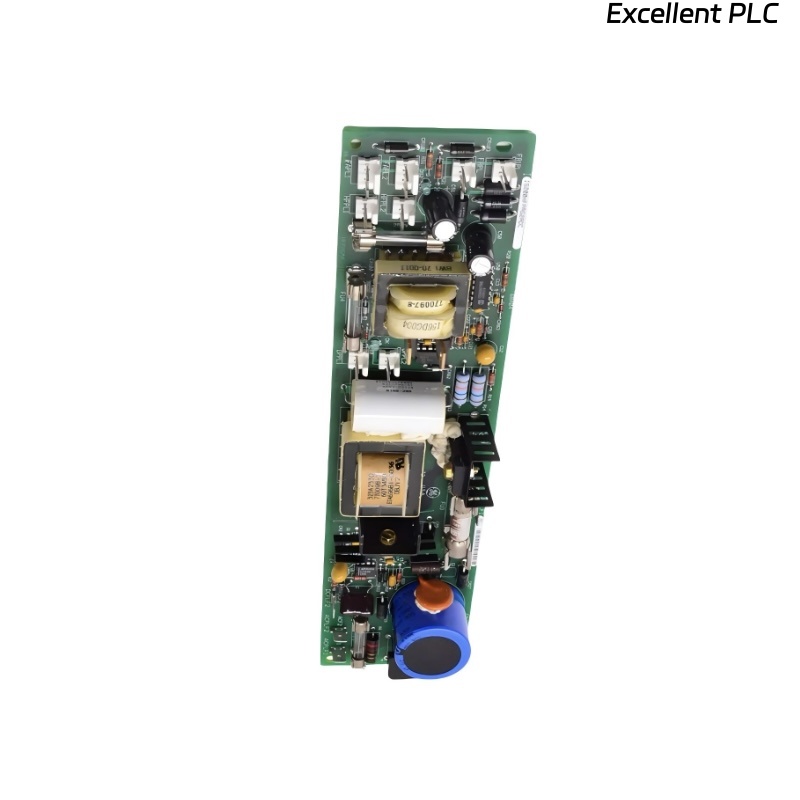
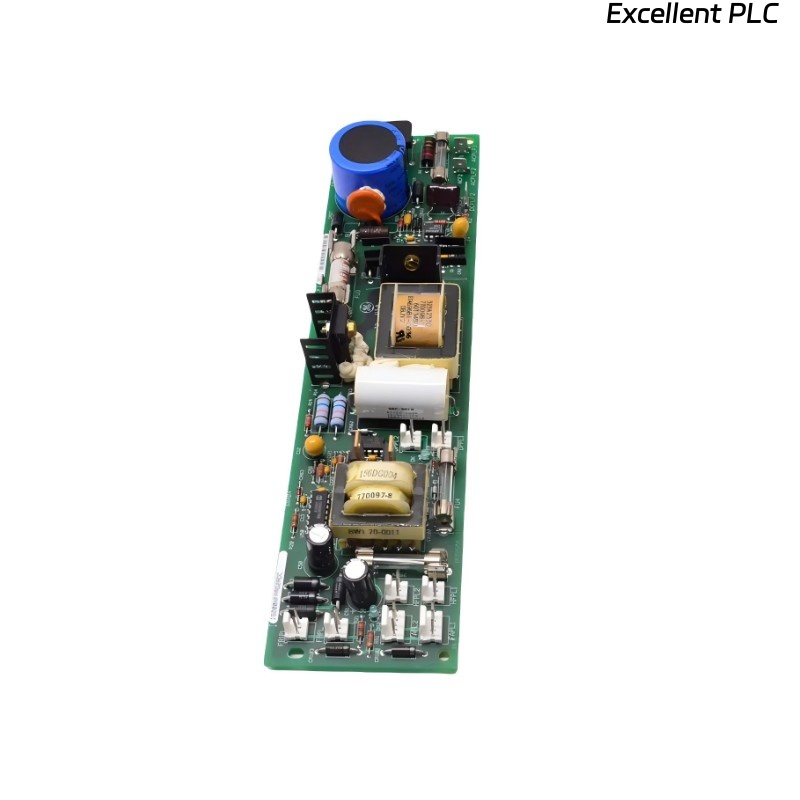
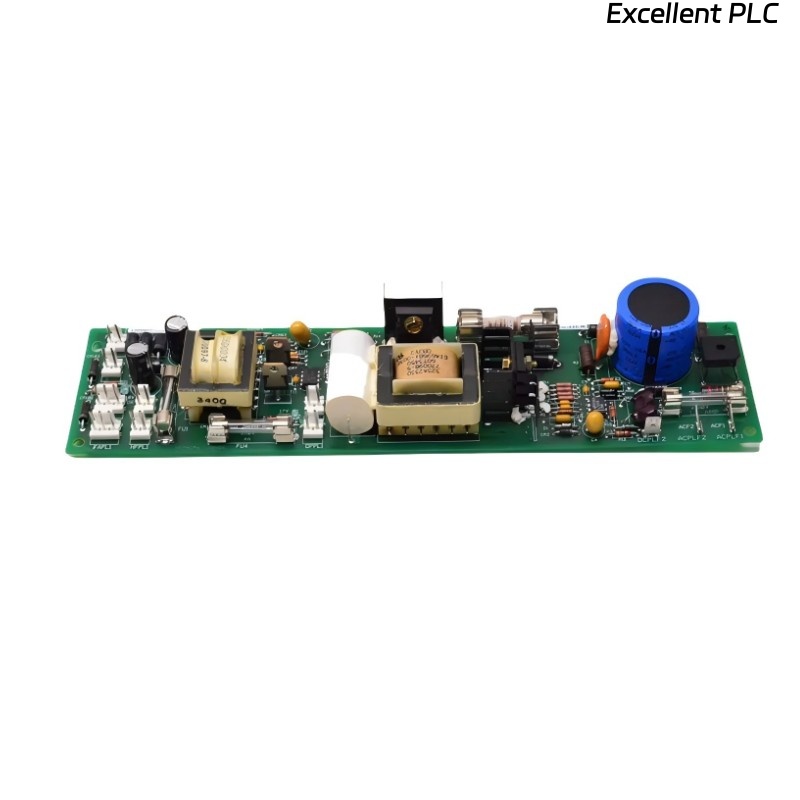
The GE IS200HFPAG2ADC is a high-frequency protection and signal processing module designed for Mark VI and Mark VIe turbine control systems. Built to manage fast-response measurement channels, this board supports applications where precise frequency analysis, event detection, and protective triggering are essential. Its rugged design allows it to remain stable under dynamic turbine operating conditions, making it a reliable component for both new installations and long-term field replacements.
Technical Specifications and Dimensions
| Feature | Details |
|---|---|
| Brand | GE |
| Model | IS200HFPAG2ADC |
| Module Type | High-Frequency Processing / Protection Module |
| Functional Purpose | Rapid signal analysis, protection monitoring |
| Input Handling | High-frequency analog signal conditioning |
| Processing Architecture | Fast-response filtering and event interpretation |
| Isolation | Multi-layer signal and ground isolation |
| Nominal Operating Voltage | 5V / 24V depending on circuit path |
| Dimensions (L × W × H) | 210 mm × 134 mm × 36 mm |
| Weight | 0.77 kg |
| Operating Temperature Range | -20°C to 65°C |
| Mounting Format | Standard Mark VI/VIe rack position |
Application Fields
The IS200HFPAG2ADC is commonly integrated into systems requiring rapid signal reaction and protective oversight. Industries that rely on it include:
-
Gas and steam turbine supervisory protection
-
High-speed event monitoring circuits
-
Overspeed and vibration-related detection networks
-
Condition-based monitoring architectures
-
Mark VI/VIe system upgrades replacing earlier HFPA revisions
Its ability to interpret signals at higher frequencies allows operators to detect abnormal mechanical or electrical behavior earlier, improving system safety.
Performance Advantages in Critical Operations
Compared to conventional conditioning modules, the IS200HFPAG2ADC is engineered to observe fast-moving data without sacrificing stability. Its internal filtering reduces distortion from vibration-induced noise, while isolation layers help maintain clean channels even when surrounded by electrically dense components. Maintenance teams value this module because it reduces false triggers and contributes to more accurate diagnostic data—an advantage during outages and reliability audits.