Excellent PLC


Overview
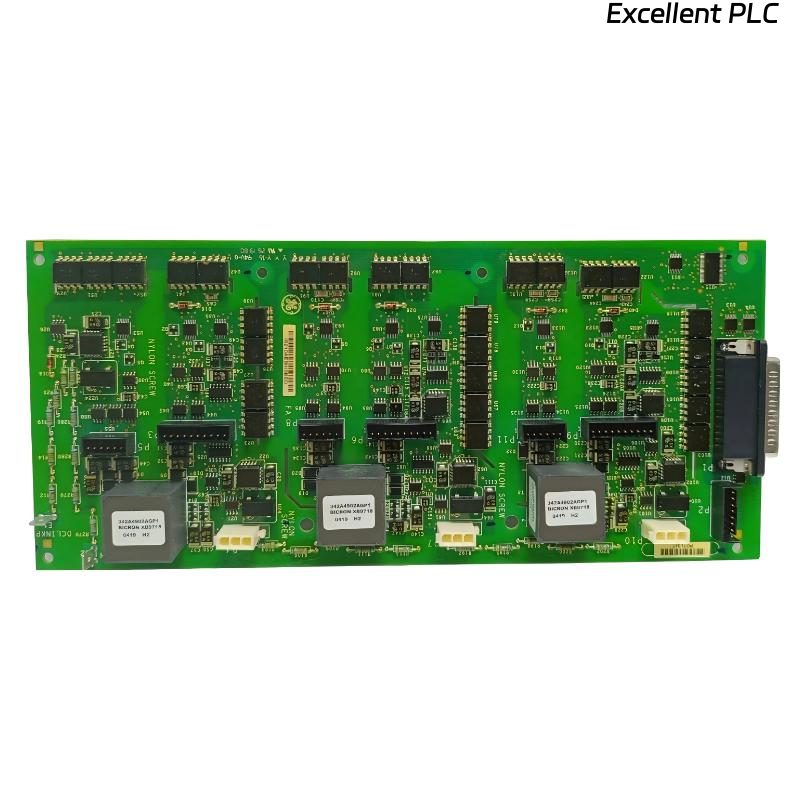
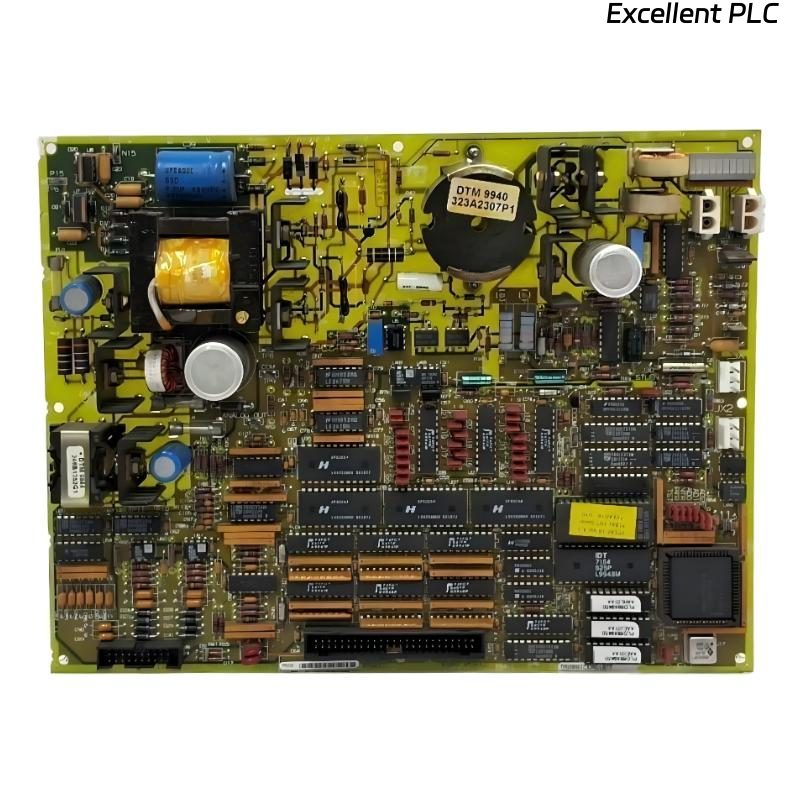
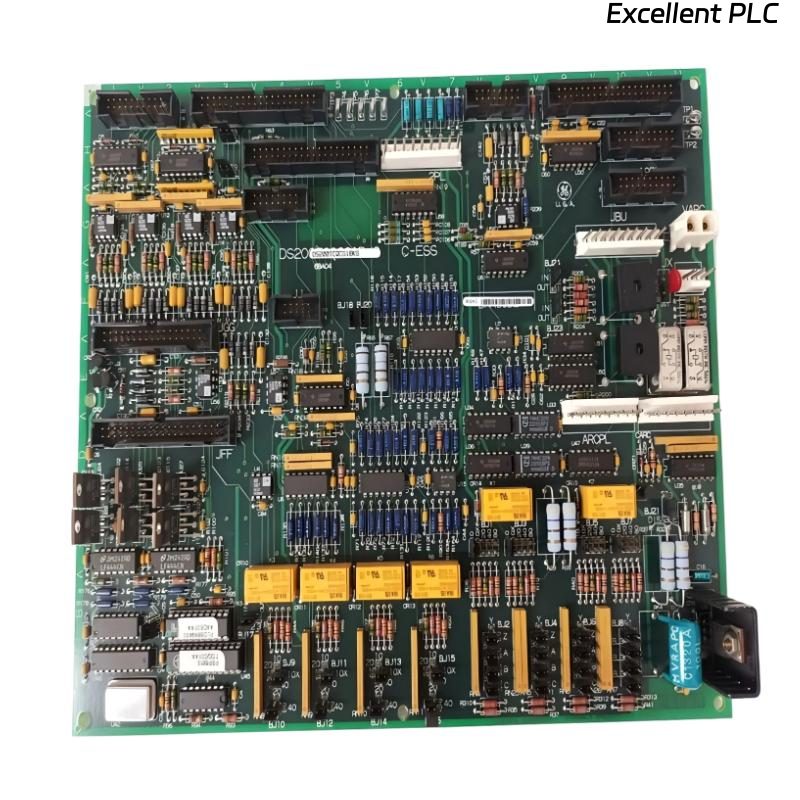
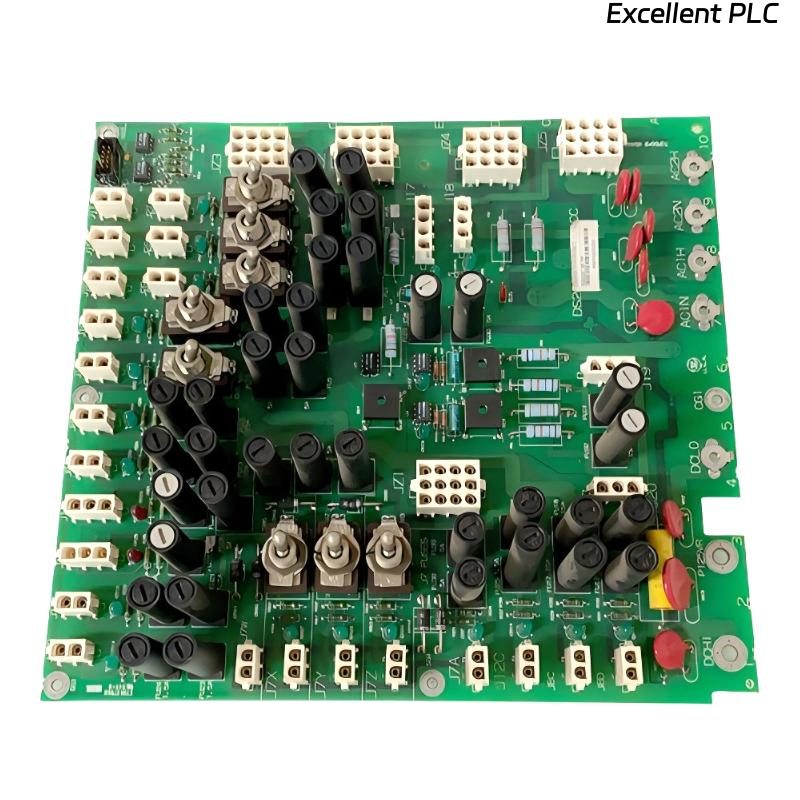
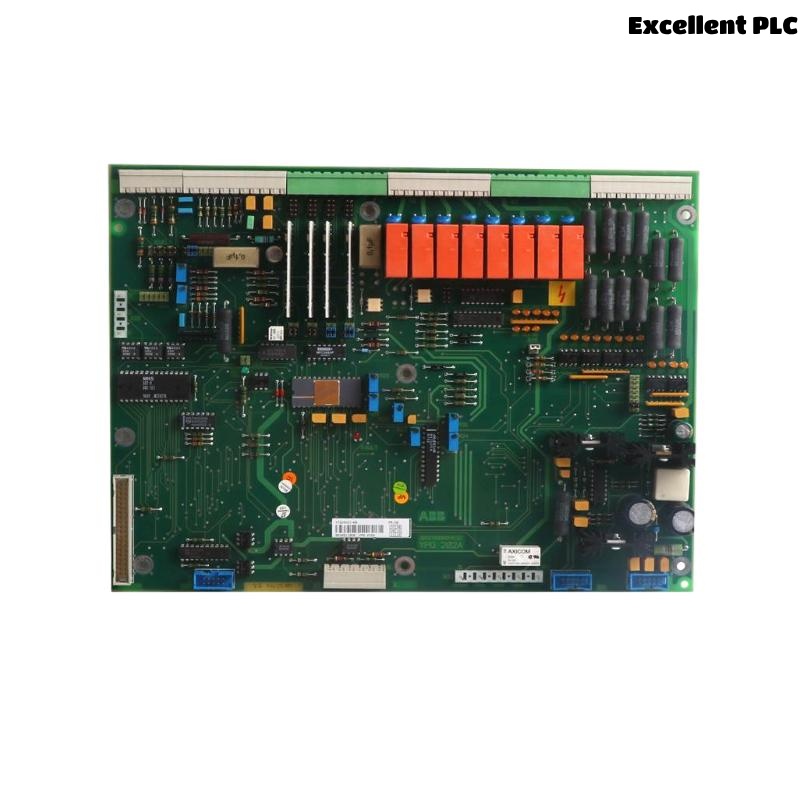
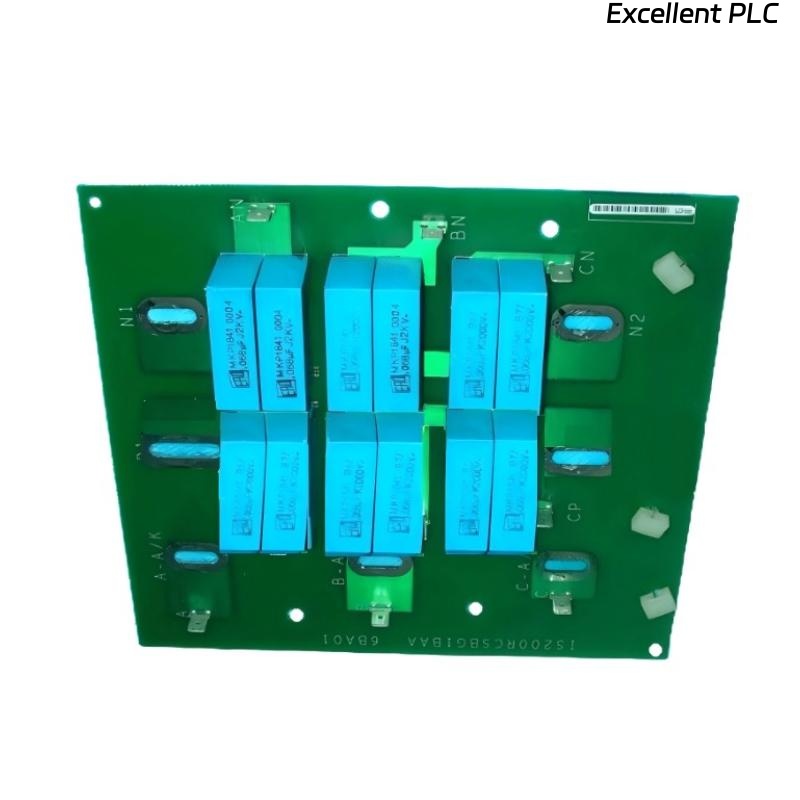
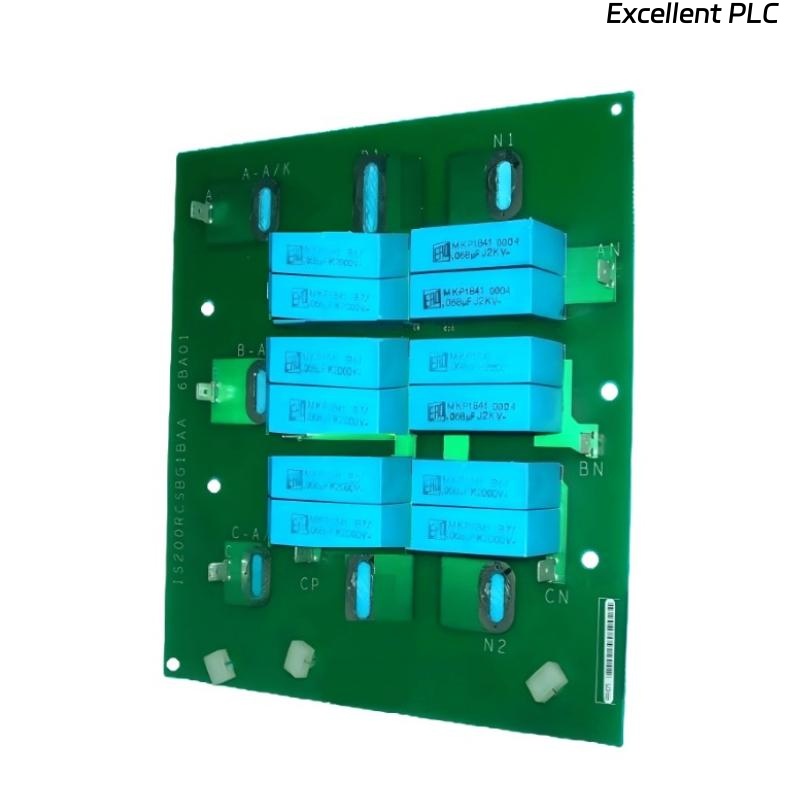
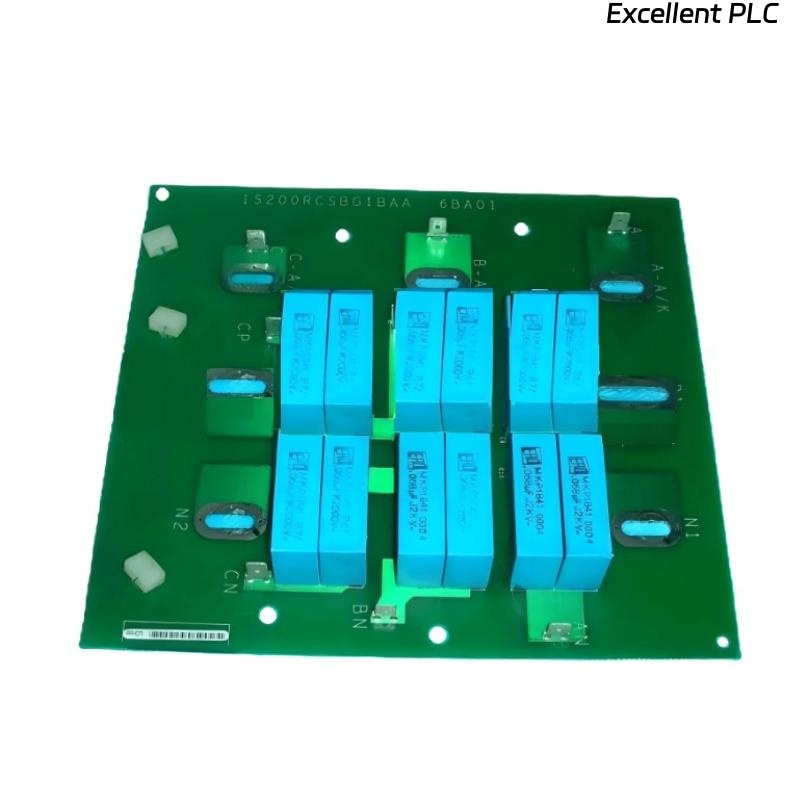
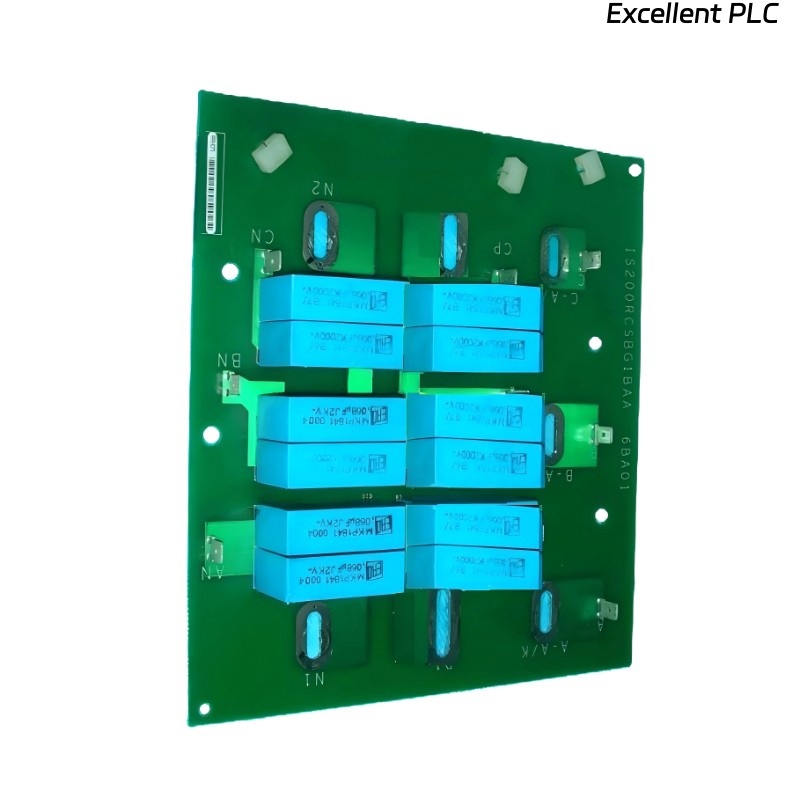
The GE IS200RCSBG1BAA module is a reactor current-sensing board designed for Mark VI power conversion and turbine control systems. Within its operating environment, it provides conditioned current feedback, enabling the main control processor to regulate converter performance with precision. This board plays a critical role in evaluating inductor and reactor behavior, ensuring that system stability and protective logic remain aligned with GE’s control philosophy.
Core Technical Parameters
| Specification | Details |
|---|---|
| Brand | GE |
| Model | IS200RCSBG1BAA |
| Module Category | Reactor Current Sensing Module |
| Electrical Role | Current feedback, signal conditioning, noise filtering |
| Compatible Platform | Mark VI control and power conversion assemblies |
| Input Measurement Type | AC or DC current dependent on installation |
| Interface | Backplane signal path to controller |
| Build Type | Conformal-coated industrial PCB |
| Dimensions (L × W × H) | 198 mm × 128 mm × 29 mm |
| Weight | 0.62 kg |
| Operating Temperature | –20°C to +70°C |
| Mounting Method | Rack-mounted, screw-fastened |
Where This Module Delivers Value
The IS200RCSBG1BAA is used wherever precise monitoring of reactor current is required:
-
AC drive and inverter cabinets
-
Turbine excitation and converter systems
-
Power factor correction assemblies
-
Inductor-based filtering systems
-
High-demand industrial reactors and chokes
Accurate current profiling ensures protective functions trigger correctly and that the drive system can maintain reliable torque, voltage, and frequency regulation under dynamic operating conditions.
Engineering Advantages
This module’s sensing architecture offers high linearity and low drift, allowing it to deliver trustworthy signals even when thermal conditions change. The integrated filtering design reduces electrical noise, improving the quality of feedback before it reaches the main controller. Its ruggedized PCB finish helps it endure prolonged operation in high-vibration industrial environments, reducing the probability of intermittent failures.