Excellent PLC



Assessment Summary
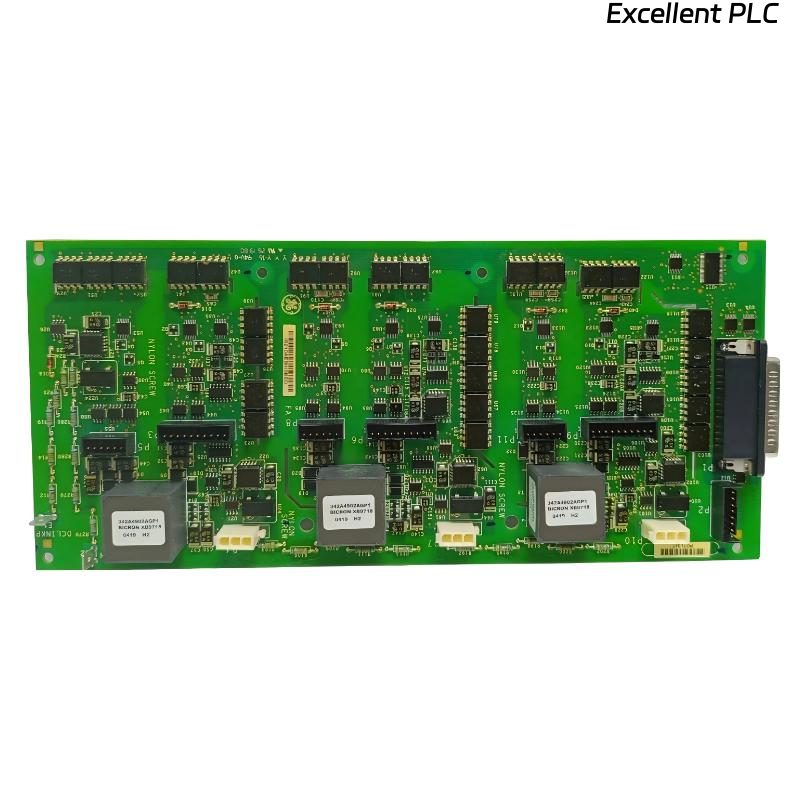
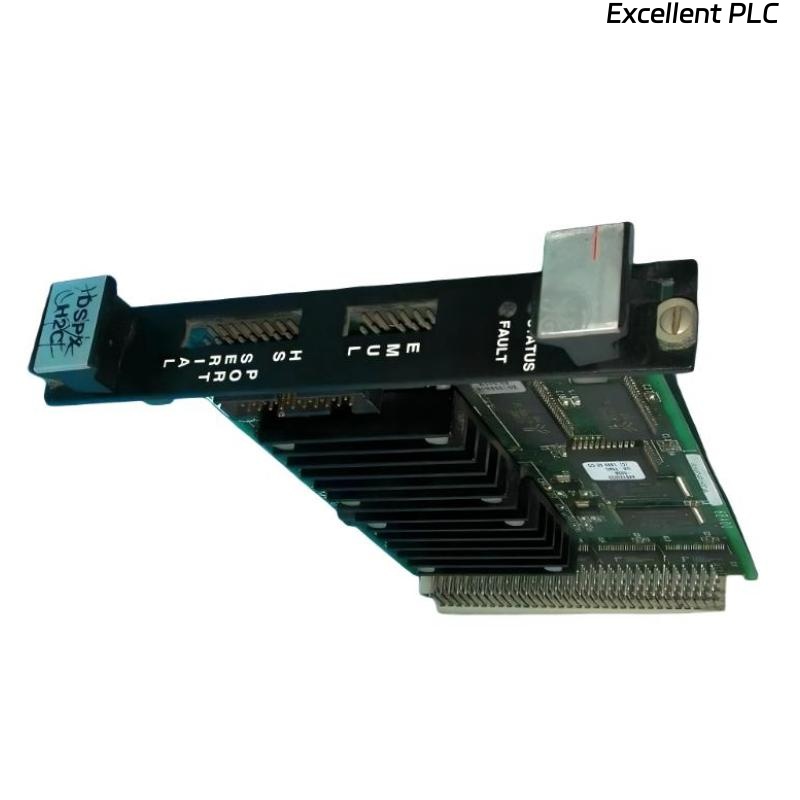
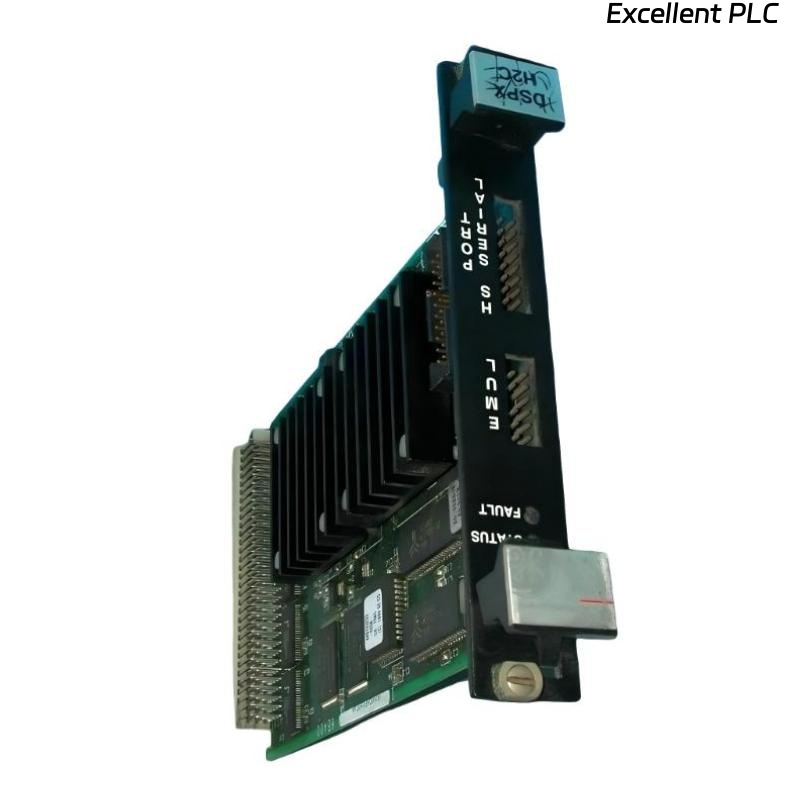
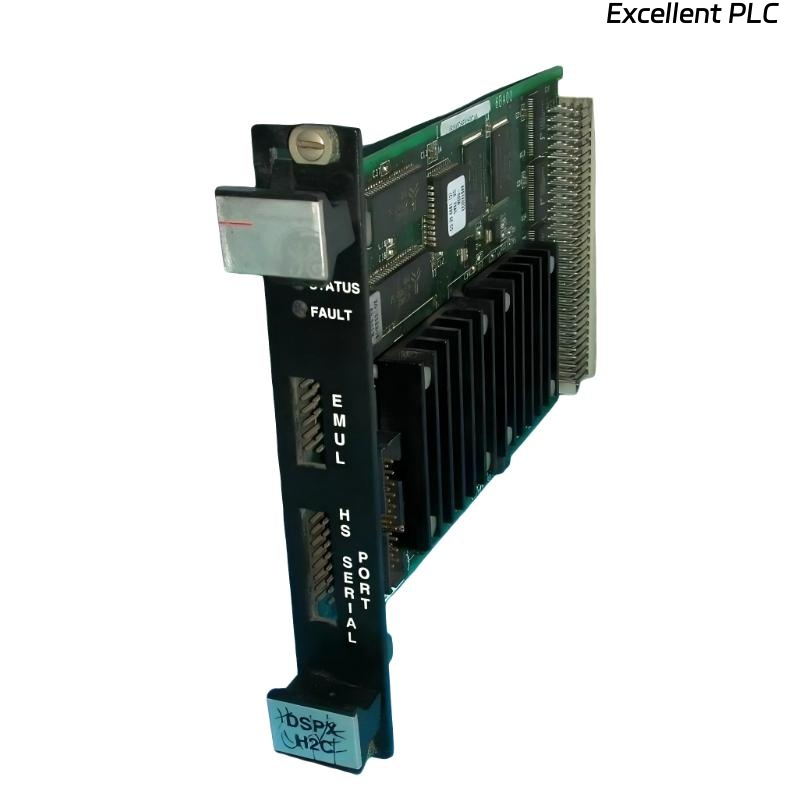
The GE IS200DSPXH2CAA is a high-performance digital signal processor module used throughout Mark VI control platforms. It is responsible for executing time-critical algorithms, coordinating industrial drive behaviors, and managing control loops that demand deterministic responsiveness. Compared with earlier DSPXH variants, this revision provides enhanced data throughput and more stable operating characteristics under load. The module is often deployed in modernization tasks where increased computational headroom and consistent cycle timing are required.
Technical Characteristics & Physical Form
| Specification | Details |
|---|---|
| Brand | GE |
| Model | IS200DSPXH2CAA |
| Module Type | Digital Signal Processor / Control Execution Module |
| Core Function | Real-time algorithm execution, system coordination, signal routing |
| Architecture | Dedicated DSP core with high-speed memory channels |
| Communication Interfaces | Mark VI backplane data lines, local peripheral interfaces |
| Supported Systems | Turbine control, converter control, industrial drive systems |
| PCB Style | Industrial-grade, coated board |
| Dimensions (L × W × H) | 222 mm × 138 mm × 34 mm |
| Weight | 0.83 kg |
| Operating Temperature | –20°C to +70°C |
| Installation | Rack-mounted via keyed connectors |
Operational Context & Use Cases
The IS200DSPXH2CAA sits at the center of real-time control logic within GE Mark VI architectures. In power converter environments, it manages pulse-width modulation updates, executes dynamic system checks, and adjusts control loops continuously. In turbine applications, the board supervises fuel, compressor, or excitation-related calculations. Its deterministic execution makes it suitable for:
-
Medium and high-power drive regulation
-
Turbine control loops with strict timing needs
-
Real-time data exchange between sensor boards and actuator modules
-
System upgrades requiring faster DSP throughput
-
Replacement of aging DSPXH1 or earlier DSP families
The board’s ability to maintain stable cycle times even when tasked with dense computational loads is a key advantage in unpredictable industrial environments.
Engineering Advantages
The stability of the IS200DSPXH2CAA originates from its processing core and efficient coordination with the Mark VI’s communication fabric. Engineers value its predictable latency and low jitter, which directly affect system smoothness and protective reaction times. The board’s construction also demonstrates strong thermal resilience, enabling long operational life even in cabinets subjected to continuous heat cycling. From a maintenance perspective, the module’s clear diagnostic pathways simplify replacement decisions.