Excellent PLC


Product Introduction
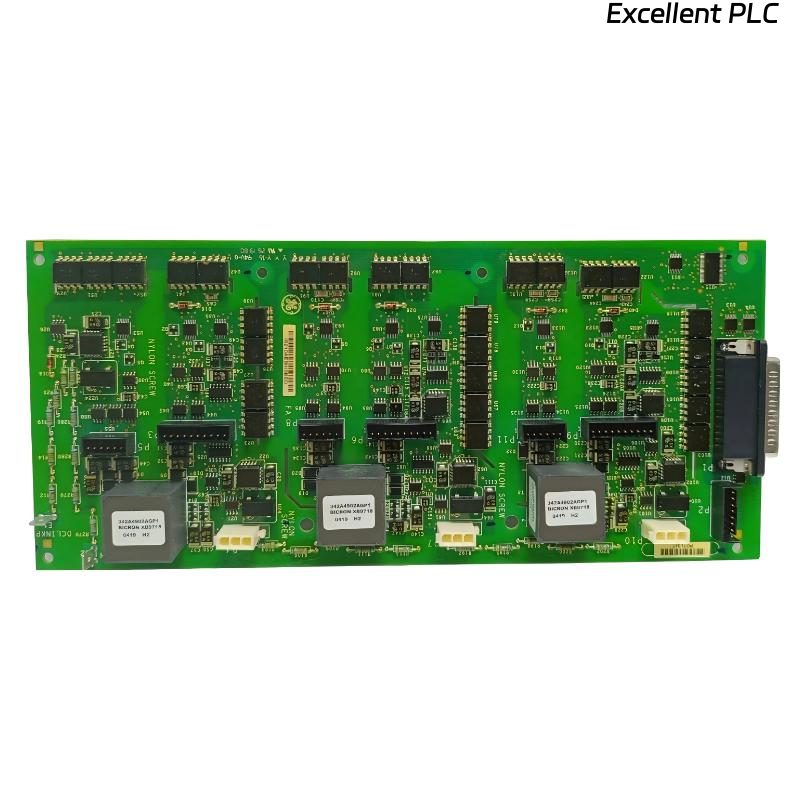
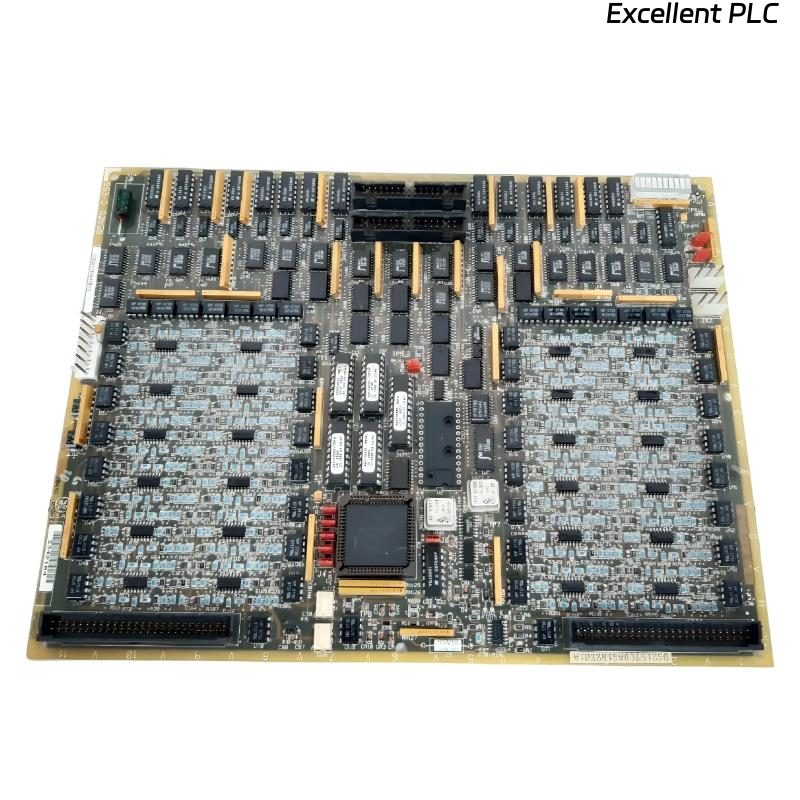
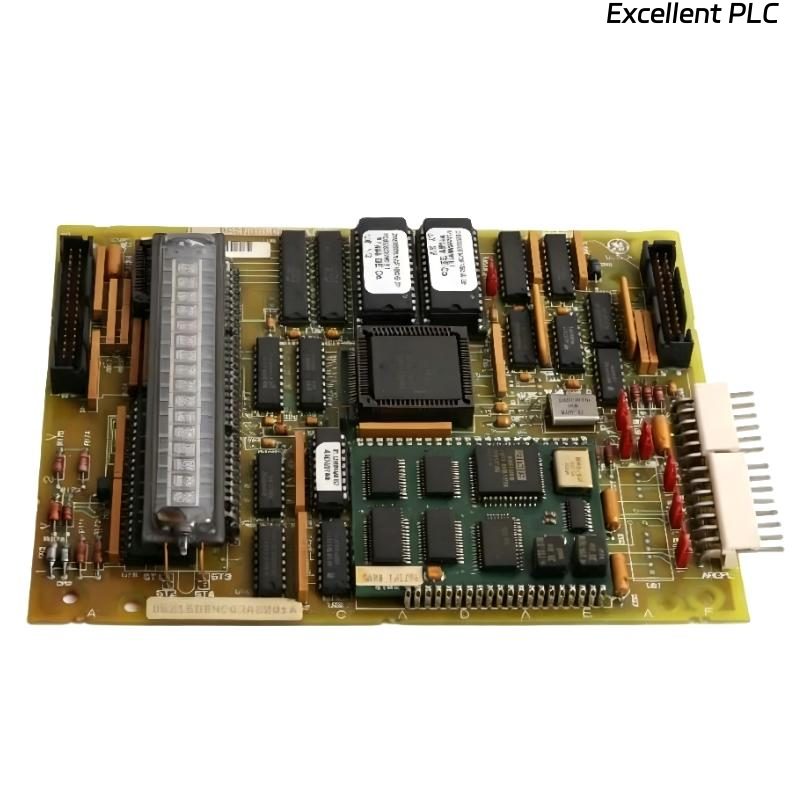
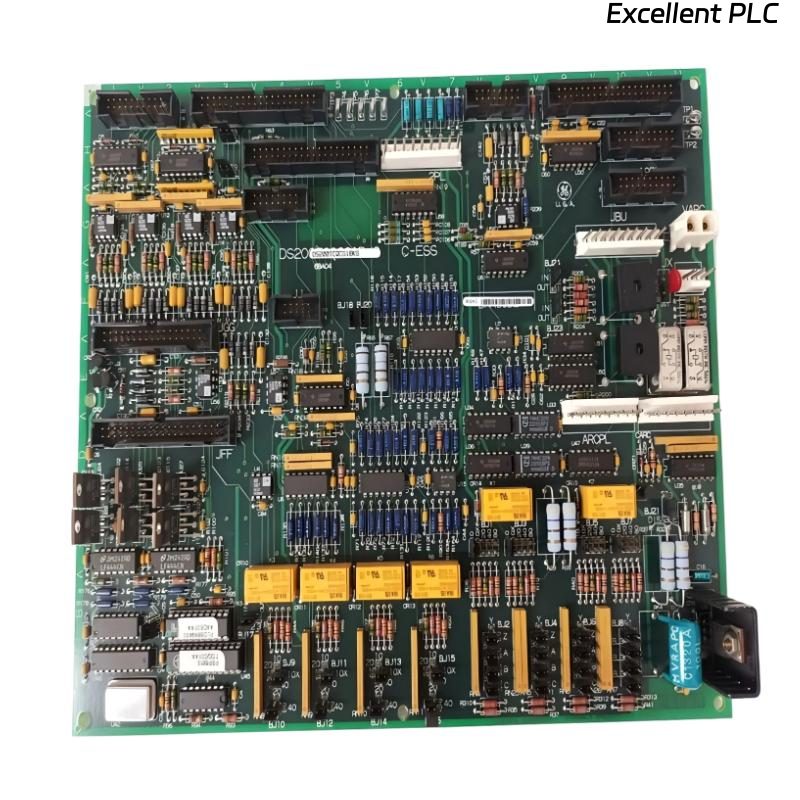
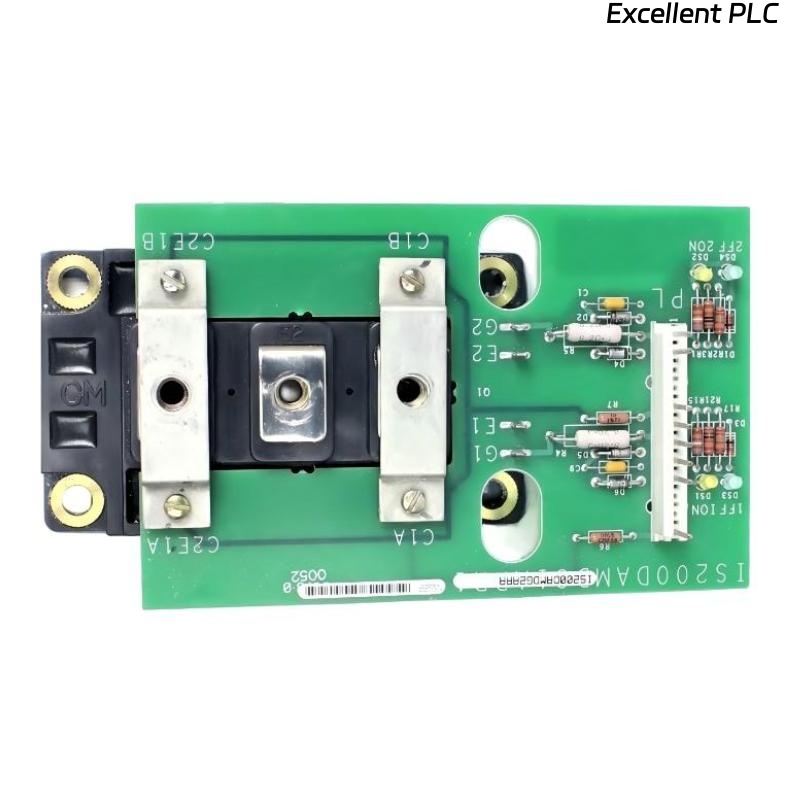
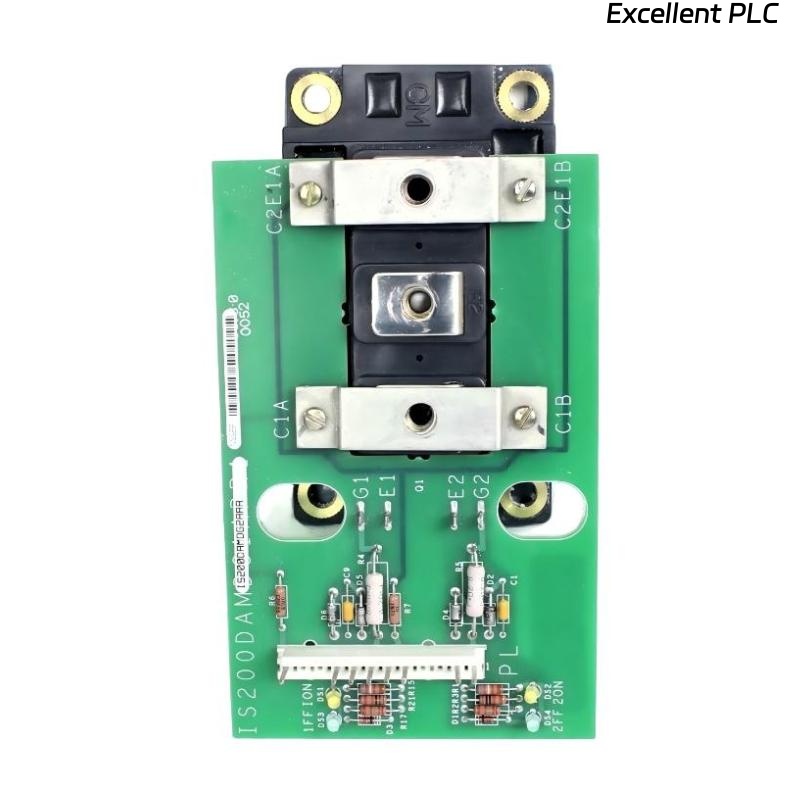
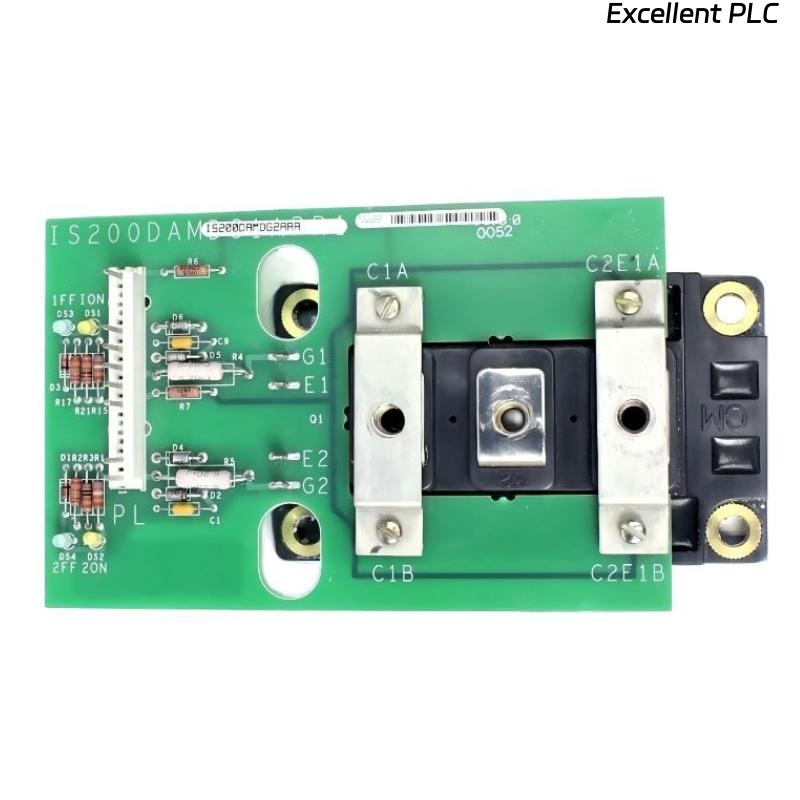
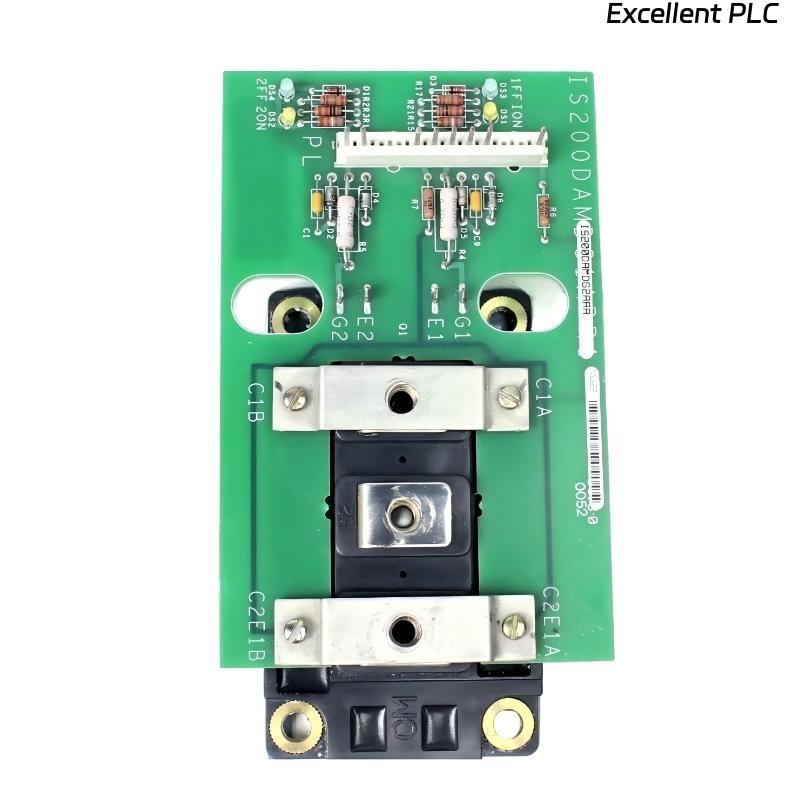
The GE IS200DAMDG2AAA is a digital-analog monitoring and diagnostics module designed for Mark VI and Mark VIe turbine and industrial drive control systems. This module collects, processes, and conditions both digital and analog signals to provide high-fidelity monitoring for system diagnostics. It is especially valued in plants where predictive maintenance and accurate system performance tracking are critical for operational efficiency and reliability.
Technical Specifications & Physical Attributes
| Specification | Details |
|---|---|
| Brand | GE |
| Model | IS200DAMDG2AAA |
| Module Type | Digital/Analog Monitoring & Diagnostics Module |
| Functional Role | Signal conditioning, monitoring, diagnostics |
| Compatible Systems | Mark VI / Mark VIe control platforms |
| Input Types | Analog process signals, digital sensor inputs |
| Output | Conditioned signals to controller |
| PCB Construction | Industrial-grade with protective coating |
| Dimensions (L × W × H) | 215 mm × 138 mm × 34 mm |
| Weight | 0.77 kg |
| Operating Temperature | –20°C to +65°C |
| Mounting Method | Rack-mounted with keyed connector alignment |
Applications & Use Cases
The IS200DAMDG2AAA is deployed in systems requiring precise signal conditioning and integrated diagnostics:
-
Turbine condition monitoring and fault detection
-
Industrial drive control cabinets for voltage and current tracking
-
Predictive maintenance systems to detect early anomalies
-
Retrofit projects replacing DAMDG1 or earlier revisions
-
Analog and digital signal bridging for control loops
It enables operators to proactively monitor system health and avoid downtime due to unexpected equipment issues.
Operational Advantages
Engineers benefit from the module’s ability to provide stable, high-fidelity analog and digital outputs even under fluctuating electrical conditions. Its diagnostic features reduce troubleshooting time and help ensure system continuity. The robust industrial-grade design extends service life, reduces susceptibility to electrical noise, and provides predictable operation across temperature variations and high-vibration environments.