Excellent PLC


Architectural Introduction
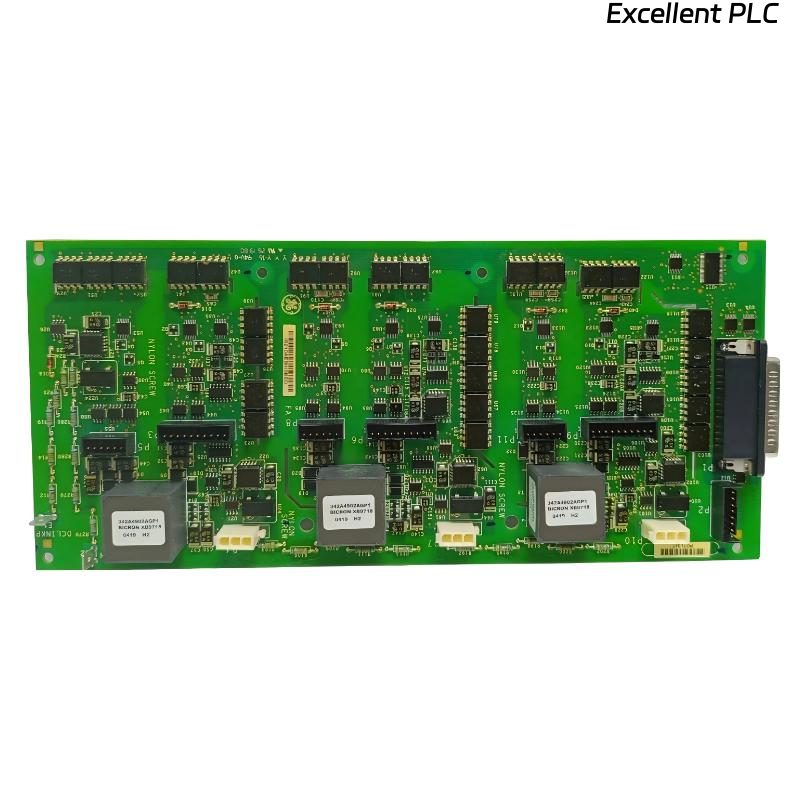
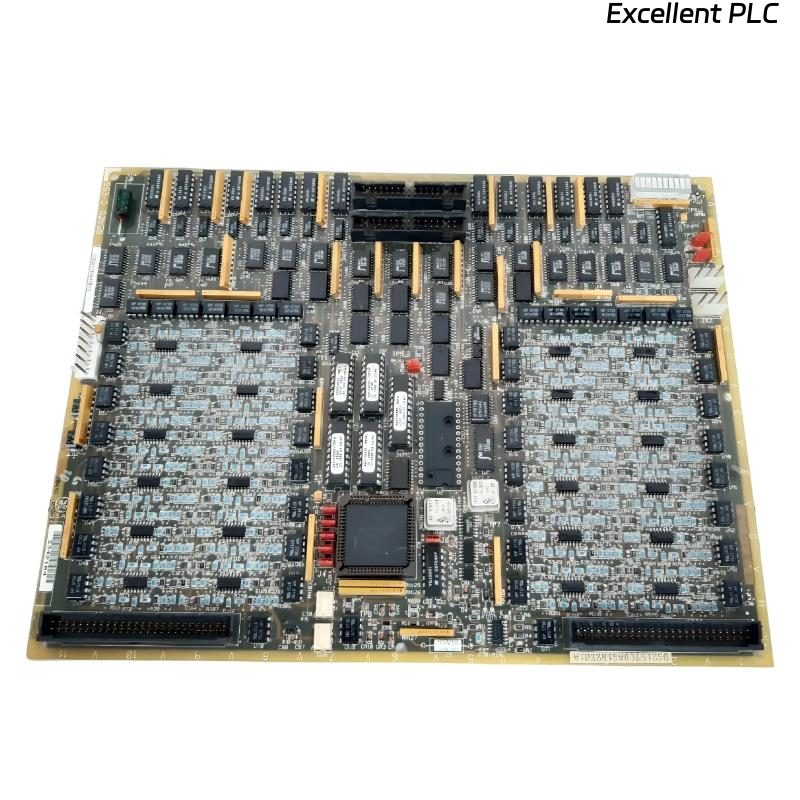
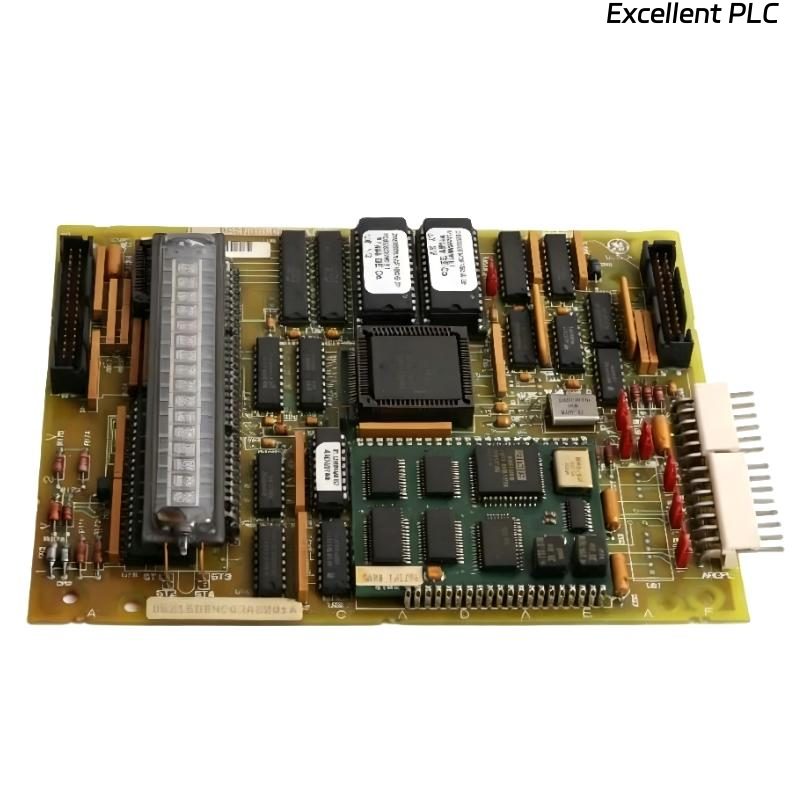
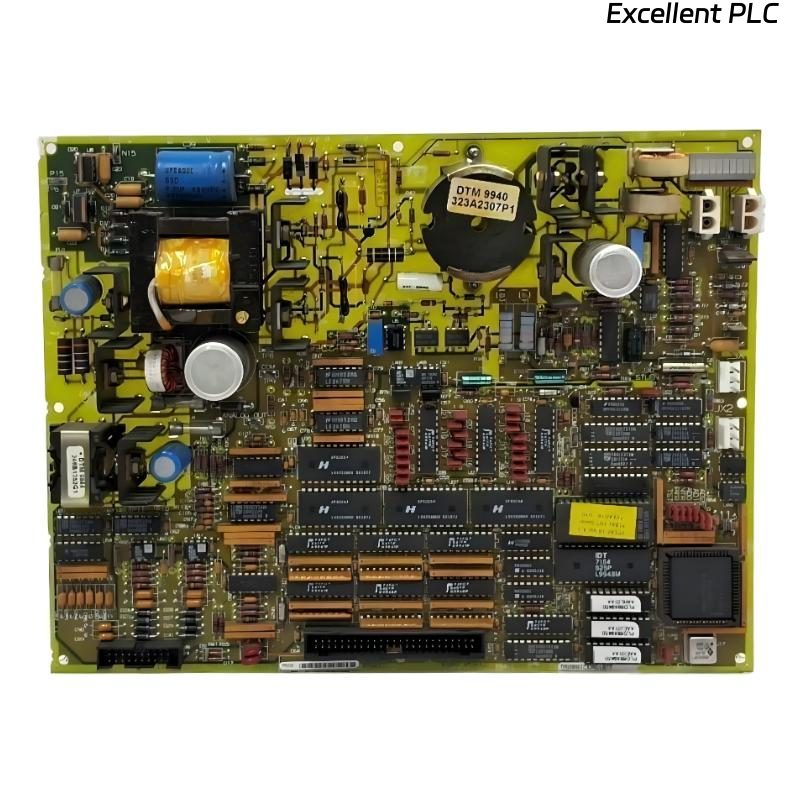
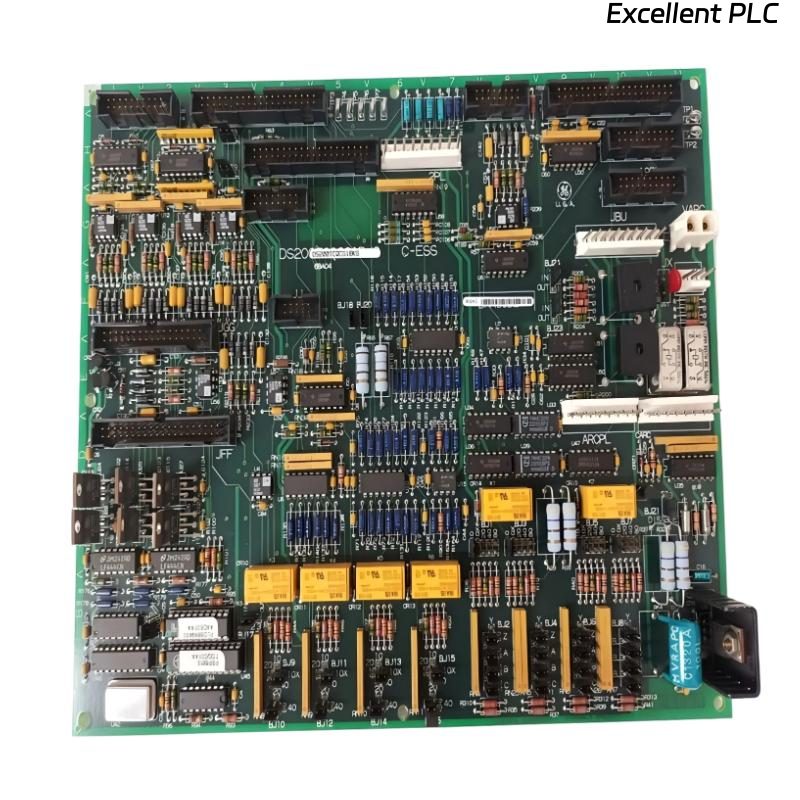
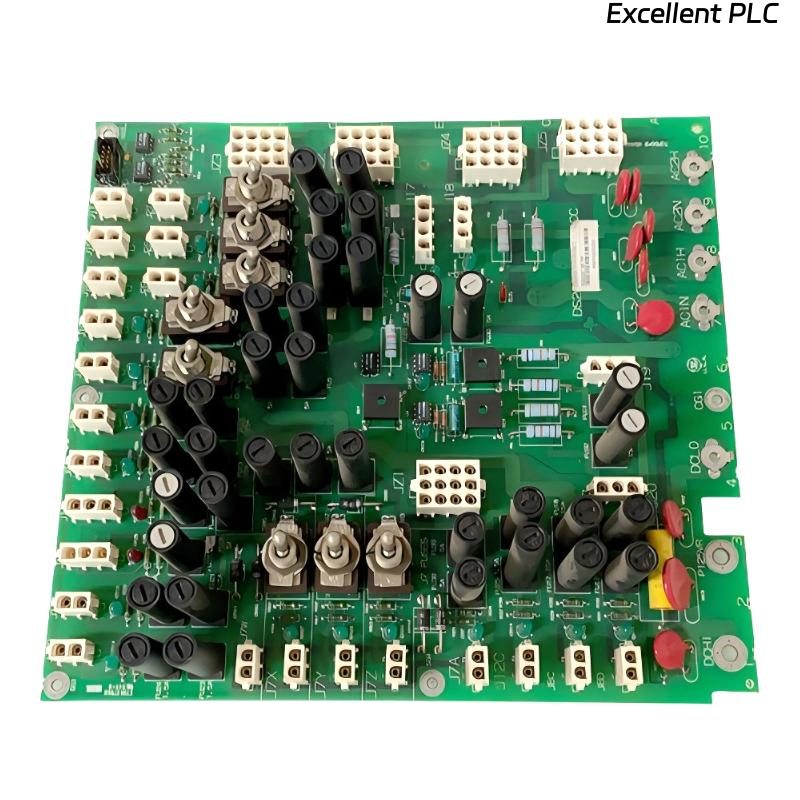
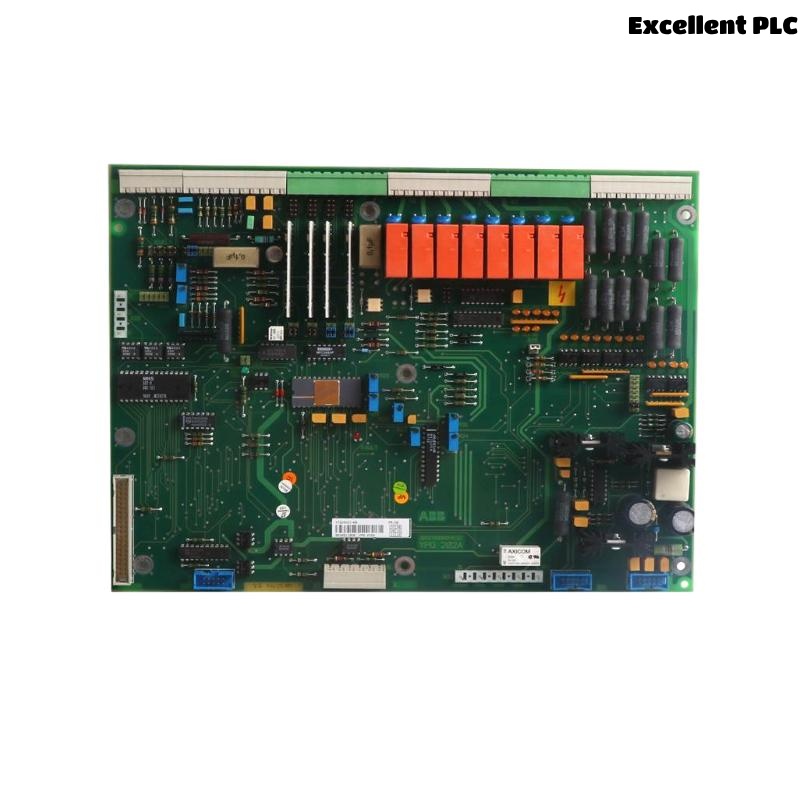
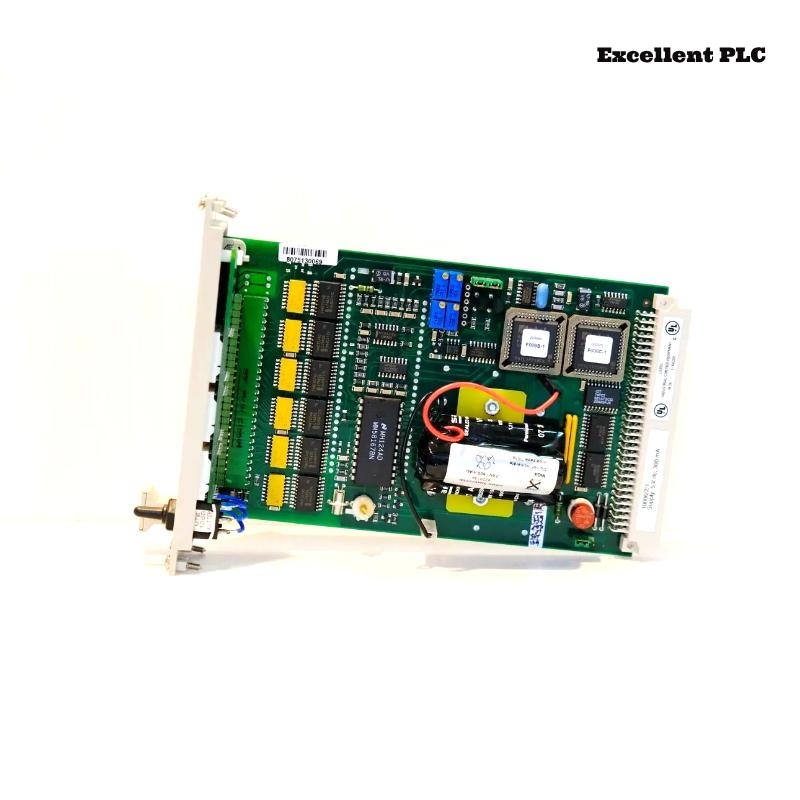
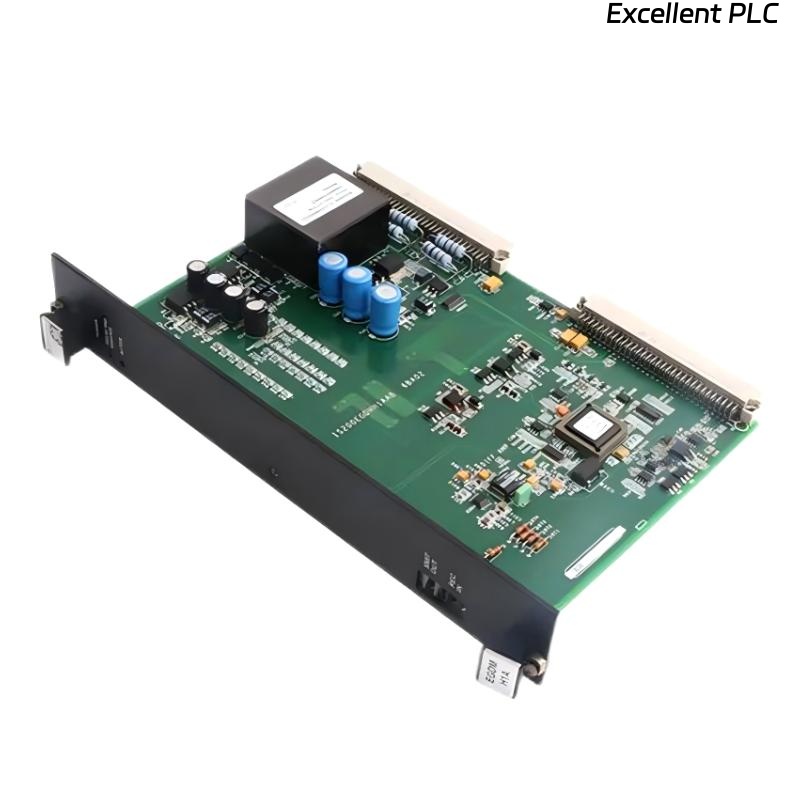
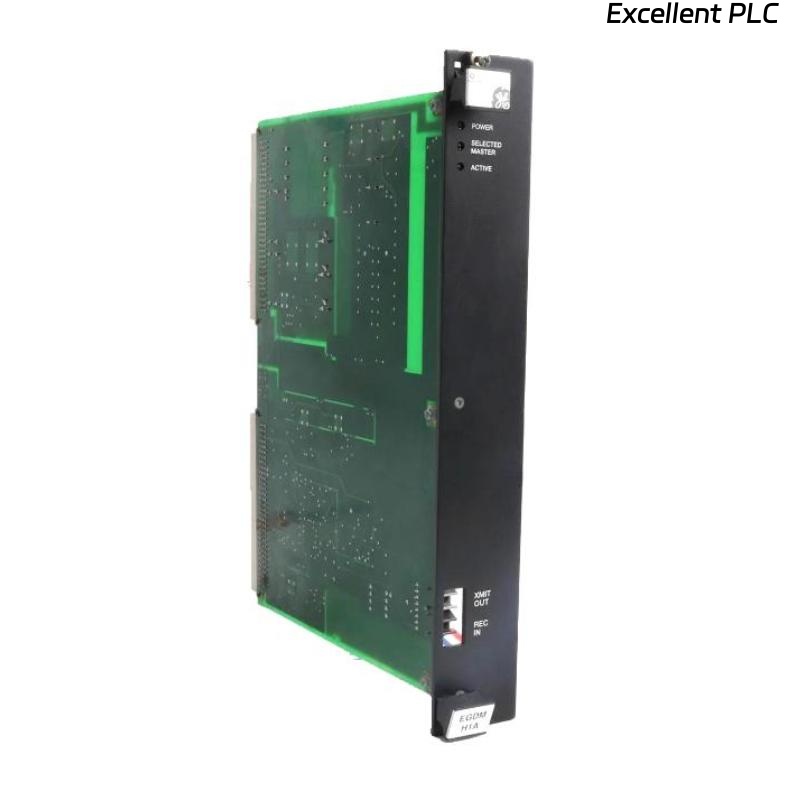
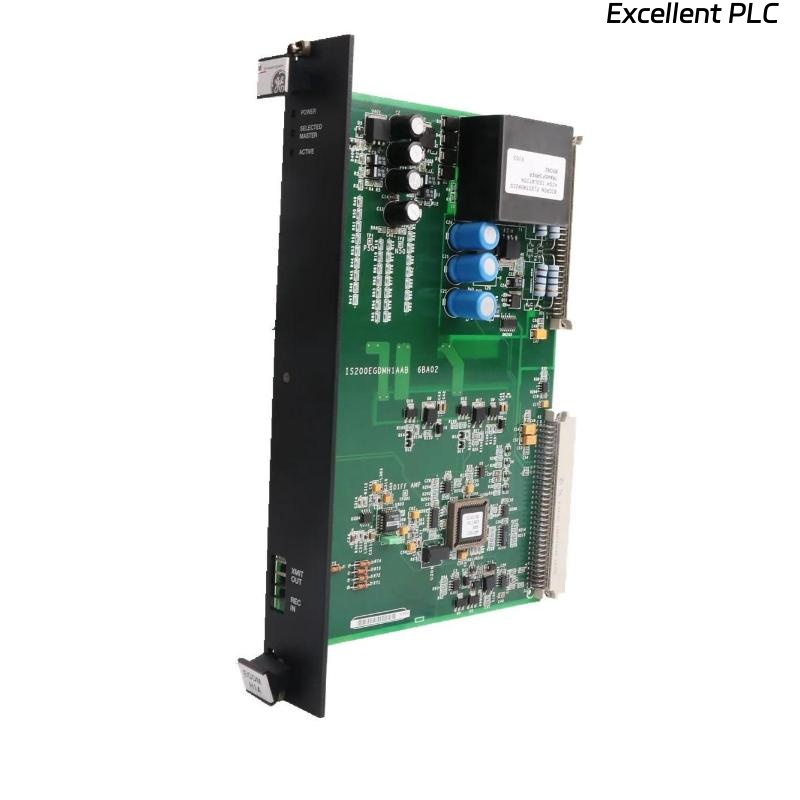
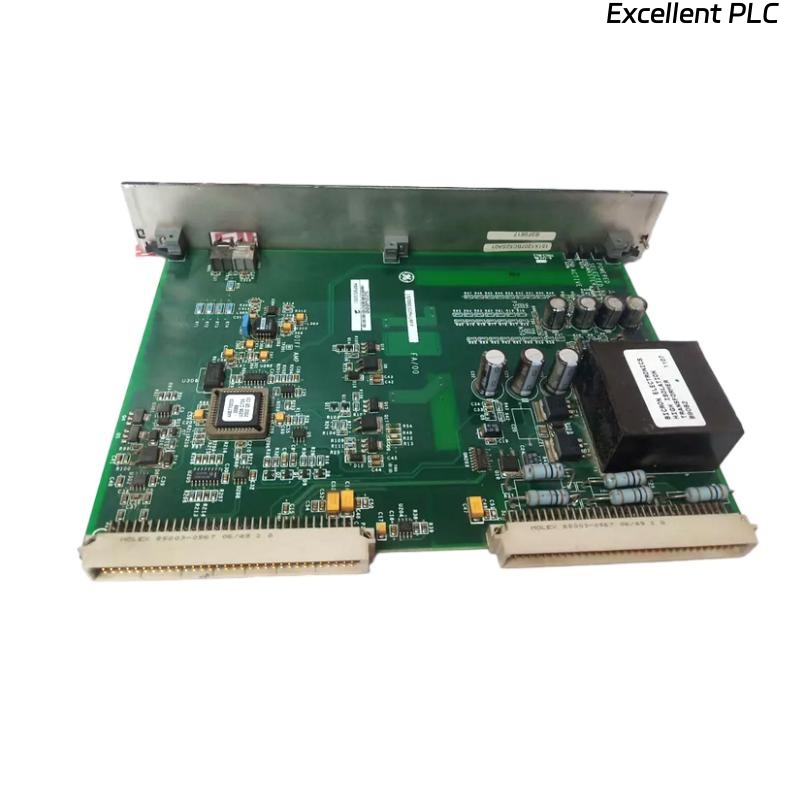
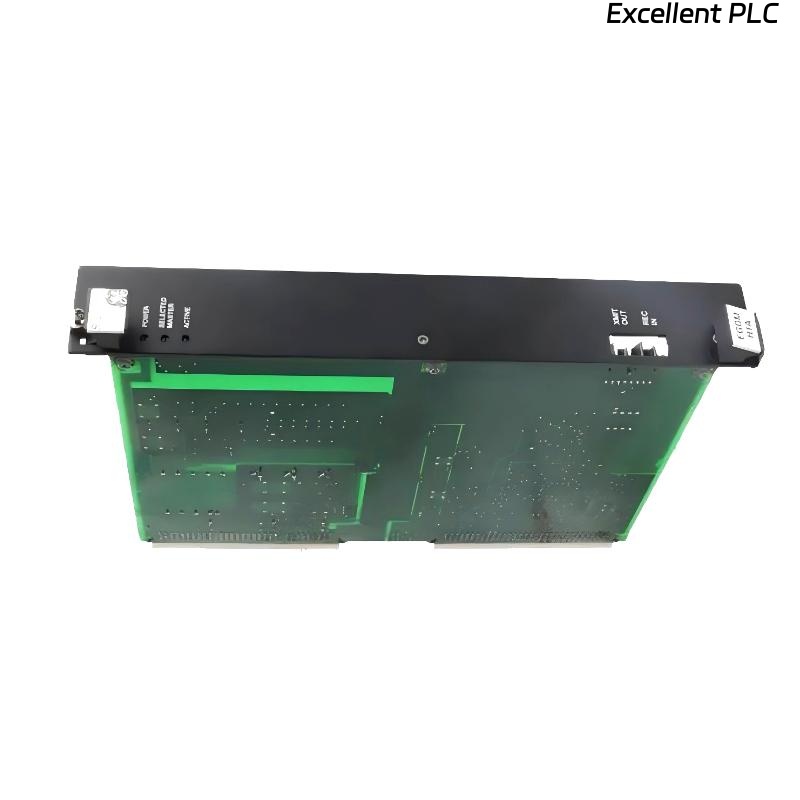
The GE IS200EGDMH1ADE is an Ethernet Global Data (EGD) communication module designed to establish deterministic, high-integrity data exchange within Mark VI and Mark VIe control environments. Rather than functioning as a general-purpose network card, the EGDM serves as a structured data interface, ensuring that control variables, status frames, and diagnostic packets move between controllers, HMIs, and distributed nodes with predictable timing.
In reliability-focused infrastructures—especially multi-controller turbine suites and large industrial drive trains—the consistency of EGD communication is essential. The IS200EGDMH1ADE strengthens this architecture by providing stable hardware timing, dedicated communication processing, and firmware-assisted data marshaling.
Technical Specification Summary
| Specification | Details |
|---|---|
| Brand | GE |
| Model | IS200EGDMH1ADE |
| Module Type | Ethernet Global Data (EGD) Communication Module |
| Network Support | Industrial Ethernet with deterministic EGD exchange |
| Communication Role | Data synchronization, controller-to-controller communication |
| System Compatibility | Mark VI / Mark VIe platforms |
| Processing Capability | Dedicated comms processor with deterministic scan timing |
| PCB Type | Industrial multilayer PCB with protective coating |
| Dimensions | 215 mm × 130 mm × 32 mm |
| Weight | 0.58 kg |
| Operating Temperature | –20°C to +65°C |
| Installation Method | Rack-mounted module, backplane interfacing |
Deployment Context
The IS200EGDMH1ADE is frequently deployed where high-speed coordination is vital—such as turbine primary controllers, redundant control architectures, or distributed I/O frameworks.
Its deterministic data transmission ensures that logic execution remains synchronized, which is crucial when multiple controllers share workload responsibilities or must react uniformly to operating conditions.
Typical deployment scenarios include:
-
Gas and steam turbine control synchronization
-
Redundant controller data sharing
-
Real-time monitoring networks
-
HMI/SCADA integration with deterministic data refresh
-
Multi-drive systems requiring synchronous messaging
Its integration helps eliminate timing drift and reduces the risk of stale or desynchronized EGD packets, an essential factor for protective and interlock logic reliability.
Reliability Advantages
From an architectural standpoint, the IS200EGDMH1ADE contributes to system reliability by isolating communication tasks from primary control processing. Dedicated comms hardware prevents network latency from affecting control loops, while its deterministic EGD timing avoids message jitter that could otherwise propagate into plant-wide automation sequences.
Additionally, the electrical design offers good resilience to cabinet-level EMI, ensuring stable communication even in electrically noisy turbine or drive environments.