Excellent PLC


System Introduction
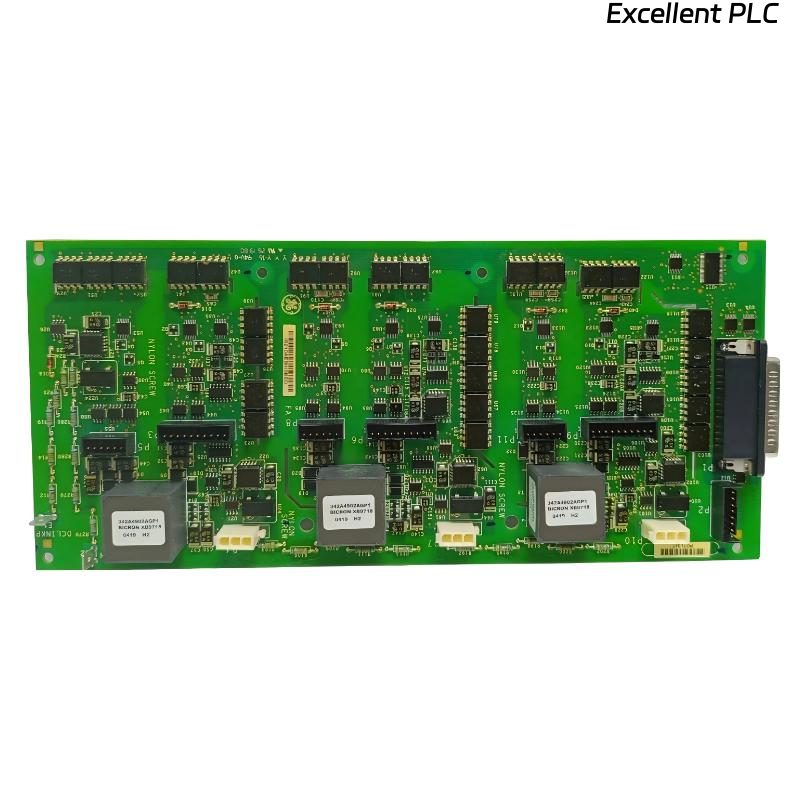
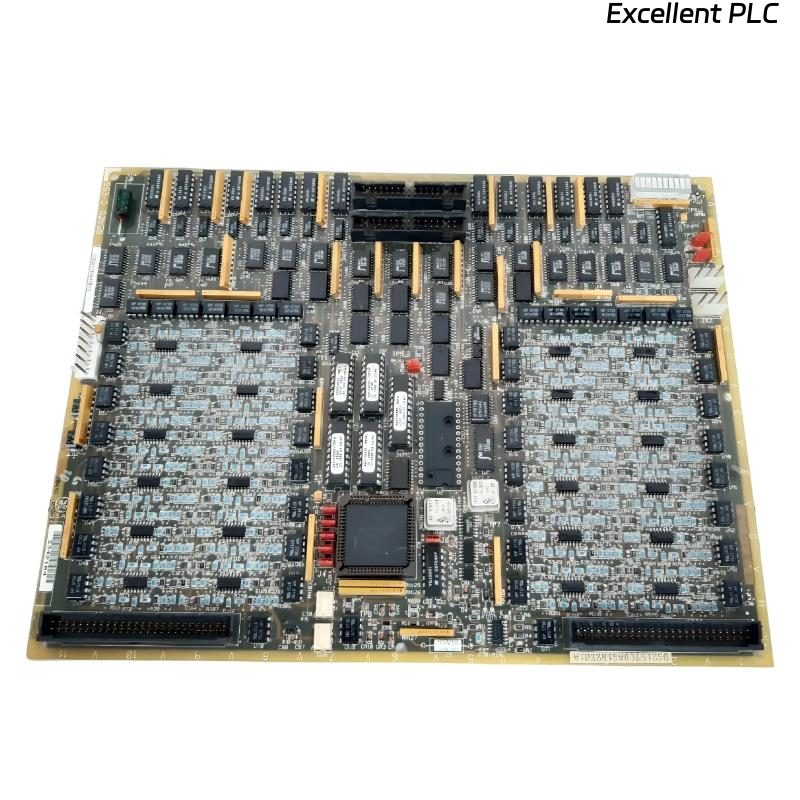
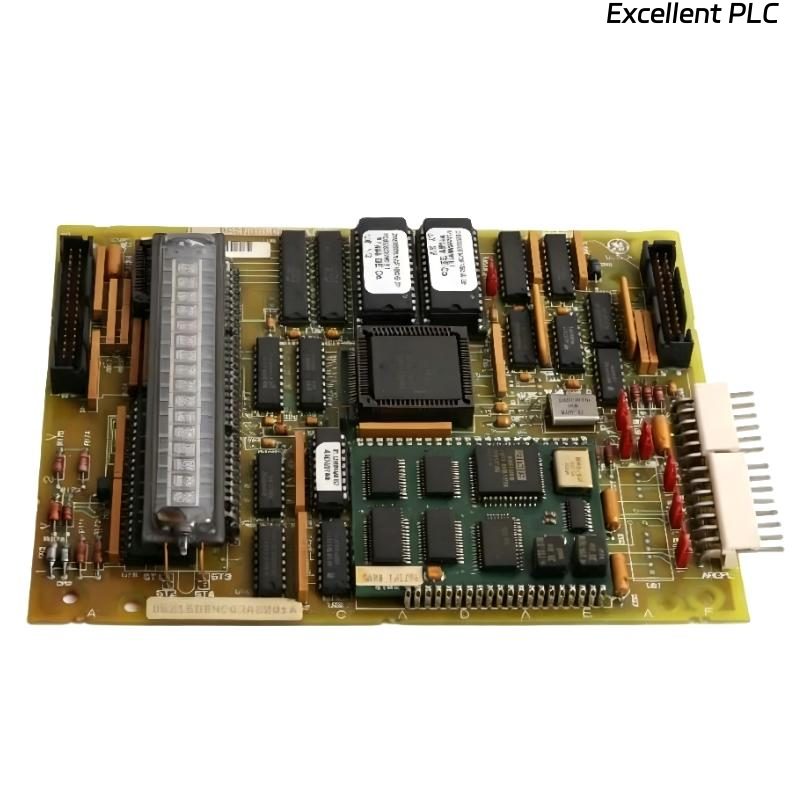
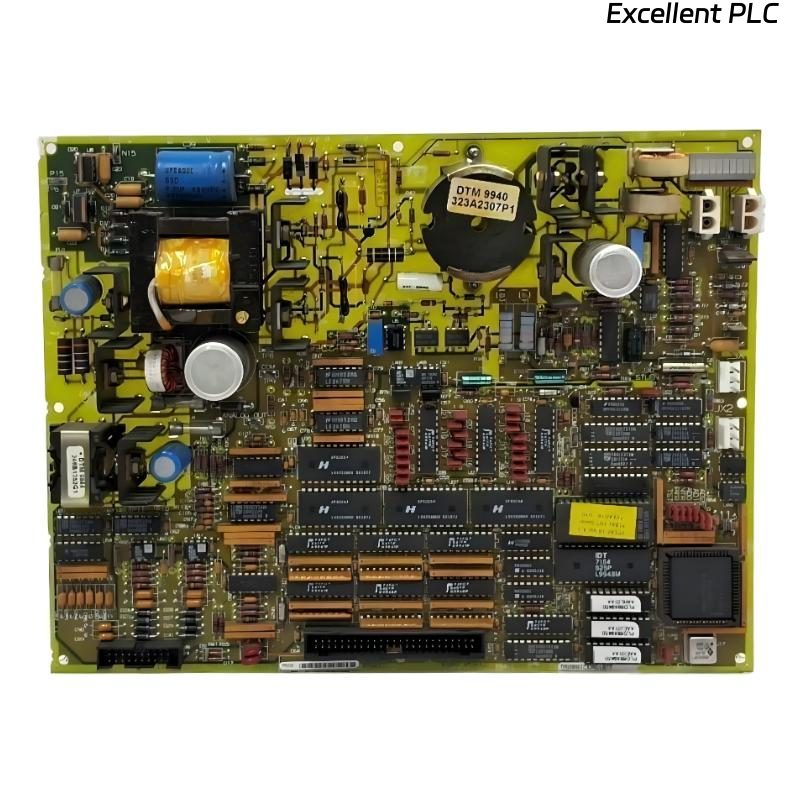
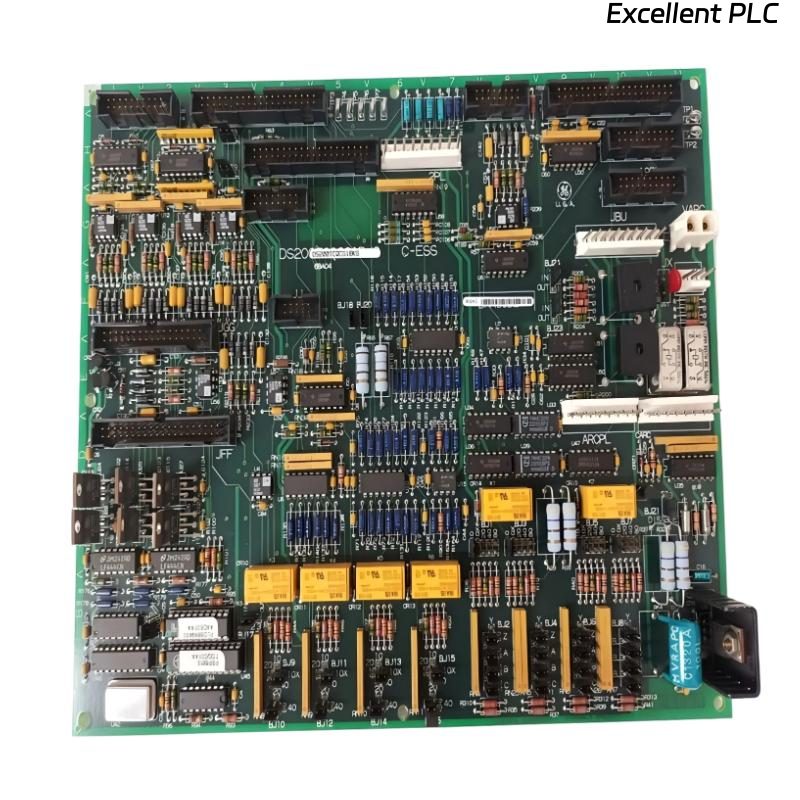
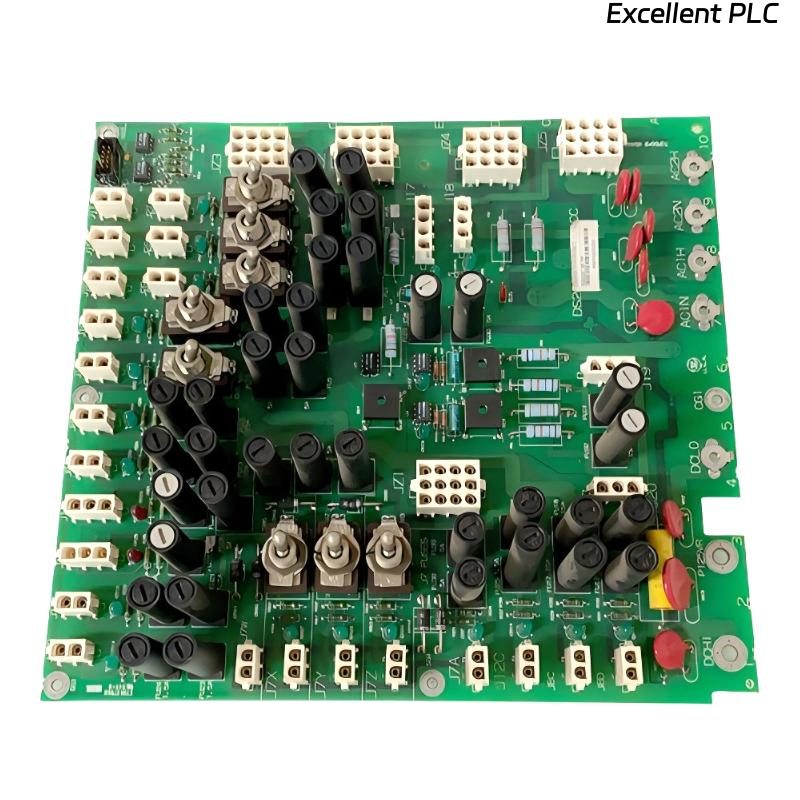
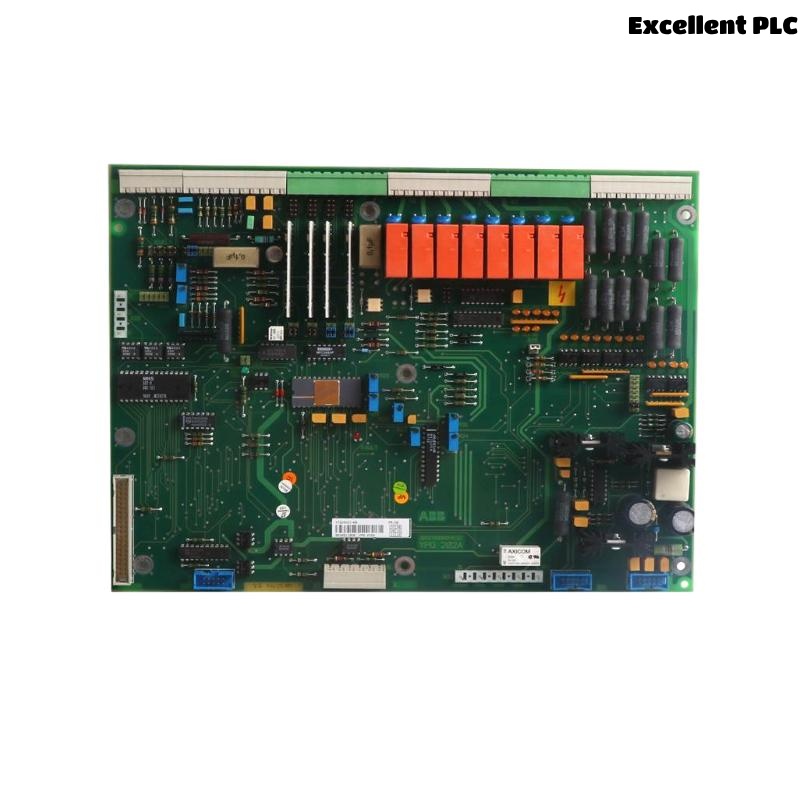
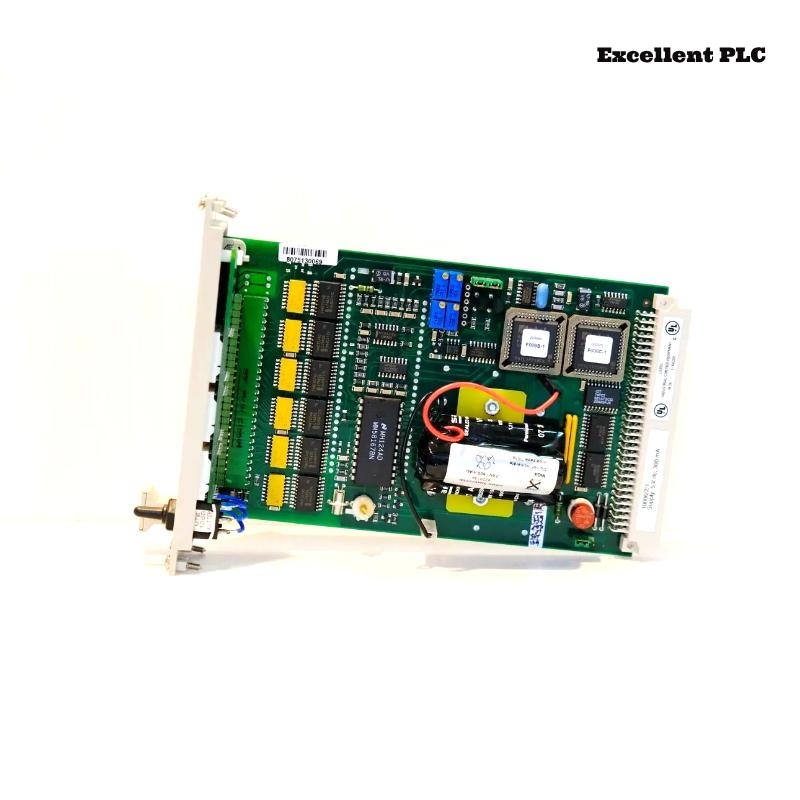
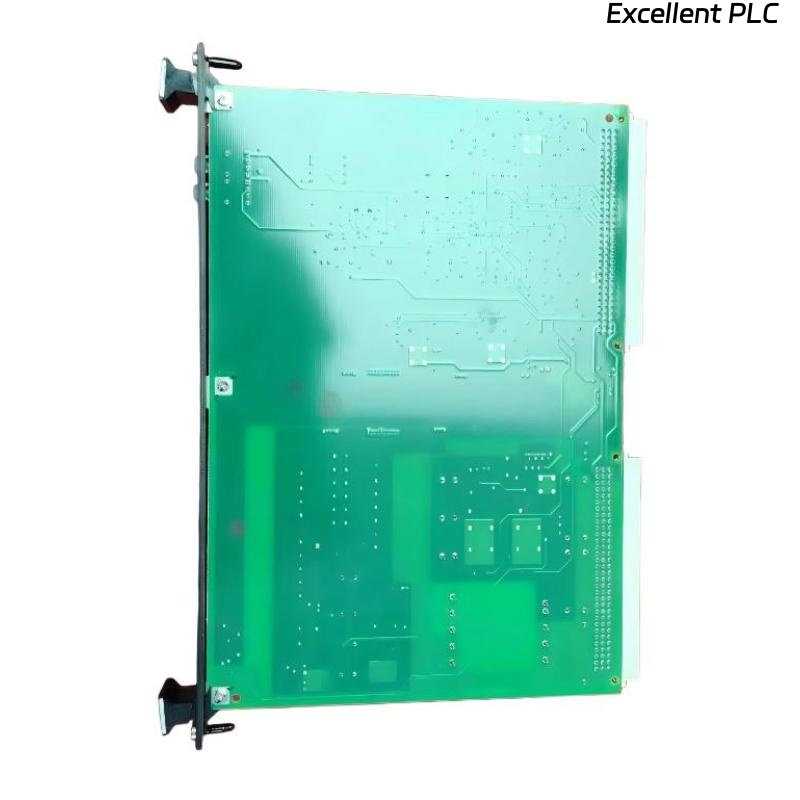
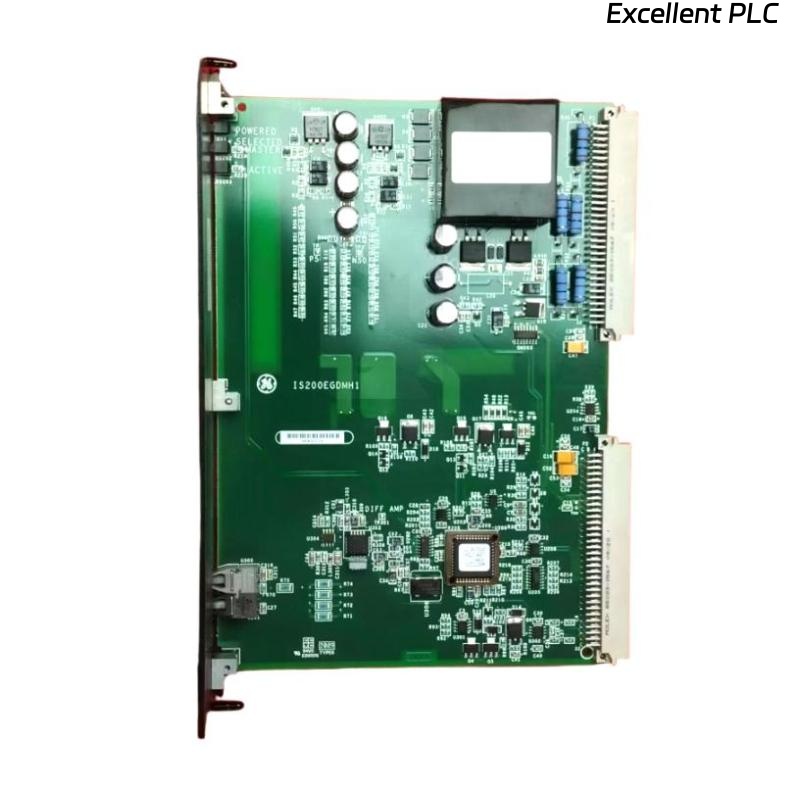
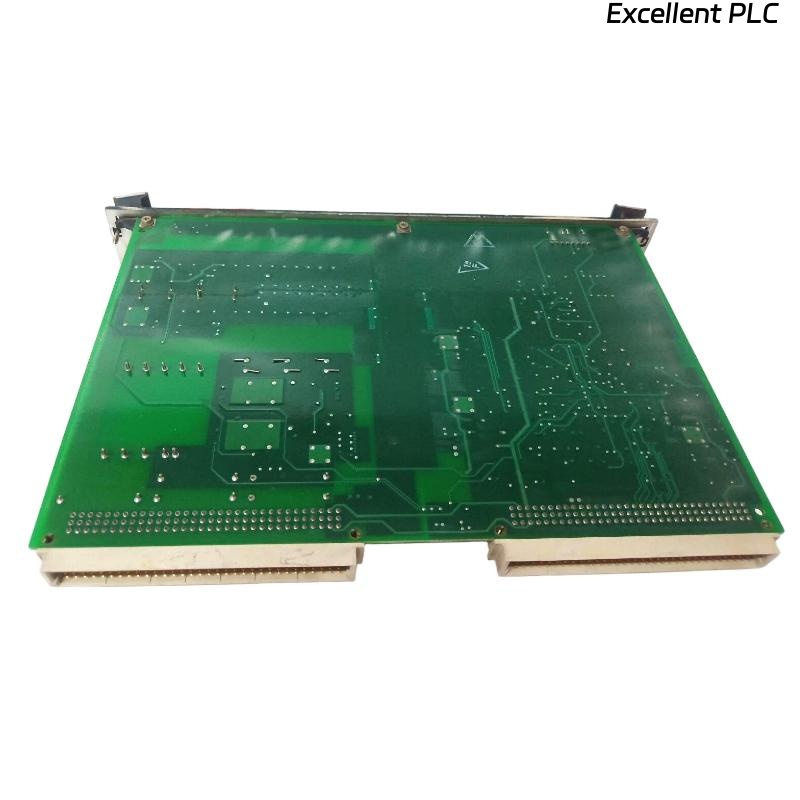
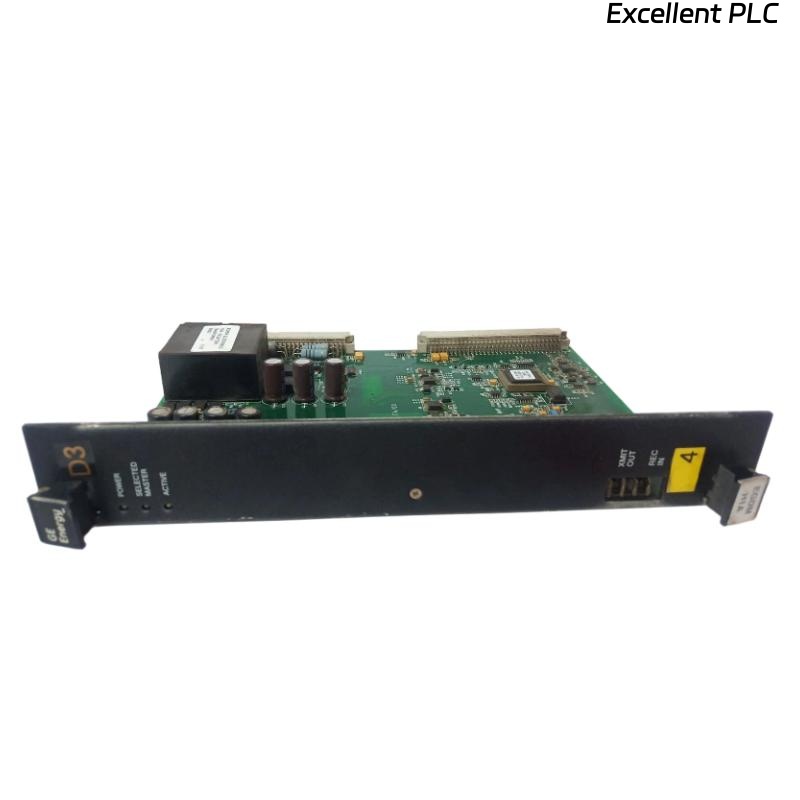
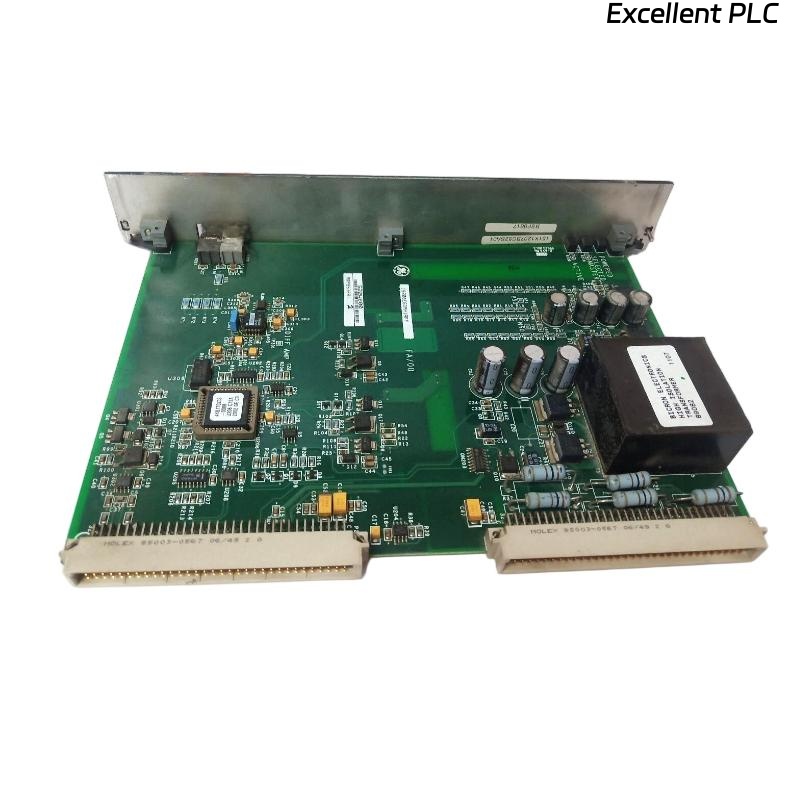
The IS200EGDMH1AFG is an advanced Ethernet Global Data (EGD) module engineered for GE Mark VI/VIe control platforms. It handles deterministic data exchange across industrial networks, ensuring synchronized controller behavior and stable real-time communication. Built for long-term reliability, the module provides a backbone for time-critical and distributed turbine or generator control applications.
Hardware & Performance Highlights
| Specification | Details |
|---|---|
| Brand | GE |
| Model | IS200EGDMH1AFG |
| Module Type | Ethernet Global Data (EGD) Communications Module |
| System Compatibility | Mark VI / Mark VIe |
| Network Protocol | EGD real-time data broadcast |
| Interfaces | Industrial Ethernet + High-speed backplane |
| PCB Structure | Multilayer board with EMC shielding |
| Dimensions | 215 mm × 130 mm × 32 mm |
| Weight | 0.58 kg |
| Operating Temperature | –20°C to +65°C |
| Cooling | Forced or cabinet passive airflow |
| Mounting | Standard rack-mount module insertion |
Application Scenarios
This module is typically installed in turbine control cabinets where deterministic data refresh is essential. It supports:
-
High-speed controller coordination
-
Generator protection and excitation subsystems
-
Distributed I/O stations needing synchronized data frames
-
Large-scale networked control architectures in power generation
-
Redundant control processors requiring continuous broadcast updates
Due to its deterministic refresh cycle, the IS200EGDMH1AFG is frequently selected for networks where timing accuracy and reliability directly influence equipment safety.
Operational Benefits
The IS200EGDMH1AFG improves communication stability by offloading data handling from the main controller CPU and maintaining strict broadcast intervals. Its reinforced interference protection reduces data corruption, while the optimized hardware revision improves uptime in electrically noisy environments.
The result is a communication link that supports predictable control responses—critical in turbine start-up logic, load control, synchronization, and event coordination.