 Excellent PLC


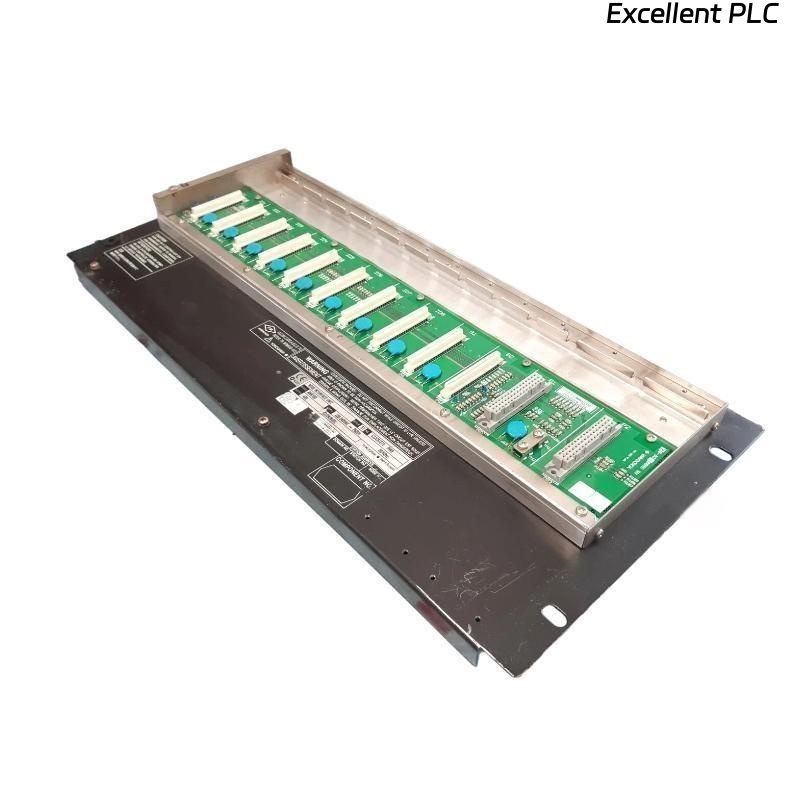
The Yokogawa AFG84D Duplexed Field Control Station Migration Kit is designed to simplify the migration of legacy CENTUM-XL control systems to the CENTUM VP platform while preserving compatible Field I/O infrastructure. The kit incorporates duplexed Field Control Units (FCUs), redundant V net communications, and dual ESB bus architecture to provide high system availability during and after migration. Although the migration process is designed to minimize plant disruption, issues such as configuration mismatches, communication failures, synchronization errors, or hardware faults may occur. A structured troubleshooting methodology helps engineers quickly identify problems, restore redundancy, and complete the migration safely.
Contents
- 1. Understanding AFG84D Migration Faults
- 2. Common Migration Failure Symptoms
- 3. Typical Causes of Migration Problems
- 4. Initial Hardware Inspection
- 5. Power System Verification
- 6. Migration Configuration Diagnostics
- 7. Redundancy and Synchronization Verification
- 8. V net and ESB Communication Diagnostics
- 9. Field I/O Communication Verification
- 10. Controller Diagnostic Analysis
- 11. Recommended Troubleshooting Workflow
- 12. Corrective Actions
- 13. Functional Recovery Verification
- 14. Preventive Maintenance
- 15. Real Industrial Migration Case
- 16. Frequently Asked Questions
Understanding AFG84D Migration Faults
The AFG84D migration platform replaces legacy controllers while maintaining communication with existing compatible Field I/O equipment. During migration, the controller pair must establish synchronization, verify communication paths, load the CENTUM VP configuration, and reconnect to all field devices.
Most migration-related faults are associated with communication wiring, controller synchronization, configuration conversion, ESB bus connectivity, V net communication, or legacy hardware compatibility.
Common Migration Failure Symptoms
- Migration startup failure
- Standby controller unavailable
- Synchronization timeout
- Configuration download failure
- Loss of V net communication
- ESB bus communication alarm
- Field I/O unavailable
- Automatic failover unavailable
Typical Causes of Migration Problems
- Incorrect migration configuration
- Communication cable connection errors
- ESB bus wiring faults
- Processor synchronization failures
- Firmware incompatibility
- Power supply instability
- Legacy hardware compatibility issues
- Network addressing conflicts
Initial Hardware Inspection
- Verify processor module installation
- Inspect communication cables
- Check ESB bus connections
- Inspect power indicators
- Verify cabinet grounding
Power System Verification
Reliable power is essential throughout the migration process and for maintaining controller redundancy.
- Verify controller input voltage
- Inspect redundant power supplies
- Check protective devices
- Review power-related alarms
- Verify grounding continuity
Migration Configuration Diagnostics
- Verify converted engineering database
- Confirm controller assignment
- Validate I/O database mapping
- Review migration logs
- Check software version compatibility
Redundancy and Synchronization Verification
- Verify active processor status
- Confirm standby processor availability
- Review synchronization diagnostics
- Verify failover readiness
- Monitor synchronization progress
V net and ESB Communication Diagnostics
- Inspect V net communication interfaces
- Verify ESB bus cable integrity
- Review communication statistics
- Check network addressing
- Analyze communication error counters
Field I/O Communication Verification
- Verify Field I/O node availability
- Inspect interface modules
- Review I/O diagnostics
- Check communication logs
- Confirm stable data exchange
Controller Diagnostic Analysis
| Observed Condition | Possible Diagnosis |
|---|---|
| Migration startup failure | Configuration or power problem |
| Synchronization timeout | Communication or firmware mismatch |
| ESB communication alarm | ESB cable or interface fault |
| Field I/O unavailable | I/O mapping or communication failure |
| Failover unavailable | Standby processor synchronization failure |
Controller diagnostic information should always be reviewed before replacing hardware components.
Recommended Troubleshooting Workflow
VERIFY POWER SUPPLIES
CHECK CONTROLLER STATUS
VERIFY MIGRATION CONFIGURATION
CHECK SYNCHRONIZATION
VERIFY V NET COMMUNICATION
VERIFY ESB BUS
VERIFY FIELD I/O
REVIEW DIAGNOSTIC LOGS
IMPLEMENT CORRECTIVE ACTION
VERIFY SYSTEM RECOVERY
Following a structured workflow minimizes migration delays and helps avoid unnecessary hardware replacement.
Corrective Actions
- Correct migration database configuration
- Replace damaged communication cables
- Reconnect ESB bus interfaces
- Restore processor synchronization
- Correct network addressing conflicts
- Update firmware where required
- Replace faulty hardware only after complete diagnosis
Functional Recovery Verification
- Verify controller startup
- Confirm standby synchronization
- Test automatic processor switchover
- Verify stable Field I/O communication
- Monitor controller diagnostics during operation
Preventive Maintenance
- Maintain complete engineering backups
- Review migration documentation
- Inspect communication wiring regularly
- Verify redundancy periodically
- Monitor controller diagnostic history
Real Industrial Migration Case
During the modernization of a refinery control system, an AFG84D migration kit was installed to replace a legacy CENTUM-XL controller while retaining the original Field I/O cabinets.
After commissioning, several I/O stations remained offline. Controller diagnostics showed repeated ESB communication alarms. Engineers traced the issue to an incorrectly terminated ESB cable installed during the migration.
After correcting the cable connection:
- All Field I/O stations reconnected successfully.
- Processor synchronization completed normally.
- Automatic failover testing passed.
- The upgraded CENTUM VP system entered stable production.
This case highlights the importance of verifying communication infrastructure and migration wiring before suspecting controller hardware faults.
Frequently Asked Questions
Why does synchronization fail after migration?
Common causes include communication wiring errors, firmware incompatibility, incorrect migration configuration, or synchronization link failures between controller modules.
Can existing Field I/O remain connected during migration?
Yes. The AFG84D migration kit is specifically designed to support compatible legacy Field I/O equipment, reducing rewiring requirements and minimizing plant downtime.
When should hardware replacement be considered?
Controller hardware should only be replaced after configuration, communication, synchronization, firmware, power supply, and compatibility issues have been thoroughly investigated and eliminated.
Summary
Effective troubleshooting of the Yokogawa AFG84D Duplexed Field Control Station Migration Kit requires systematic verification of migration configuration, controller synchronization, V net communication, ESB bus connectivity, Field I/O operation, and diagnostic information. Following a structured troubleshooting methodology helps ensure successful system migration, restore redundancy, minimize downtime, and avoid unnecessary hardware replacement.