 Excellent PLC


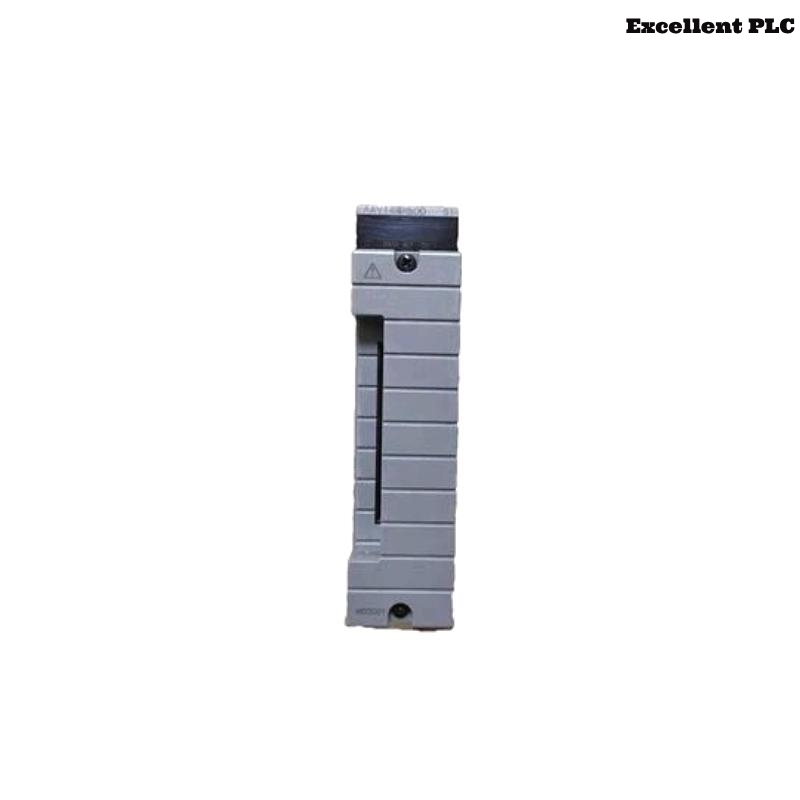
The Yokogawa ANS20 Node Interface Unit (NIU) is a cabinet-mounted communication interface used in Yokogawa CENTUM CS 3000 and earlier CENTUM Distributed Control Systems (DCS). It connects the Field Control Unit (FCU) to remote analog and digital I/O module nests through a single Remote I/O (RIO) Bus. The ANS20 distributes operating power, manages backplane communication, and transfers process data between the controller and installed I/O modules. Because it uses a single communication path without redundant RIO Bus capability, failures affecting the ANS20 or its communication link can interrupt the operation of the entire remote I/O cabinet.
Contents
- 1. Understanding Node Interface Faults
- 2. Common Failure Symptoms
- 3. Typical Causes
- 4. Initial Hardware Inspection
- 5. Power Supply Verification
- 6. Single RIO Bus Communication Inspection
- 7. I/O Module Verification
- 8. Diagnostic Analysis
- 9. Recommended Troubleshooting Workflow
- 10. Corrective Actions
- 11. Functional Recovery Verification
- 12. Preventive Maintenance
- 13. Industrial Maintenance Case
- 14. Frequently Asked Questions
Understanding Node Interface Faults
The ANS20 functions as the communication gateway between the FCU and cabinet-mounted remote I/O modules. Communication problems may originate from the RIO Bus cable, communication connectors, power supply modules, backplane connections, I/O modules, or controller configuration. Since the ANS20 operates on a single RIO Bus, any failure of the communication channel may cause the entire node to become unavailable until the fault is corrected.
Common Failure Symptoms
- The controller cannot detect the ANS20 node.
- Remote analog and digital signals disappear.
- RIO Bus communication alarms appear.
- All installed I/O modules become unavailable.
- Node status LEDs indicate abnormal operation.
- Field devices report communication loss.
- DCS diagnostic messages indicate node offline status.
- Intermittent communication failures occur during operation.
Typical Causes
- Loose RIO Bus communication connector.
- Damaged communication cable.
- Power supply module failure.
- Improper installation of I/O modules.
- Incorrect node address configuration.
- Backplane connector contamination.
- Poor cabinet grounding.
- Controller configuration mismatch.
- Internal ANS20 hardware failure.
Initial Hardware Inspection
- Verify cabinet installation security.
- Inspect RIO Bus communication connectors.
- Check power supply indicators.
- Inspect module locking mechanisms.
- Verify cabinet ventilation.
- Confirm protective grounding.
Power Supply Verification
- Verify input power voltage.
- Inspect power wiring.
- Check power module status indicators.
- Measure output voltages if required.
- Review controller diagnostic logs.
- Verify stable power during operation.
Single RIO Bus Communication Inspection
- Inspect the RIO Bus communication cable.
- Verify connector locking mechanisms.
- Check cable continuity.
- Inspect cable shielding.
- Verify cable routing.
- Review communication diagnostics.
I/O Module Verification
- Reseat installed analog and digital I/O modules.
- Inspect module connectors.
- Verify slot assignments.
- Check module diagnostic LEDs.
- Confirm controller database configuration.
- Test suspected modules in another compatible cabinet if available.
Diagnostic Analysis
| Observed Condition | Possible Diagnosis |
|---|---|
| Entire node offline | Power supply failure or complete RIO Bus communication loss |
| All I/O modules unavailable | ANS20 communication or backplane fault |
| Intermittent communication alarms | Loose connector or damaged RIO cable |
| Specific module unavailable | I/O module or slot connection failure |
| Controller cannot recognize node | Incorrect node address or communication failure |
Recommended Troubleshooting Workflow
CHECK DCS DIAGNOSTICS
VERIFY POWER SUPPLY
CHECK RIO BUS CONNECTION
VERIFY NODE ADDRESS
INSPECT I/O MODULES
CHECK BACKPLANE CONNECTIONS
TEST FIELD COMMUNICATION
CONFIRM SYSTEM RECOVERY
Corrective Actions
- Reconnect loose RIO Bus connectors.
- Replace damaged communication cables.
- Clean backplane and module connectors.
- Correct node address configuration.
- Replace defective power supply modules.
- Repair grounding deficiencies.
- Replace failed I/O modules.
- Replace the ANS20 Node Interface Unit if internal hardware failure is confirmed.
Functional Recovery Verification
- Verify the controller recognizes the ANS20.
- Confirm all installed I/O modules communicate correctly.
- Verify field signal transmission.
- Confirm communication alarms are cleared.
- Review controller diagnostics.
- Monitor long-term communication stability.
Preventive Maintenance
- Inspect communication connectors regularly.
- Verify module seating.
- Inspect cabinet grounding.
- Review communication diagnostics.
- Maintain cabinet cleanliness.
- Perform scheduled communication testing.
Industrial Maintenance Case
At a water treatment facility, operators reported that an entire remote I/O cabinet suddenly disappeared from the Yokogawa CENTUM system. Inspection of the ANS20 revealed no power alarms, but communication diagnostics indicated a complete RIO Bus failure.
Maintenance personnel found that the communication cable connector had loosened during routine cabinet maintenance. After reconnecting the cable, cleaning the connector contacts, verifying the node address, and restarting communication:
- The controller immediately recognized the ANS20.
- All installed analog and digital I/O modules returned to service.
- Field measurements resumed normal operation.
- No additional communication alarms occurred during extended monitoring.
Frequently Asked Questions
Does the ANS20 support redundant RIO Bus communication?
No. The ANS20 operates with a single RIO Bus communication channel. Systems requiring communication redundancy typically use the AND20 or later redundant node interface units.
Does the ANS20 process field signals?
No. Signal acquisition and output processing are performed by the installed analog and digital I/O modules. The ANS20 provides communication, backplane connectivity, and power distribution.
What should be checked before replacing the ANS20?
Verify power supply operation, RIO Bus communication cable integrity, communication connectors, node address configuration, installed I/O modules, controller diagnostics, grounding, and backplane connections before determining that the ANS20 hardware itself has failed.
Summary
Effective troubleshooting of the Yokogawa ANS20 Node Interface Unit requires systematic inspection of power supplies, the single RIO Bus communication path, installed I/O modules, cabinet grounding, controller configuration, and DCS diagnostics. Regular preventive maintenance, connector inspection, and communication testing help ensure reliable operation of legacy Yokogawa CENTUM remote I/O systems.