Excellent PLC


| Company Information | ||||||||
| [email protected] | ||||||||
| Mobile | +8613666033393 | |||||||
| +8613666033393 | ||||||||
| 13666033393 | ||||||||
| Add | Room 1004, No. 62 Xiangxiu Li, Siming District, Xiamen City, Fujian Province, China | |||||||
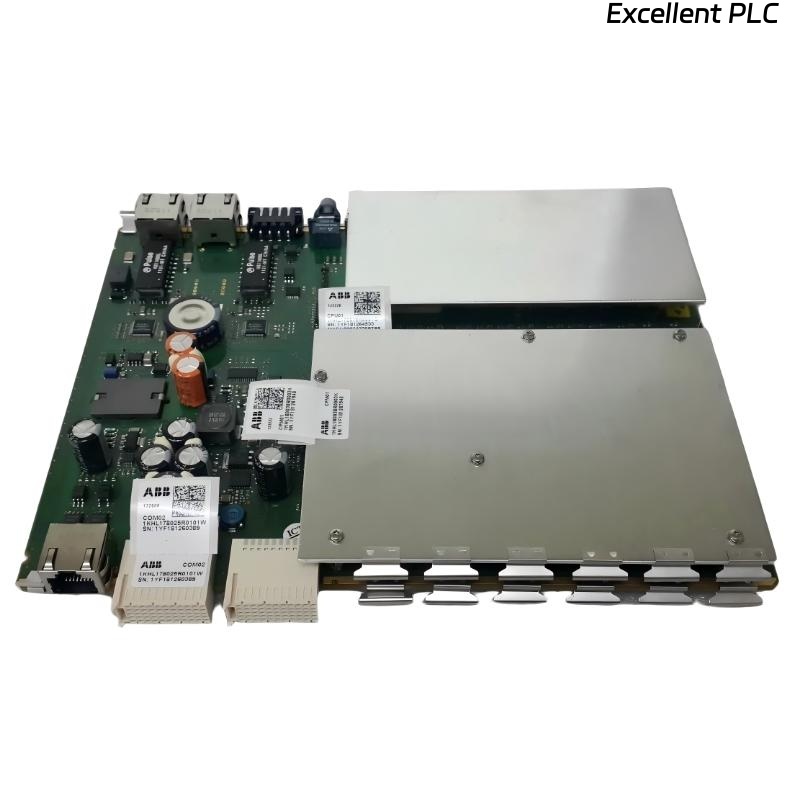
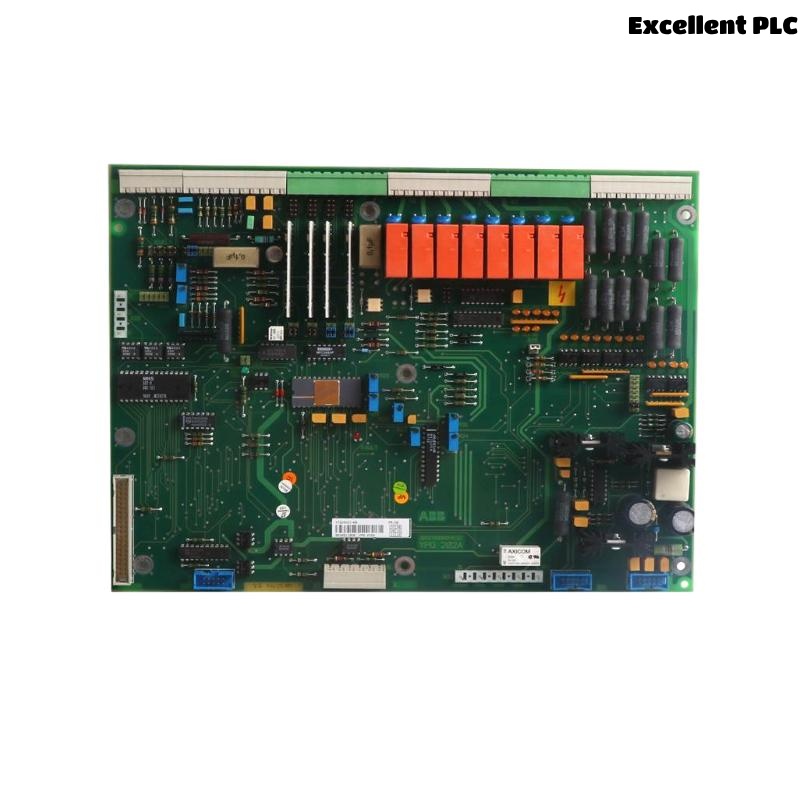
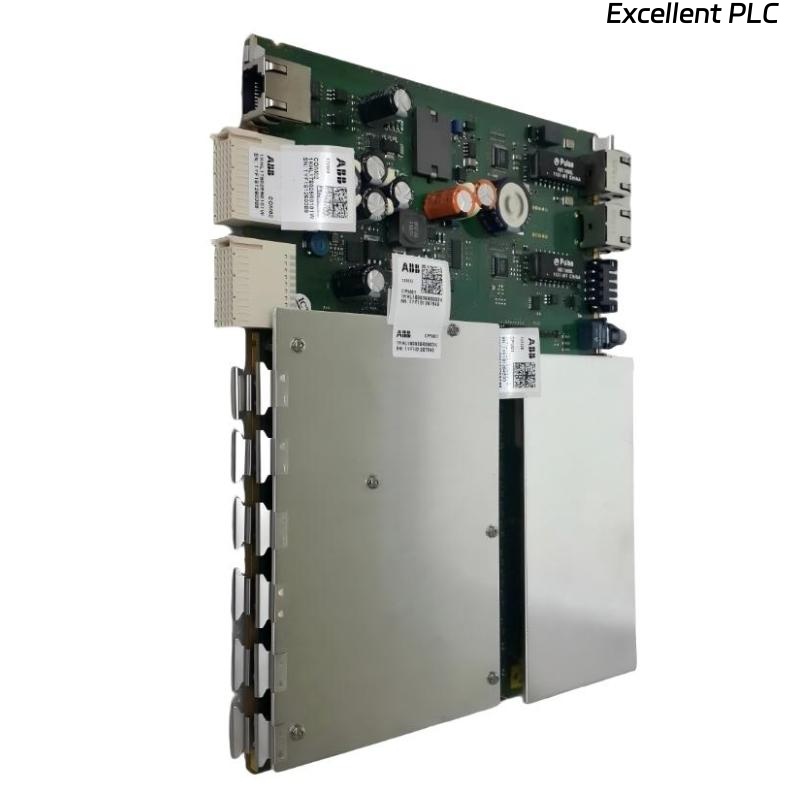
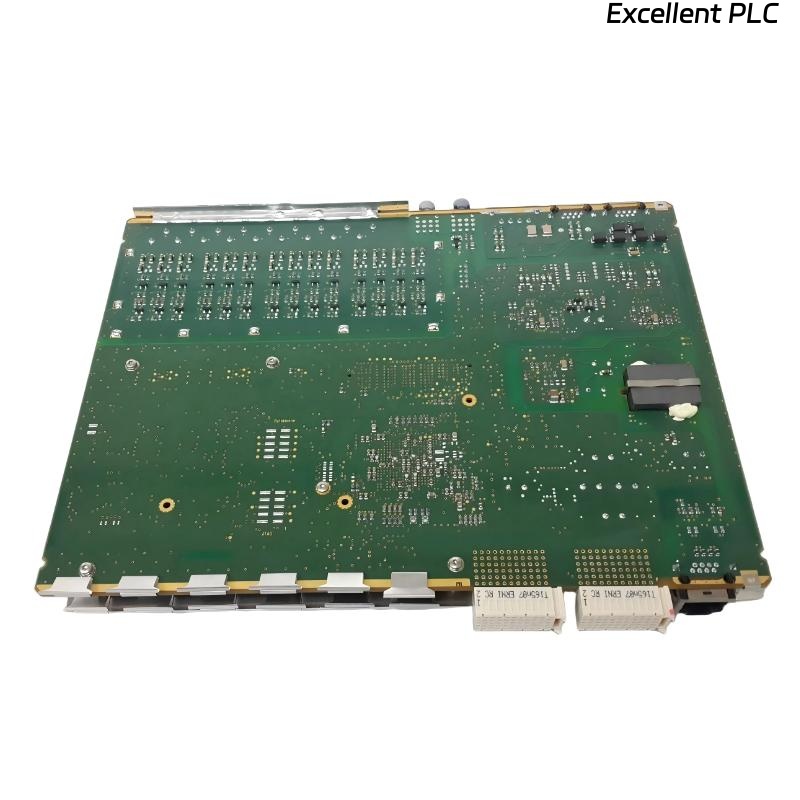
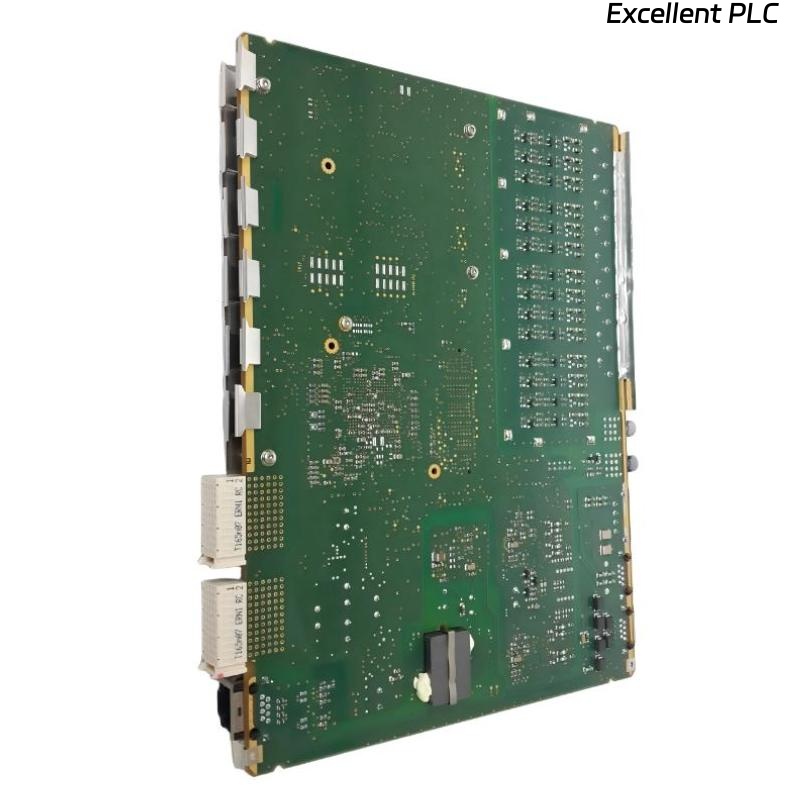
ABB COM02 1KHL178025R0101Z Control Board
- Product Details
- FAQs
- Related
- Contact Us
- Packing & Delivery
- Product Ratings
Product Introduction
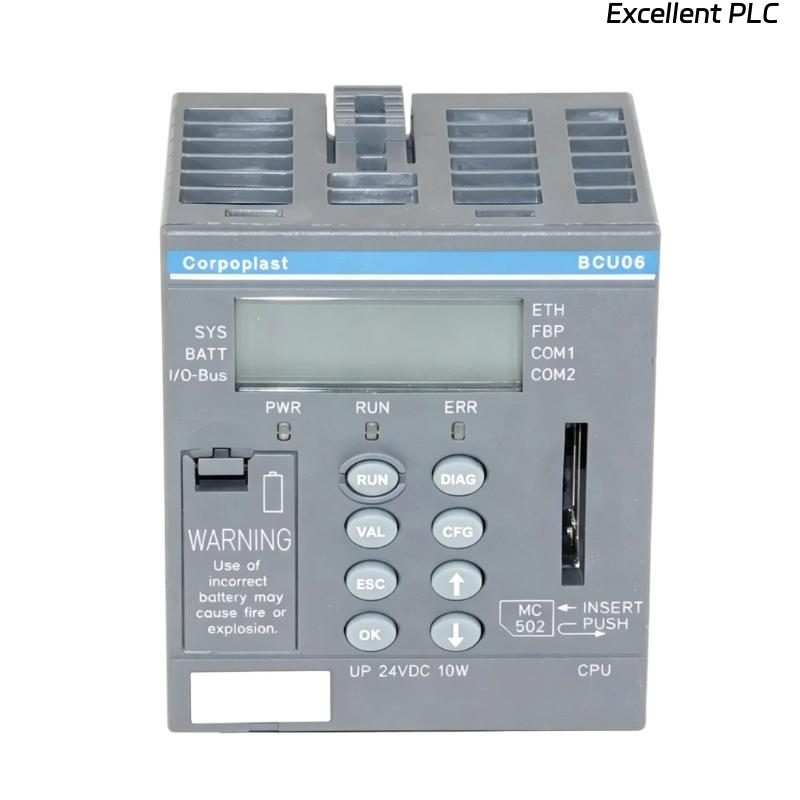
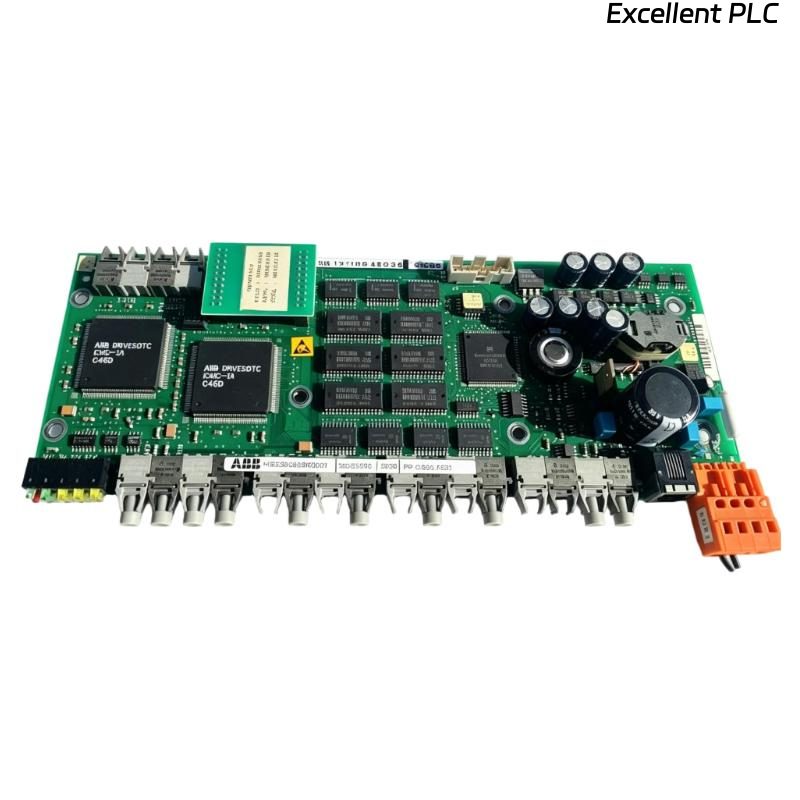
The ABB COM02 1KHL178025R0101Z Control Board is a communication-oriented module used in ABB industrial automation systems to support internal system coordination. It is designed to manage data exchange between different control elements, ensuring that system components operate in a synchronized and structured manner.
This module is typically installed inside control cabinets or rack-mounted automation assemblies. It does not function as a standalone controller, but instead plays a supporting role within a larger ABB control architecture. Its main purpose is to maintain stable internal communication pathways between connected system modules during continuous operation.
In practical applications, the COM02 module is commonly used in automation setups where multiple controllers and interface units must work together under a unified system structure.
Product Specifications
| Parameter | Description |
|---|---|
| Product Model | COM02 1KHL178025R0101Z |
| Series | ABB Control Board Series |
| Module Type | Communication / Interface Module |
| Function Role | Internal system communication support |
| System Position | Control architecture communication layer |
| Application Scope | ABB industrial automation systems |
| Installation Type | Control cabinet / rack mounted |
| Operating Mode | Continuous industrial operation |
| Integration Role | Module communication coordination |
| System Function | Data exchange and linking support |
| Dimensions | 250 × 35 × 130 mm |
| Weight | 0.6 kg |
Applications
• Industrial Automation Systems – Used to support communication between ABB control modules in structured automation environments.
• Control Cabinet Systems – Installed within electrical enclosures to manage internal system communication flow.
• Process Control Systems – Helps coordinate operation between multiple control units in industrial processes.
• System Expansion Projects – Applied when extending or modifying existing ABB automation architectures.
• Machine Control Systems – Supports communication between different functional modules in automated equipment setups.
• Maintenance of Existing Installations – Used to maintain stable communication in established ABB control systems.
Advantages
• Stable Communication Support – Ensures consistent data exchange between system modules.
• Compact Structural Design – Slim form factor allows efficient use of cabinet space.
• System Integration Friendly – Designed for seamless use within ABB automation architectures.
• Flexible Application Use – Suitable for both system upgrades and new installations.
• Organized Signal Handling – Helps maintain structured internal communication paths.
• Industrial Operation Stability – Built for continuous use in automation environments.
FAQ
- What is the main role of the COM02 1KHL178025R0101Z module?
It is used to support communication between different components within an ABB automation system, ensuring coordinated operation. - Where is this module typically installed?
It is installed inside industrial control cabinets or rack-based system structures. - What function does it serve in a control system?
It helps manage internal communication between system modules to maintain coordinated operation. - Is it responsible for direct process control?
No, it does not directly control processes; it supports communication within the system. - What kind of systems use this module?
It is used in ABB industrial automation systems with multiple interconnected control components. - Does it operate independently?
No, it functions as part of a larger automation system. - What is its main design purpose?
To ensure structured and reliable communication between control modules. - Can it be used in system modification projects?
Yes, it is commonly used in system upgrades and expansion projects. - What role does it play in system architecture?
It acts as a communication support layer within the control system structure. - Why is this module important in automation systems?
Because it helps ensure stable and organized interaction between different system components.
Related Models
| Model | Type | Function |
|---|---|---|
| ABB COM01 | Communication Module | Basic interface support |
| ABB COM03 | Communication Module | Extended communication support |
| ABB CPU01 | Control Board | Central processing unit |
| ABB DI01 | I/O Module | Digital input |
| ABB DO01 | I/O Module | Digital output |
| ABB AI01 | I/O Module | Analog input |
Popular Models
| Model | Series | Type | Function |
|---|---|---|---|
| ABB CPU01 | Control Series | Control Board | System processing |
| ABB COM02 | Control Series | Communication Module | System communication |
| ABB DI01 | I/O Series | Module | Digital input |
| ABB DO01 | I/O Series | Module | Digital output |
| ABB AI01 | I/O Series | Module | Analog input |
| ABB AO01 | I/O Series | Module | Analog output |

| Company Information | ||||||||
| [email protected] | ||||||||
| Mobile | +8613666033393 | |||||||
| +8613666033393 | ||||||||
| 13666033393 | ||||||||
| Add | Room 1004, No. 62 Xiangxiu Li, Siming District, Xiamen City, Fujian Province, China | |||||||
Excellent PLC Co., Ltd. has a large number of brand new and original PLC and DCS spare parts, with more than 60 cooperative countries. All products are guaranteed for 1 year and delivered to you by high-quality express. We are committed to using the best products and the most favorable prices to meet the needs and friendship of our customers. We have won the trust of thousands of customers, including these excellent customers.
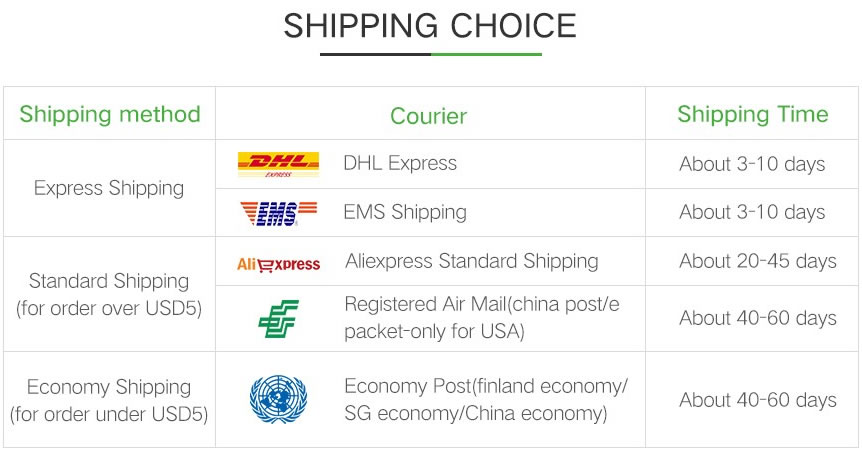
As for the delivery time, when we receive your order requirements, we will arrange for warehouse personnel to test and verify the products. After you place the order, we will send it to you within 24 hours.
Click to rate this post!
[Total: 0 Average: 0]