Excellent PLC


| Company Information | ||||||||
| [email protected] | ||||||||
| Mobile | +8613666033393 | |||||||
| +8613666033393 | ||||||||
| 13666033393 | ||||||||
| Add | Room 1004, No. 62 Xiangxiu Li, Siming District, Xiamen City, Fujian Province, China | |||||||
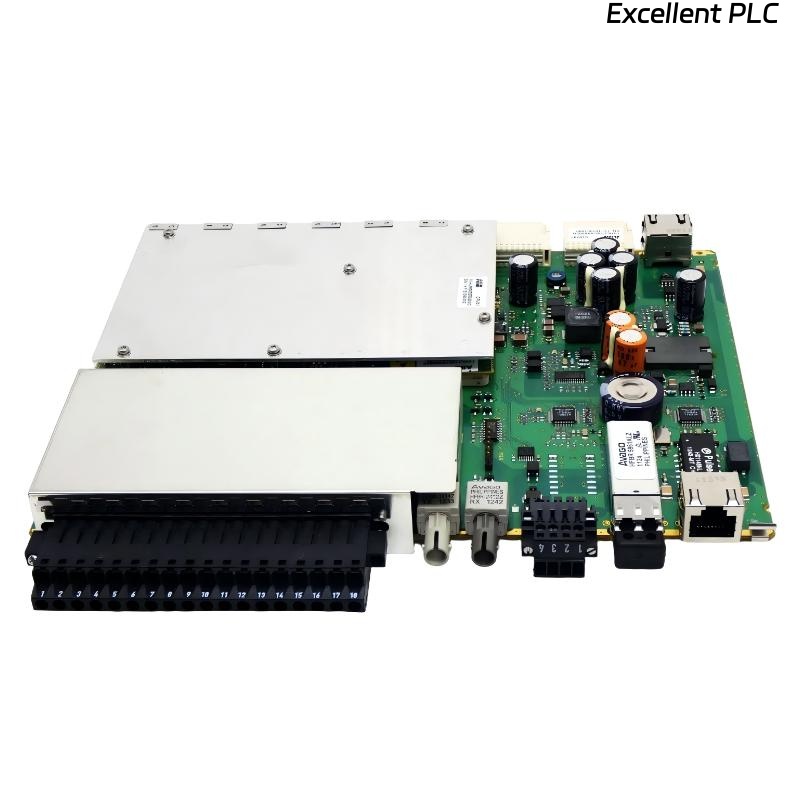
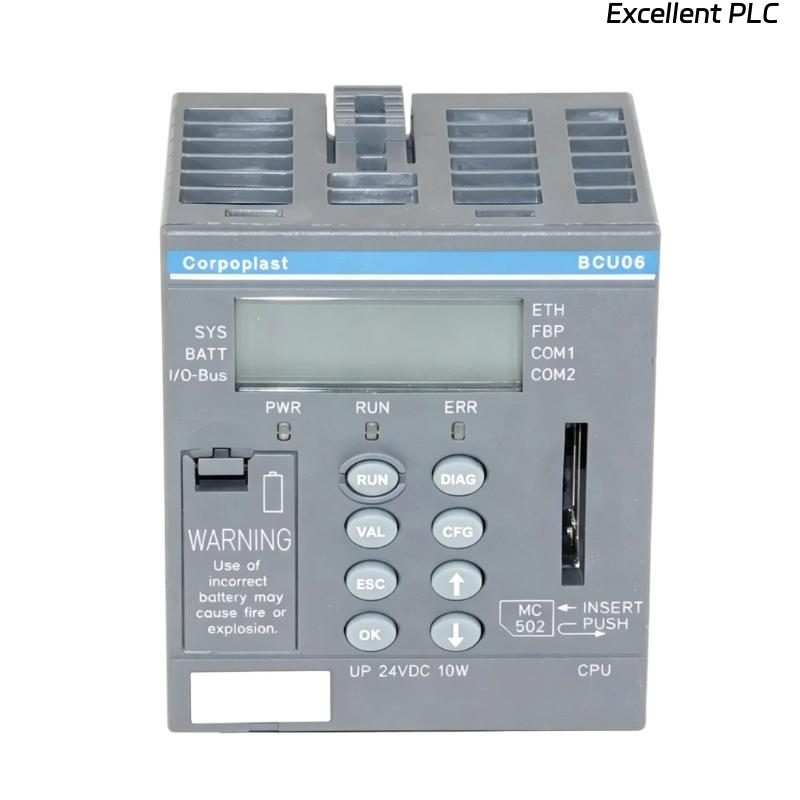
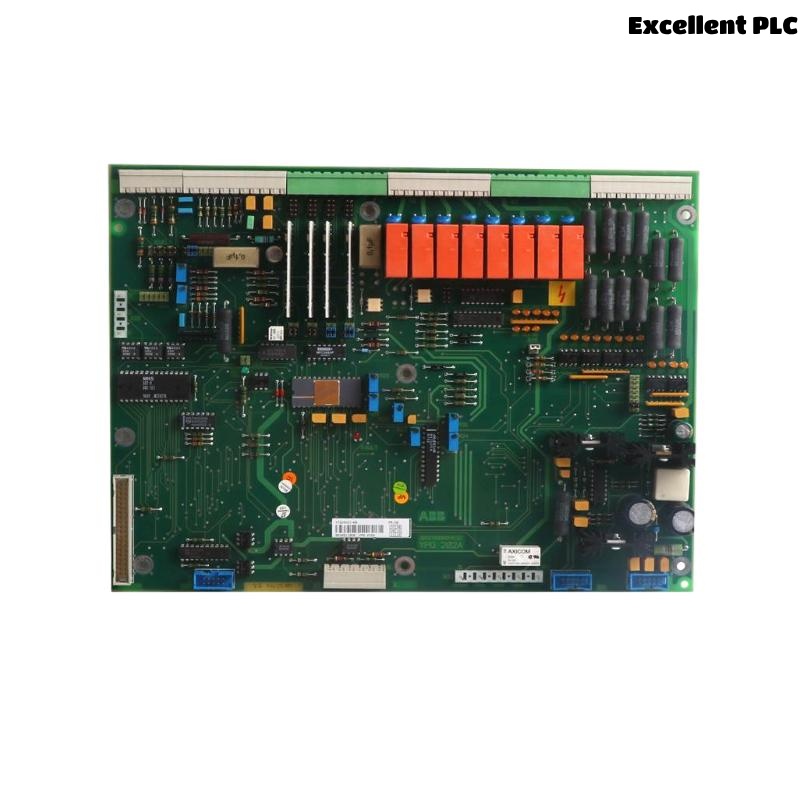
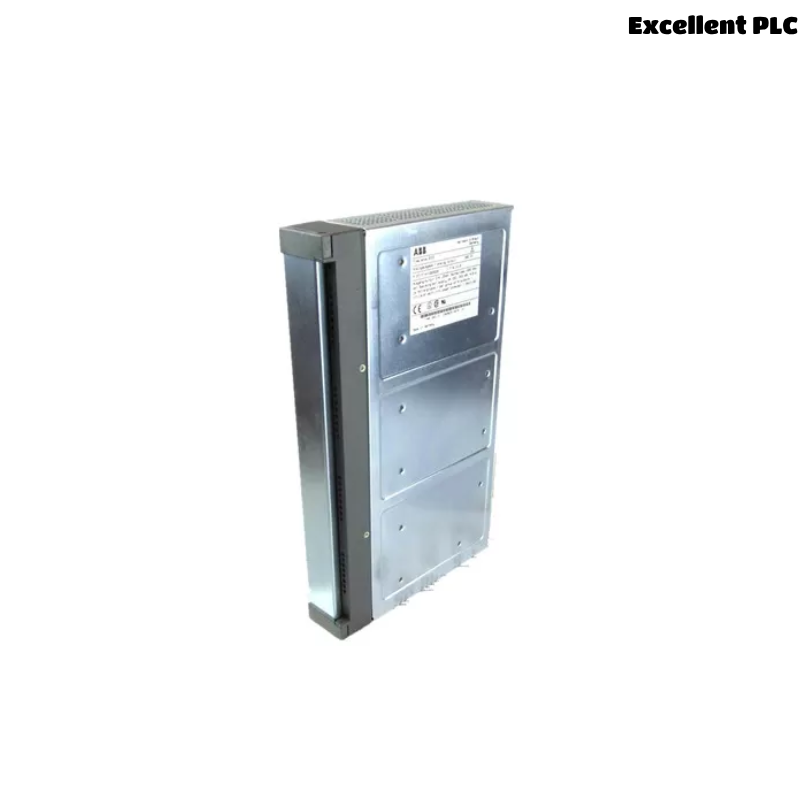
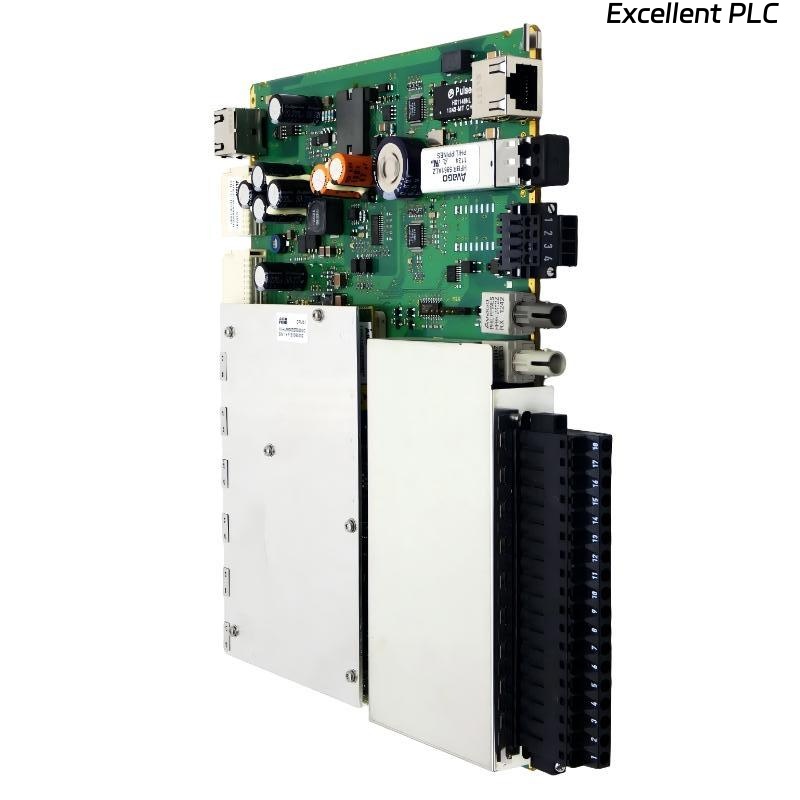
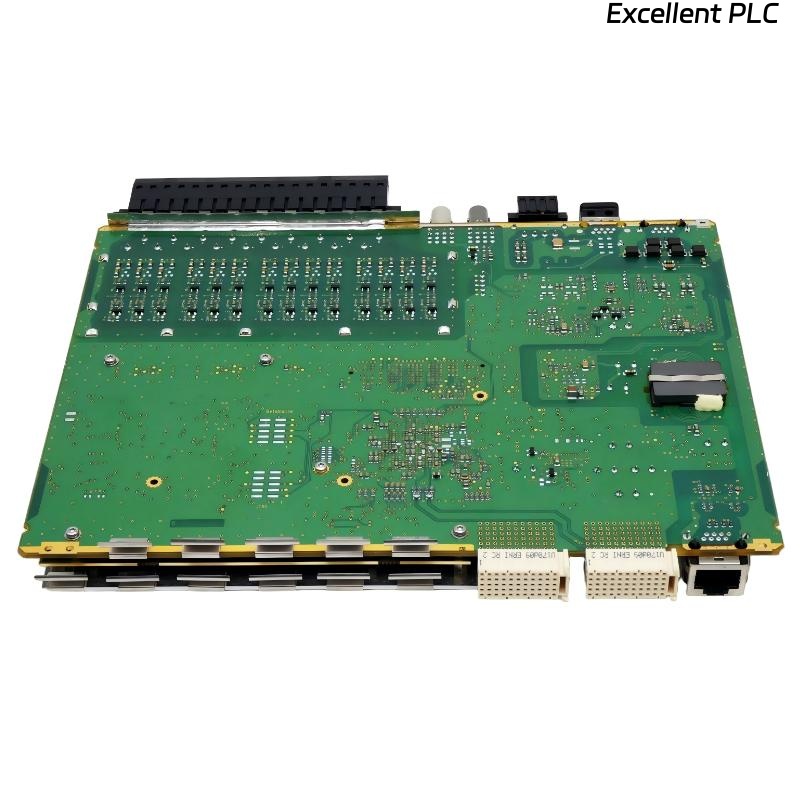
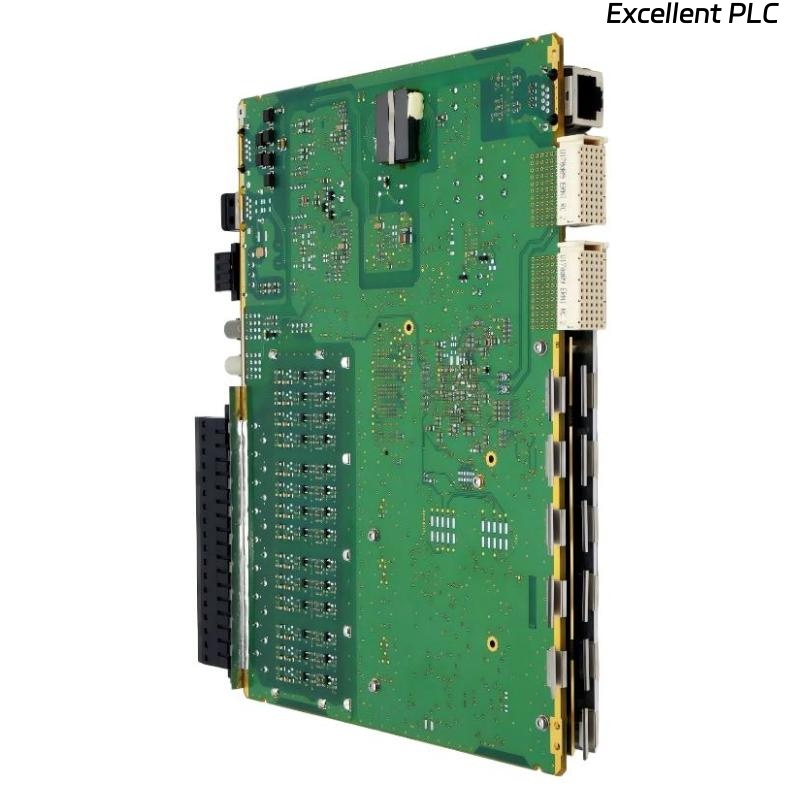
ABB CPM01 1KHL160038R0102N Control Board
- Product Details
- FAQs
- Related
- Contact Us
- Packing & Delivery
- Product Ratings
Product Introduction
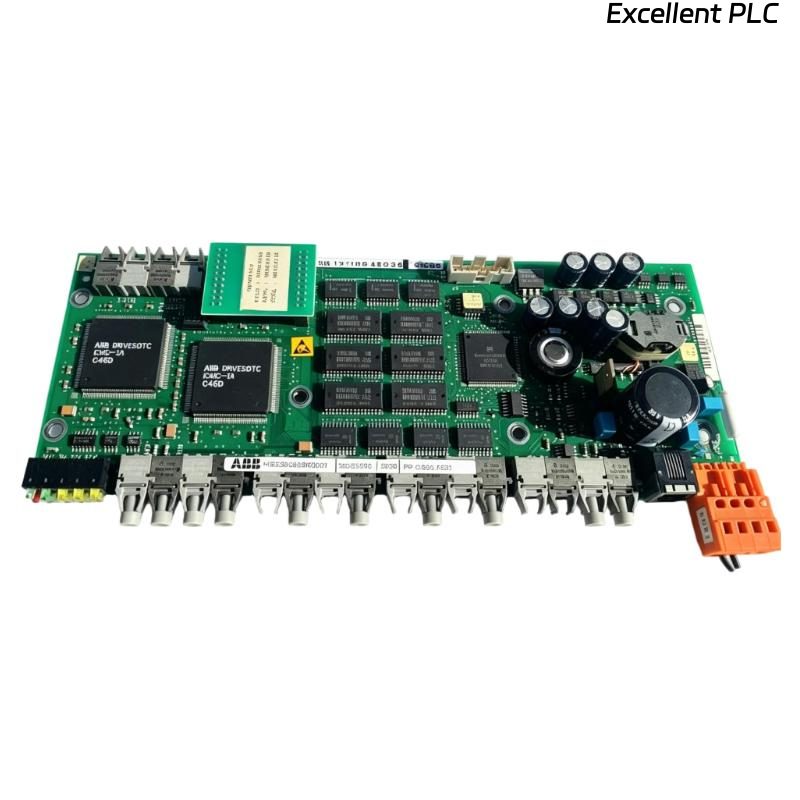
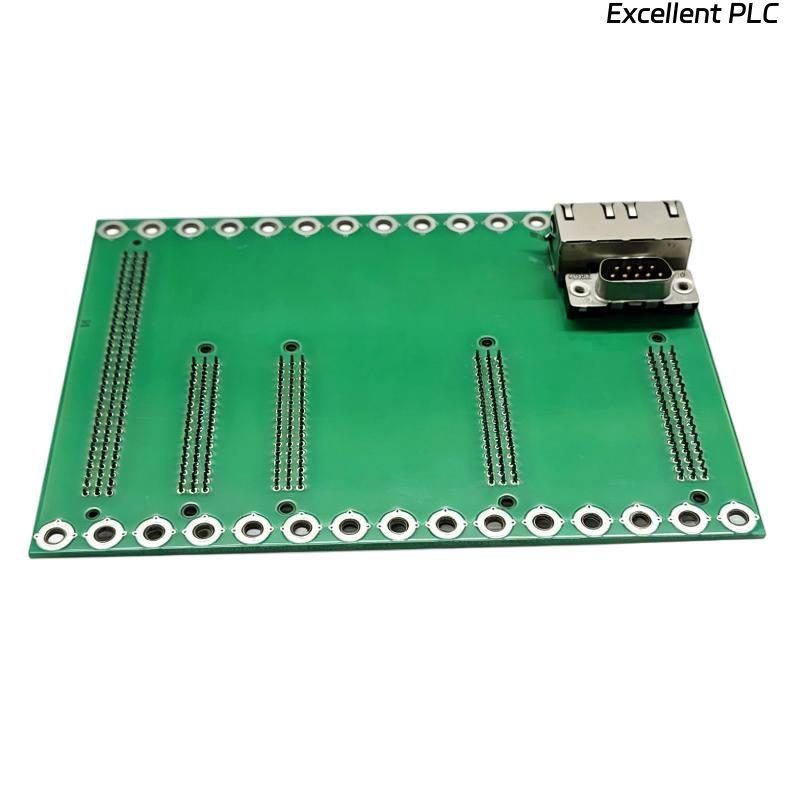
The ABB CPM01 1KHL160038R0102N Control Board is an essential component in ABB’s control systems, designed to handle various automation and process control tasks. It is used to interface with other system components, helping to regulate signals, manage data processing, and ensure seamless communication between devices. The CPM01 module plays a crucial role in optimizing performance, offering precise control and monitoring capabilities.
Typically installed in industrial automation systems, the CPM01 is used for controlling inputs and outputs, managing process parameters, and facilitating communication between different components of a control system. Its compact design and easy integration make it ideal for industrial environments, where reliable and continuous operation is necessary.
The CPM01 is commonly found in environments that require precise and efficient control, such as manufacturing systems, energy management, and other industrial applications.
Product Specifications
| Parameter | Description |
|---|---|
| Product Model | CPM01 1KHL160038R0102N |
| Series | ABB Control Module Series |
| Module Type | Control Board |
| Function Role | Data processing, signal regulation, and control |
| System Position | Core component in automation systems |
| Application Scope | Industrial automation, process control |
| System Role | Input/output control, process management |
| Installation Type | Panel-mounted or rack-mounted |
| Operating Mode | Continuous industrial operation |
| Integration Role | Main processing unit in control systems |
| System Function | Communication and signal regulation |
| Dimensions | 250 × 35 × 130 mm |
| Weight | 0.6 kg |
Applications
• Industrial Automation Systems – Used for controlling and monitoring automation processes in industrial environments.
• Manufacturing Lines – Applied in systems that require continuous data processing and process regulation.
• Energy Management Systems – Helps manage and monitor energy flows in industrial plants.
• Process Control Systems – Used to regulate various process parameters in industrial operations.
• Machine Control – Facilitates signal processing for controlling industrial machinery and systems.
• System Integration Projects – Commonly used when integrating new modules or upgrading existing control systems.
Advantages
• Compact and Efficient Design – Designed for easy installation in industrial control cabinets and panels.
• Reliable Performance – Built for continuous, long-term use in demanding industrial environments.
• Enhanced System Control – Improves data processing and system regulation for better performance.
• Flexible Integration – Can be easily integrated into various control systems and applications.
• Stable Communication – Provides reliable signal handling and communication between system components.
• Optimized for Automation – Specifically designed to meet the needs of industrial automation systems.
FAQ
- What is the main function of the CPM01 control board?
It is used for data processing, signal regulation, and managing communication between various system components. - Where is this module typically installed?
It is installed in industrial control cabinets or racks as part of a larger control system. - What types of systems benefit from using this module?
It is commonly used in industrial automation, process control, and energy management systems. - Does the CPM01 control board perform direct control tasks?
Yes, it regulates signals, manages inputs/outputs, and controls parameters in industrial systems. - Can the CPM01 be integrated with existing control systems?
Yes, it is designed for easy integration into new or upgraded automation systems. - What are the key benefits of using this control board?
It ensures reliable system operation, optimized performance, and seamless integration of components. - Is the CPM01 control board suitable for heavy-duty industrial use?
Yes, it is built for continuous operation in demanding environments, such as manufacturing plants. - What kind of communication does the CPM01 facilitate?
It facilitates communication between different components in automation systems, ensuring smooth data flow. - Can the CPM01 be used in energy management applications?
Yes, it is commonly used in energy management systems to control and monitor energy flows. - Why is this control board important in industrial automation?
It provides critical processing, regulation, and communication capabilities, helping optimize industrial operations.
Related Models
| Model | Type | Function |
|---|---|---|
| ABB CPM02 | Control Board | Enhanced control processing |
| ABB DI01 | I/O Module | Digital input for process control |
| ABB DO01 | I/O Module | Digital output for system communication |
| ABB COM02 | Communication Module | System interface and communication |
| ABB CPU01 | Control Board | Central processing unit for control |
| ABB DCS800 | DC Drive | Speed control in industrial systems |
Popular Models
| Model | Series | Type | Function |
|---|---|---|---|
| ABB CPM01 | Control Series | Control Board | System processing and signal regulation |
| ABB DCS800 | DCS Series | DC Drive | Motor speed and process control |
| ABB ACS880 | ACS Series | AC Drive | Industrial motor control |
| ABB COM02 | Control Series | Communication Module | System communication |
| ABB CPU01 | Control Series | Control Board | Main system processing unit |
| ABB DI01 | I/O Series | Module | Digital input for control systems |
| Company Information | ||||||||
| [email protected] | ||||||||
| Mobile | +8613666033393 | |||||||
| +8613666033393 | ||||||||
| 13666033393 | ||||||||
| Add | Room 1004, No. 62 Xiangxiu Li, Siming District, Xiamen City, Fujian Province, China | |||||||
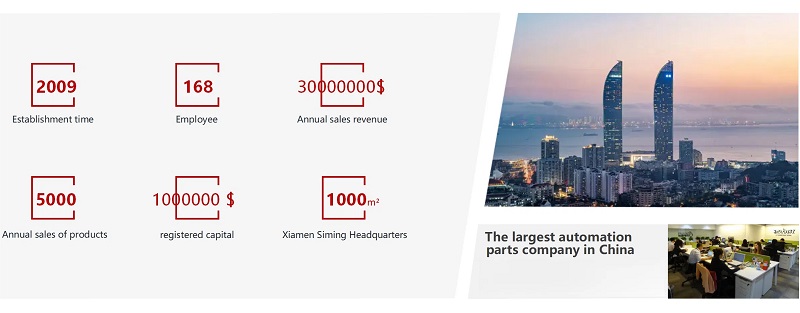
Excellent PLC Co., Ltd. has a large number of brand new and original PLC and DCS spare parts, with more than 60 cooperative countries. All products are guaranteed for 1 year and delivered to you by high-quality express. We are committed to using the best products and the most favorable prices to meet the needs and friendship of our customers. We have won the trust of thousands of customers, including these excellent customers.
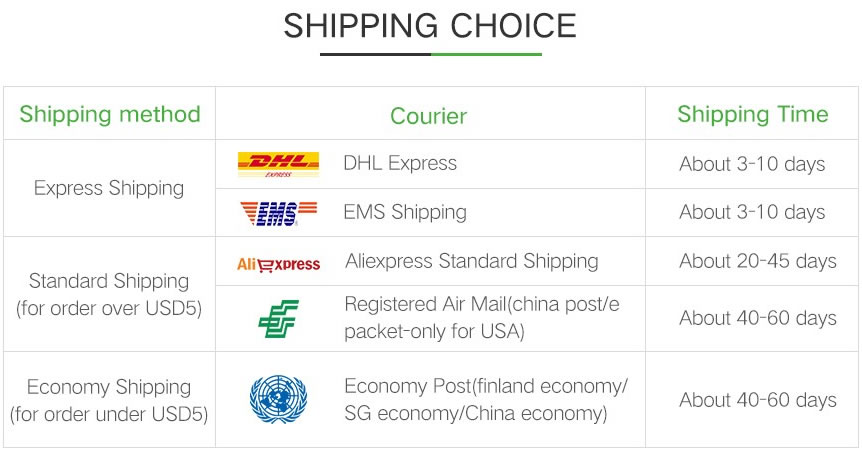
As for the delivery time, when we receive your order requirements, we will arrange for warehouse personnel to test and verify the products. After you place the order, we will send it to you within 24 hours.
Click to rate this post!
[Total: 0 Average: 0]