 Excellent PLC


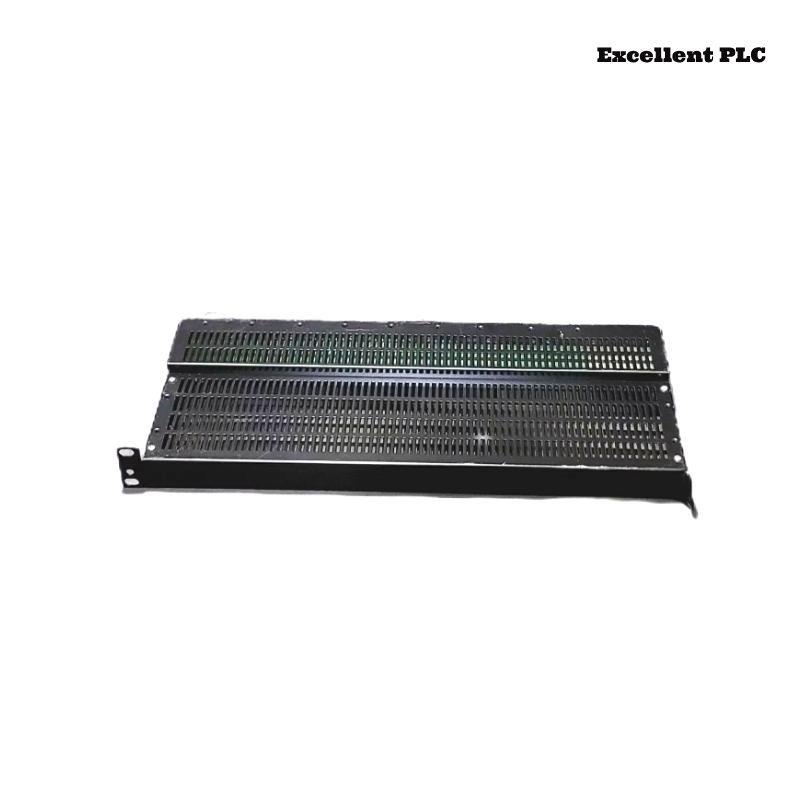
The Yokogawa AEP7D Primary Power Supply Bus Unit distributes incoming AC or DC power to multiple modules within a Yokogawa FIO cabinet. Because the AEP7D is a passive power distribution unit without active electronic control circuits, most failures are related to power wiring, terminal connections, excessive loading, damaged conductors, or poor grounding. A structured troubleshooting procedure enables maintenance personnel to identify power distribution problems quickly, restore cabinet operation, and prevent unnecessary replacement of connected equipment.
Contents
- 1. Understanding AEP7D Power Distribution Faults
- 2. Common Failure Symptoms
- 3. Typical Causes of Power Problems
- 4. Visual Inspection Procedure
- 5. Input Power Verification
- 6. Output Distribution Inspection
- 7. Grounding and Protective Earth Inspection
- 8. Electrical Measurements
- 9. Recommended Troubleshooting Workflow
- 10. Corrective Actions
- 11. Functional Recovery Verification
- 12. Preventive Maintenance
- 13. Environmental Considerations
- 14. Real Industrial Maintenance Case
- 15. Frequently Asked Questions
- 16. Summary
Understanding AEP7D Power Distribution Faults
The AEP7D serves as the primary power distribution point inside a Yokogawa control cabinet. Since it does not regulate voltage or perform switching functions, failures generally originate from external electrical connections rather than the unit itself.
Most reported problems involve loose terminals, incorrect wiring, overloaded circuits, damaged power cables, or inadequate grounding.
Common Failure Symptoms
- One or more downstream modules receive no power
- Entire output group becomes de-energized
- Intermittent cabinet power loss
- Unexpected controller shutdown
- Voltage drops under load
- Protective breakers or fuses operate repeatedly
- Uneven power distribution between outputs
Typical Causes of Power Problems
- Loose input terminals
- Loose output terminals
- Incorrect conductor sizing
- Damaged power cables
- Overloaded output circuits
- Poor grounding
- Improper redundancy wiring
- Corrosion on terminals
Visual Inspection Procedure
- Inspect input terminals
- Inspect output terminals
- Check terminal discoloration
- Inspect cable insulation
- Verify terminal labeling
Input Power Verification
Always verify incoming power before investigating downstream equipment.
- Measure input voltage
- Verify input polarity for DC models
- Inspect upstream breakers
- Check protective fuses
- Verify redundant input sources
Output Distribution Inspection
- Measure voltage at every output terminal
- Compare output voltages
- Inspect load assignments
- Check conductor tightness
- Verify downstream power cables
Grounding and Protective Earth Inspection
- Verify protective earth continuity
- Inspect cabinet bonding
- Measure earth resistance
- Inspect grounding conductors
- Avoid multiple earth paths
Electrical Measurements
| Measured Condition | Possible Diagnosis |
|---|---|
| Correct input voltage, no output voltage | Loose output terminal or open conductor |
| Low output voltage under load | High resistance connection or overload |
| No input voltage | Upstream power supply fault |
| Unequal output voltage | Terminal resistance or damaged conductor |
| Stable input and output voltage | Normal bus unit operation |
Voltage should always be measured under normal operating load conditions to identify hidden resistance or loose power connections.
Recommended Troubleshooting Workflow
VERIFY INPUT POWER
CHECK PROTECTIVE DEVICES
MEASURE OUTPUT VOLTAGES
INSPECT TERMINALS
VERIFY LOAD DISTRIBUTION
CHECK GROUNDING
TEST DOWNSTREAM EQUIPMENT
IDENTIFY ROOT CAUSE
VALIDATE REPAIR
A structured troubleshooting workflow minimizes maintenance time while preventing unnecessary replacement of passive power distribution hardware.
Corrective Actions
- Retighten all power terminals
- Replace damaged conductors
- Correct wiring errors
- Redistribute electrical loads
- Restore protective grounding
- Replace damaged terminal hardware
- Replace the AEP7D only if mechanical damage or burned terminals prevent reliable power distribution
Functional Recovery Verification
- Verify all output voltages
- Confirm redundant power operation
- Power all connected equipment
- Monitor cabinet operation under load
- Record maintenance results
Preventive Maintenance
- Inspect terminals every six months
- Retighten power connections periodically
- Measure voltage under load annually
- Inspect cabinet grounding
- Review electrical load balance
Environmental Considerations
Maintaining suitable environmental conditions helps prevent long-term degradation of power distribution components.
- Control cabinet temperature
- Prevent condensation
- Reduce vibration exposure
- Protect against corrosive gases
- Maintain cabinet cleanliness
Real Industrial Maintenance Case
During scheduled maintenance at a petrochemical facility, operators reported that several FIO nodes unexpectedly lost power while the main cabinet power indicator remained energized.
Inspection confirmed that the incoming AC supply voltage was normal. Measurements at the AEP7D output terminals showed one distribution branch delivering only 58 VAC instead of the expected supply voltage.
Further investigation identified a partially loosened output terminal caused by long-term thermal expansion and vibration.
After disconnecting the power, cleaning the terminal, replacing the damaged conductor lug, and tightening the connection to the specified torque:
- Output voltage returned to normal.
- All downstream FIO modules powered up correctly.
- No additional power interruptions occurred.
- The AEP7D remained fully operational without replacement.
This case illustrates that high-resistance terminal connections are a common cause of intermittent cabinet power failures and should always be investigated before replacing the power distribution unit.
Frequently Asked Questions
Does the AEP7D regulate output voltage?
No. The AEP7D is a passive power distribution unit. It distributes incoming power but does not regulate or convert voltage.
Why do only some downstream modules lose power?
This condition is typically caused by a loose output terminal, damaged conductor, overloaded branch circuit, or an open connection affecting only one output group.
When should the AEP7D be replaced?
Replacement is recommended only if the unit has severe mechanical damage, burned terminals, cracked insulation, or internal conductor damage that prevents safe and reliable power distribution.
Summary
Effective troubleshooting of the Yokogawa AEP7D Primary Power Supply Bus Unit focuses on verifying input power sources, inspecting output distribution terminals, measuring voltage under load, checking grounding integrity, and confirming proper load distribution. Following a systematic diagnostic workflow helps restore reliable cabinet power, minimizes production downtime, and avoids unnecessary replacement of passive power distribution equipment.