 Excellent PLC


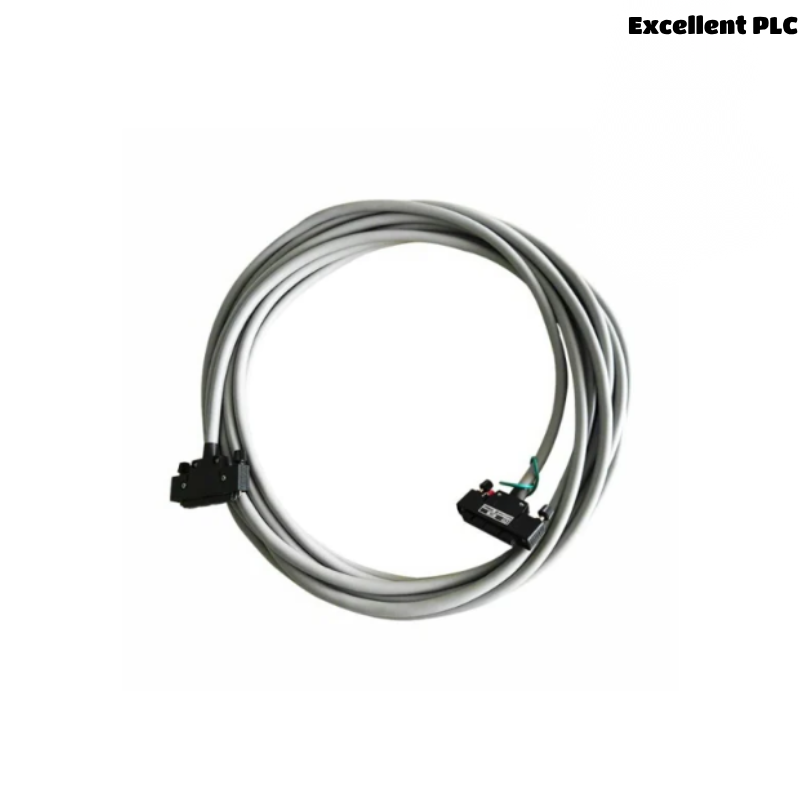
The Yokogawa AKB161 Signal Cable is an industrial interconnection cable designed for use in Yokogawa CENTUM VP and CENTUM CS Distributed Control Systems (DCS). It provides reliable signal transmission between control modules, interface units, I/O modules, terminal boards, and associated field equipment. Manufactured for industrial process automation environments, the AKB161 features high-quality conductors, durable insulation, and shielded construction to minimize electromagnetic interference (EMI) while ensuring stable signal integrity. Proper installation and cable routing are essential for maintaining reliable communication and long-term system performance.
Contents
- 1. Product Overview
- 2. Main Features
- 3. Typical Applications
- 4. Installation Preparation
- 5. Cable Inspection
- 6. Cable Installation
- 7. Cable Routing Guidelines
- 8. Electrical Connection
- 9. Commissioning Procedure
- 10. Functional Verification
- 11. Preventive Maintenance
- 12. Practical Installation Case
- 13. Frequently Asked Questions
Product Overview
The AKB161 Signal Cable is designed to provide dependable signal transmission between Yokogawa control system components. Its shielded construction helps protect analog and digital signals from electrical noise generated by nearby power equipment, ensuring accurate data communication and stable DCS operation.
Main Features
- Industrial-grade signal transmission cable
- Compatible with Yokogawa CENTUM systems
- Shielded construction for EMI protection
- High-quality insulated conductors
- Flexible cable design for control cabinet installation
- Reliable signal integrity over long operating periods
- Suitable for continuous industrial environments
Typical Applications
- CENTUM VP Distributed Control Systems
- CENTUM CS control systems
- I/O module interconnections
- Control module wiring
- Terminal board connections
- Interface module communication
- Industrial control cabinets
- Power generation facilities
- Oil and gas plants
- Petrochemical and chemical processing facilities
Installation Preparation
- Verify the correct AKB161 cable length and part number.
- Review the system wiring diagram.
- Inspect cable routing paths.
- Prepare appropriate cable management hardware.
- Ensure ESD precautions are followed during installation.
Cable Inspection
- Inspect the cable jacket for cuts or abrasion.
- Verify connector integrity.
- Check shielding continuity.
- Inspect conductor insulation.
- Confirm cable identification labels.
Cable Installation
- Power down the control system if required.
- Route the AKB161 cable according to engineering drawings.
- Avoid sharp bends and excessive mechanical stress.
- Connect both cable ends securely.
- Fasten the cable using approved cable clamps.
- Verify connector locking mechanisms.
Cable Routing Guidelines
- Separate signal cables from high-voltage power cables.
- Maintain the recommended minimum bend radius.
- Avoid routing near sources of electromagnetic interference.
- Support long cable runs adequately.
- Protect cables from mechanical damage.
Electrical Connection
- Verify connector orientation before insertion.
- Ensure connectors are fully seated.
- Confirm shield grounding according to system requirements.
- Inspect connector locking devices.
- Verify wiring matches the engineering documentation.
Commissioning Procedure
VERIFY CABLE IDENTIFICATION
INSPECT CONNECTORS
ROUTE THE CABLE
CONNECT BOTH ENDS
VERIFY SHIELD GROUNDING
CHECK SIGNAL CONTINUITY
POWER THE SYSTEM
VERIFY NORMAL COMMUNICATION
Functional Verification
- Confirm stable signal transmission.
- Verify communication between connected devices.
- Check for communication errors.
- Inspect connector stability during operation.
- Monitor system performance after commissioning.
Preventive Maintenance
- Inspect cables during scheduled maintenance.
- Verify connector tightness.
- Check for cable jacket deterioration.
- Inspect shielding integrity.
- Replace damaged cables immediately.
Practical Installation Case
During expansion of a refinery automation system, multiple AKB161 signal cables were installed between interface modules and I/O racks.
Following installation and commissioning:
- Communication remained stable under full system load.
- No signal interference was detected.
- Signal quality met engineering specifications.
- The control system operated continuously without communication faults.
Frequently Asked Questions
What is the AKB161 used for?
The AKB161 is an industrial signal cable used to connect Yokogawa control system components, providing reliable signal transmission between modules, interface units, and terminal boards.
Why should signal cables be separated from power cables?
Maintaining separation reduces electromagnetic interference (EMI), improving signal quality and ensuring stable communication within the Distributed Control System.
What should be checked after installation?
Verify connector engagement, cable routing, shield grounding, signal continuity, communication quality, and overall system operation before placing the installation into service.
Summary
Proper installation of the Yokogawa AKB161 Signal Cable ensures reliable communication between Distributed Control System components. Careful cable routing, secure connector installation, correct shield grounding, and routine preventive maintenance help maintain excellent signal integrity and dependable long-term operation in industrial automation environments.