Excellent PLC


| Company Information | ||||||||
| [email protected] | ||||||||
| Mobile | +8613666033393 | |||||||
| +8613666033393 | ||||||||
| 13666033393 | ||||||||
| Add | Room 1004, No. 62 Xiangxiu Li, Siming District, Xiamen City, Fujian Province, China | |||||||
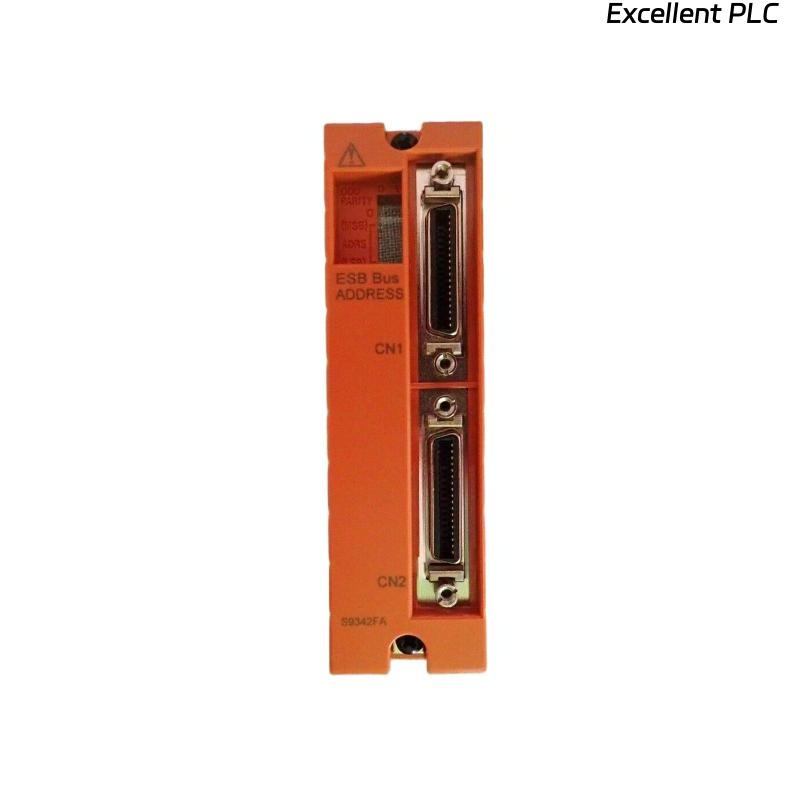
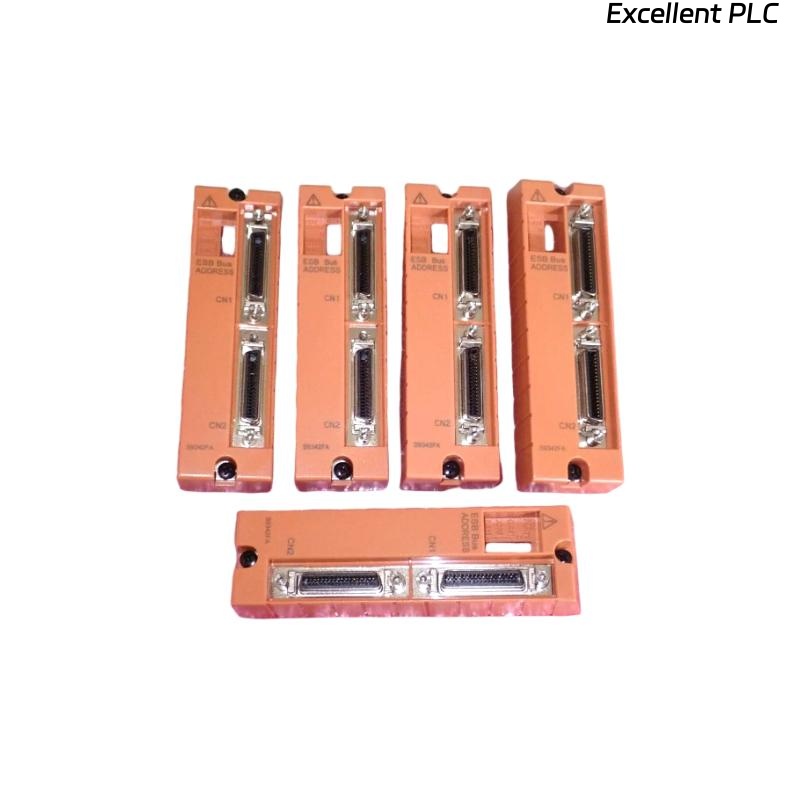
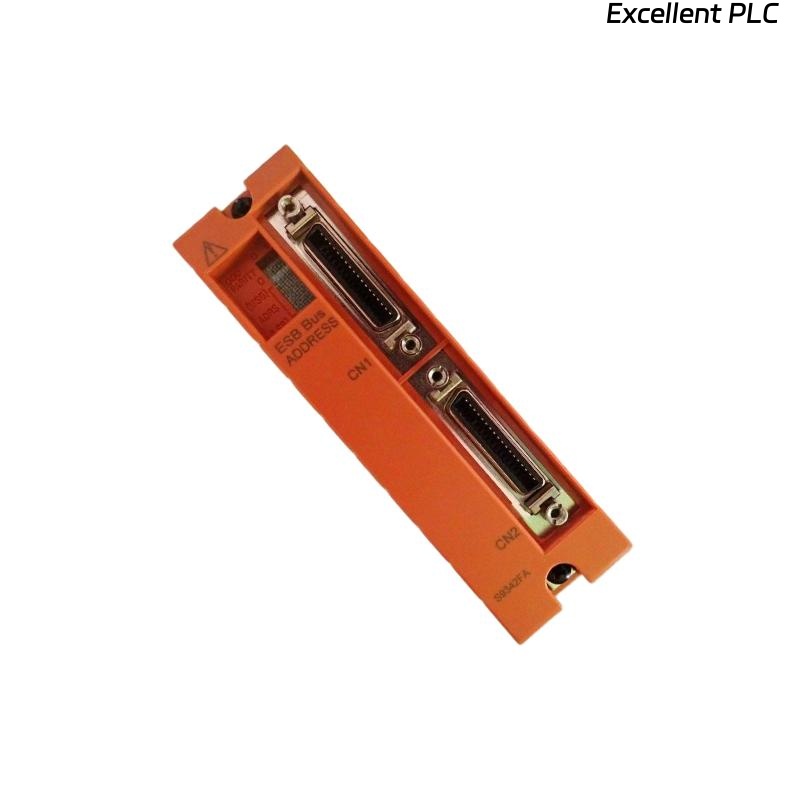
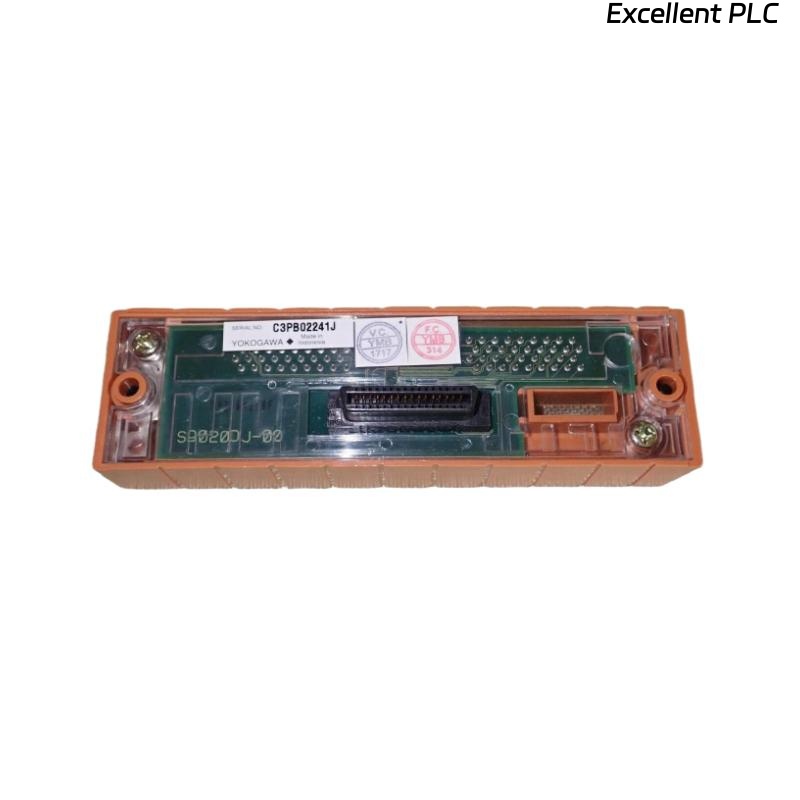
Yokogawa S9342FA Dual-Channel Bus Interface Module
- Product Details
- FAQs
- Related
- Contact Us
- Packing & Delivery
- Product Ratings
Product Introduction
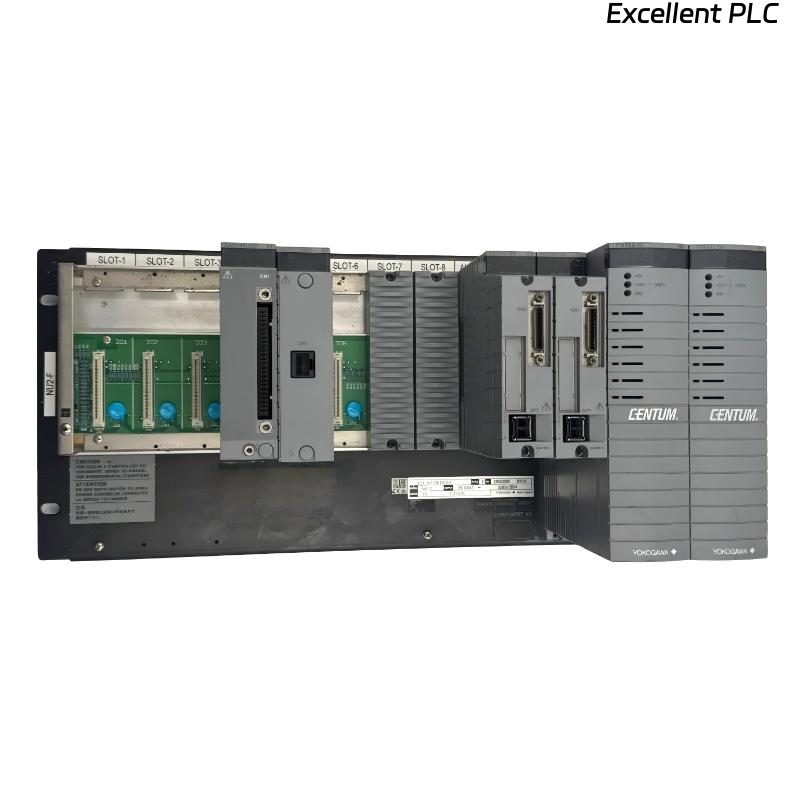
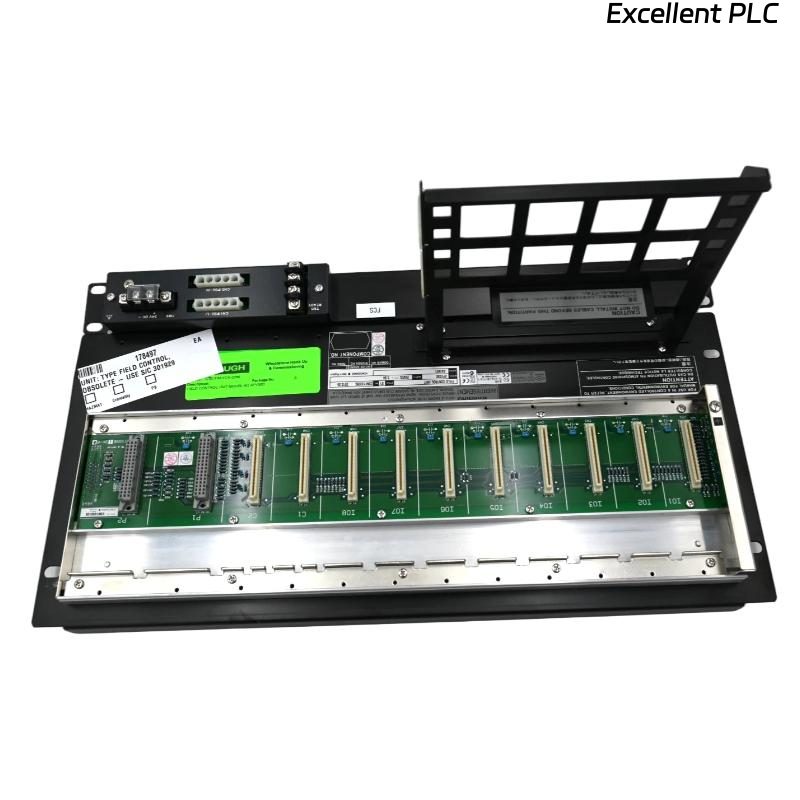
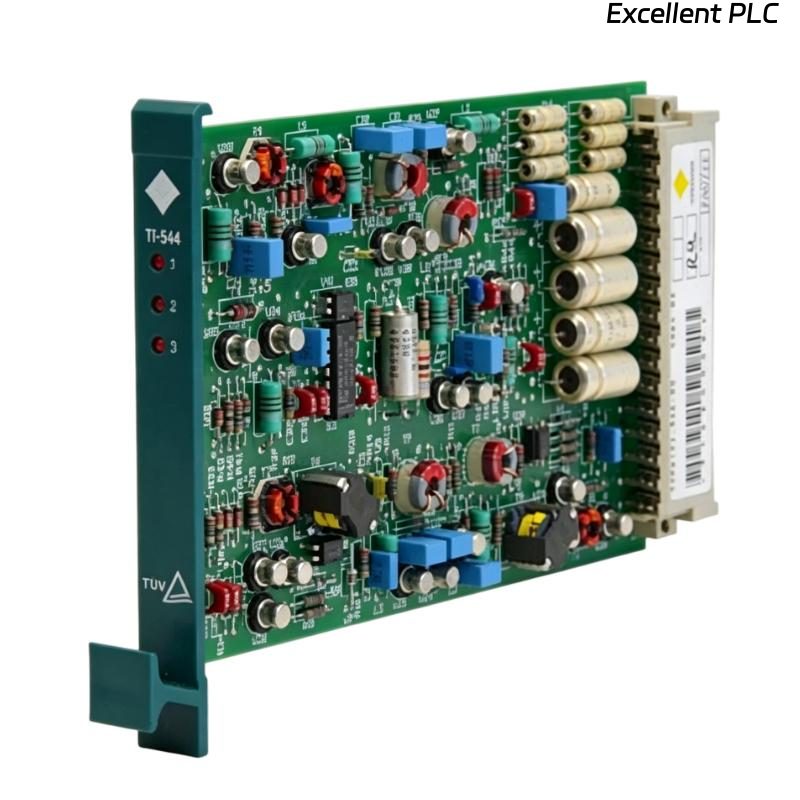
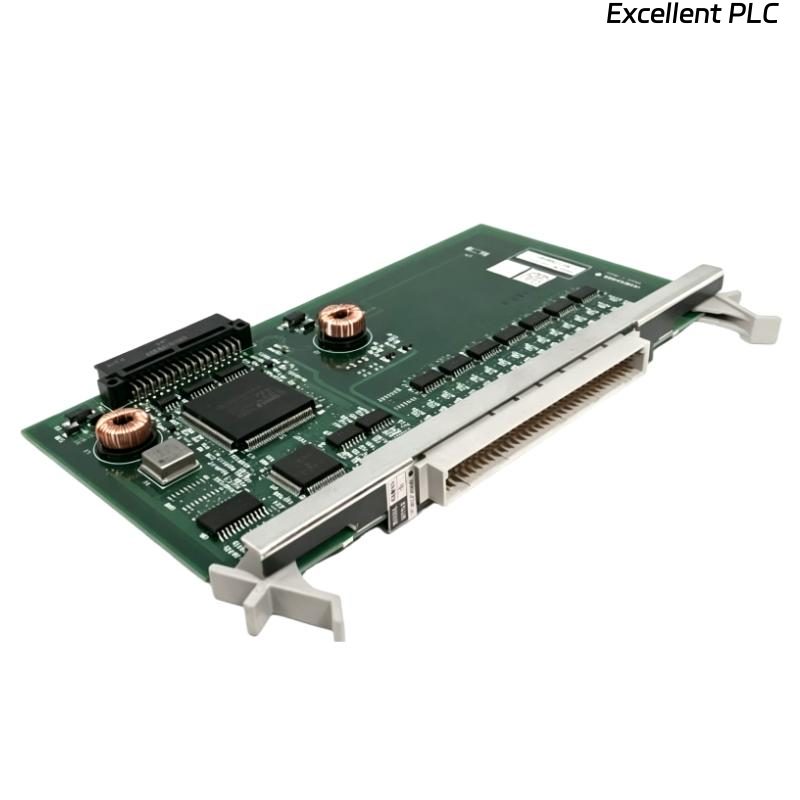
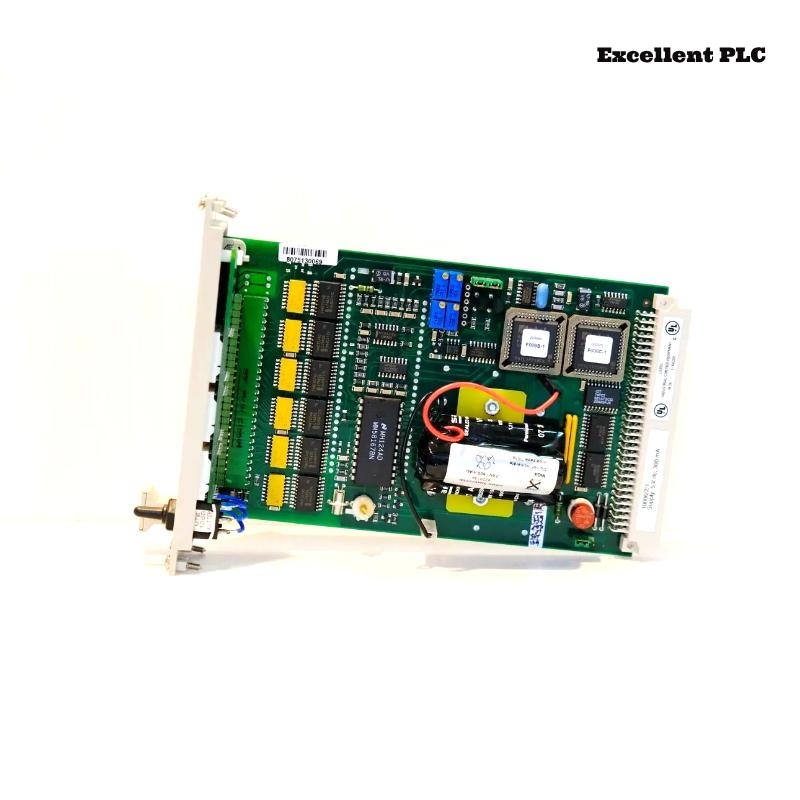
The Yokogawa S9342FA Dual-Channel Bus Interface Module is designed for connecting two ESB / N-ESB bus channels in Yokogawa distributed control systems (DCS). It provides a high-reliability interface between I/O modules and the bus network, allowing dual-channel operation for redundancy and increased system availability. Its compact and modular design ensures easy integration into Yokogawa racks while maintaining signal integrity across all connected modules.
Product Parameters
| Parameter | Specification |
|---|---|
| Model Name | Yokogawa S9342FA |
| Type | Dual-Channel Bus Interface Module |
| Supported Bus | ESB / N-ESB |
| Channels | 2 independent bus channels |
| Connector Type | Multi-pin connector |
| Isolation | Opto-isolated between bus and module electronics |
| Operating Temperature | –20 °C to +60 °C |
| Storage Temperature | –40 °C to +85 °C |
| Humidity | 5 – 95% RH non-condensing |
| Mounting | Rack / terminal board |
| Dimensions | 50 × 32.8 × 107.5 mm |
| Weight | 0.2 kg |
Applications
The S9342FA is used for dual-channel bus connections in Yokogawa DCS systems. Typical applications include:
-
Connecting multiple I/O modules to two separate bus channels
-
Providing redundancy for critical process control signals
-
Ensuring signal integrity and reliable communication across racks
-
Industrial process automation in oil & gas, chemical, water treatment, and power generation
Product Advantages
-
Dual-Channel Redundancy: Supports two independent bus channels for high availability
-
Compact Modular Design: Easily integrates into Yokogawa I/O racks
-
Reliable Communication: Maintains signal integrity across the bus network
-
Opto-Isolated: Protects module electronics from electrical noise and surges
-
Simplified Installation: Reduces wiring complexity in control cabinets
-
Industrial-Grade Durability: Wide operating temperature and humidity range
FAQ
-
Q: How many bus channels does the S9342FA support?
A: It supports two independent ESB/N-ESB bus channels. -
Q: What type of connector is used?
A: Multi-pin connector compatible with Yokogawa modules. -
Q: Is the module electrically isolated?
A: Yes, it uses opto-isolation between bus channels and electronics. -
Q: Can it be used for redundant bus configurations?
A: Yes, it is specifically designed for dual-channel redundancy. -
Q: What are the operating temperature and humidity ranges?
A: –20 °C to +60 °C, 5–95% RH non-condensing. -
Q: How is it mounted?
A: Installed in Yokogawa I/O racks or terminal boards. -
Q: Does it provide diagnostic capabilities?
A: Yes, basic bus status and connectivity diagnostics are available. -
Q: Can multiple modules be connected in series?
A: Yes, following Yokogawa bus topology rules. -
Q: Does it protect against electrical surges?
A: The opto-isolation safeguards the module electronics from bus surges. -
Q: What commissioning tests are recommended?
A: Verify bus continuity, signal integrity, and controller communication.
Recommended Related or Same-Series Models
| Model | Description |
|---|---|
| S9341FA | Bus connector unit |
| S9343FA | Connector with terminator for ProSafe/ESB |
| S9260DE | Digital input/output terminal board module |
| S9260BE-02 | Complementary board for terminal modules |
| S9548FA | Backup/battery component for system racks |
| S9181AA | Other S9-series digital I/O module |
Six Popular Yokogawa Models
| Model | Description |
|---|---|
| S9758UV | High-voltage I/O module |
| S9757UV | Medium-voltage I/O module |
| S9756UV | Low-voltage I/O module |
| S9755UV | Analog input/output module |
| S9754UV | Digital input/output module |
| S9753UV | Communication interface module |
FAQ
-
Q: How many bus channels does the S9342FA support?
A: It supports two independent ESB/N-ESB bus channels. -
Q: What type of connector is used?
A: Multi-pin connector compatible with Yokogawa modules. -
Q: Is the module electrically isolated?
A: Yes, it uses opto-isolation between bus channels and electronics. -
Q: Can it be used for redundant bus configurations?
A: Yes, it is specifically designed for dual-channel redundancy. -
Q: What are the operating temperature and humidity ranges?
A: –20 °C to +60 °C, 5–95% RH non-condensing. -
Q: How is it mounted?
A: Installed in Yokogawa I/O racks or terminal boards. -
Q: Does it provide diagnostic capabilities?
A: Yes, basic bus status and connectivity diagnostics are available. -
Q: Can multiple modules be connected in series?
A: Yes, following Yokogawa bus topology rules. -
Q: Does it protect against electrical surges?
A: The opto-isolation safeguards the module electronics from bus surges. -
Q: What commissioning tests are recommended?
A: Verify bus continuity, signal integrity, and controller communication.
Recommended Related or Same-Series Models
| Model | Description |
|---|---|
| S9341FA | Bus connector unit |
| S9343FA | Connector with terminator for ProSafe/ESB |
| S9260DE | Digital input/output terminal board module |
| S9260BE-02 | Complementary board for terminal modules |
| S9548FA | Backup/battery component for system racks |
| S9181AA | Other S9-series digital I/O module |
Six Popular Yokogawa Models
| Model | Description |
|---|---|
| S9758UV | High-voltage I/O module |
| S9757UV | Medium-voltage I/O module |
| S9756UV | Low-voltage I/O module |
| S9755UV | Analog input/output module |
| S9754UV | Digital input/output module |
| S9753UV | Communication interface module |

| Company Information | ||||||||
| [email protected] | ||||||||
| Mobile | +8613666033393 | |||||||
| +8613666033393 | ||||||||
| 13666033393 | ||||||||
| Add | Room 1004, No. 62 Xiangxiu Li, Siming District, Xiamen City, Fujian Province, China | |||||||
Excellent PLC Co., Ltd. has a large number of brand new and original PLC and DCS spare parts, with more than 60 cooperative countries. All products are guaranteed for 1 year and delivered to you by high-quality express. We are committed to using the best products and the most favorable prices to meet the needs and friendship of our customers. We have won the trust of thousands of customers, including these excellent customers.
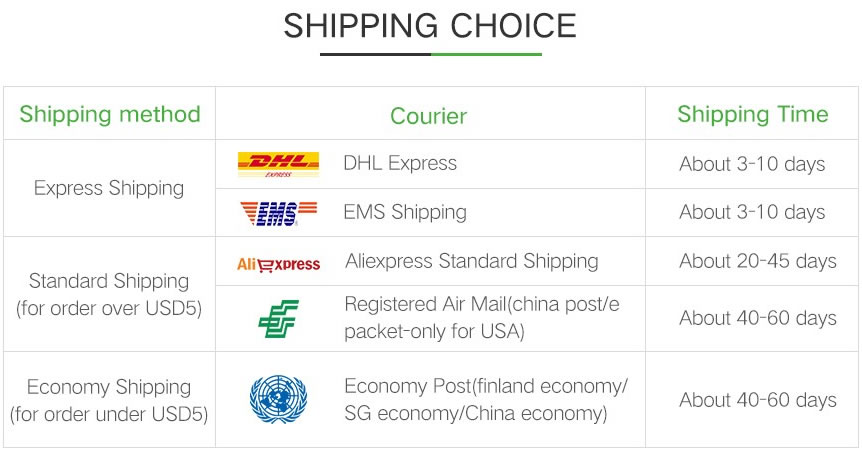
As for the delivery time, when we receive your order requirements, we will arrange for warehouse personnel to test and verify the products. After you place the order, we will send it to you within 24 hours.
Click to rate this post!
[Total: 0 Average: 0]