Excellent PLC


| Company Information | ||||||||
| [email protected] | ||||||||
| Mobile | +8613666033393 | |||||||
| +8613666033393 | ||||||||
| 13666033393 | ||||||||
| Add | Room 1004, No. 62 Xiangxiu Li, Siming District, Xiamen City, Fujian Province, China | |||||||
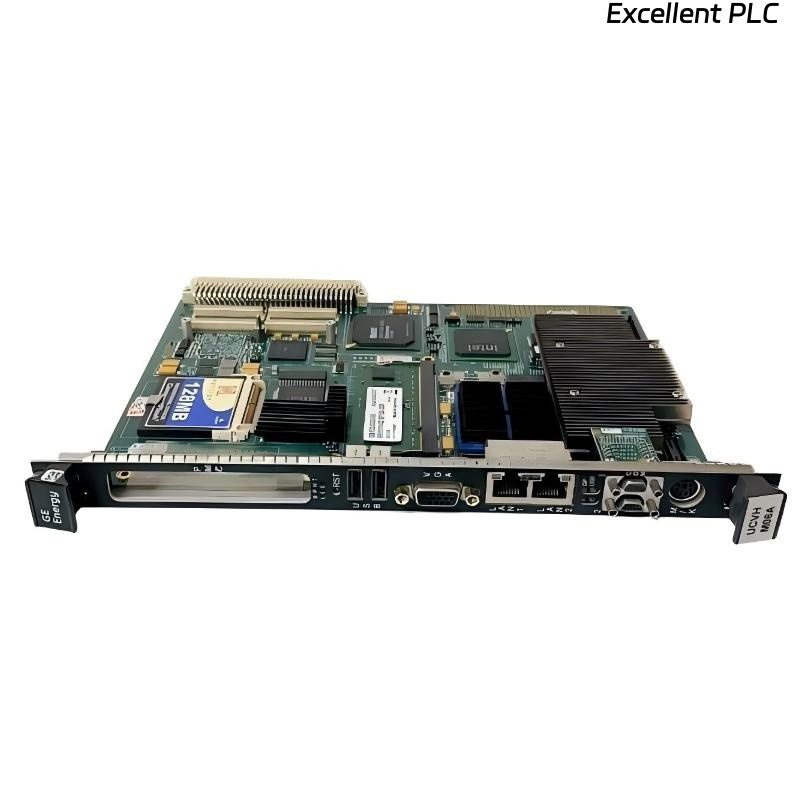
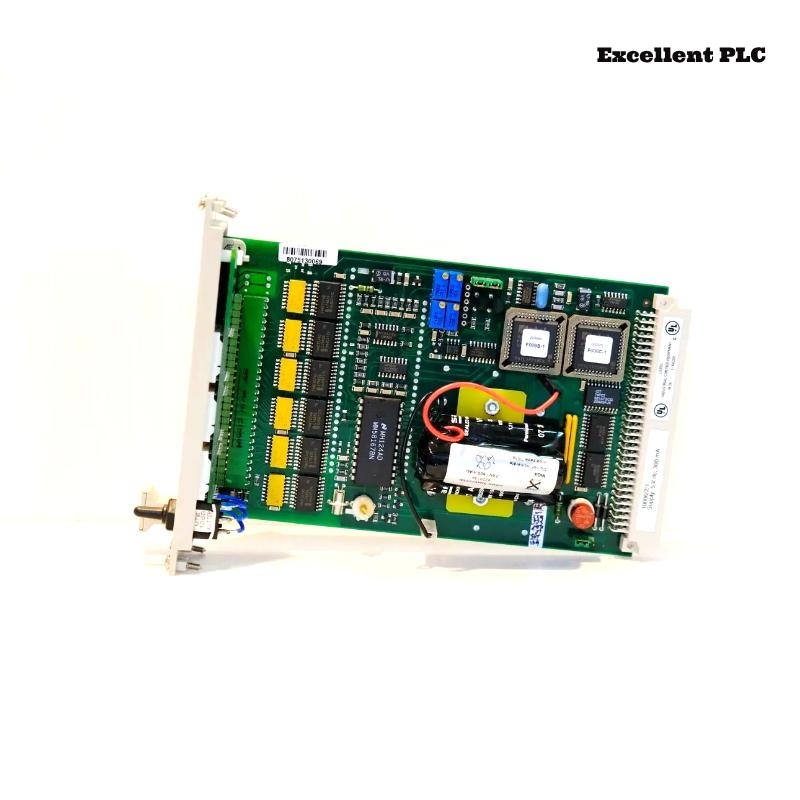
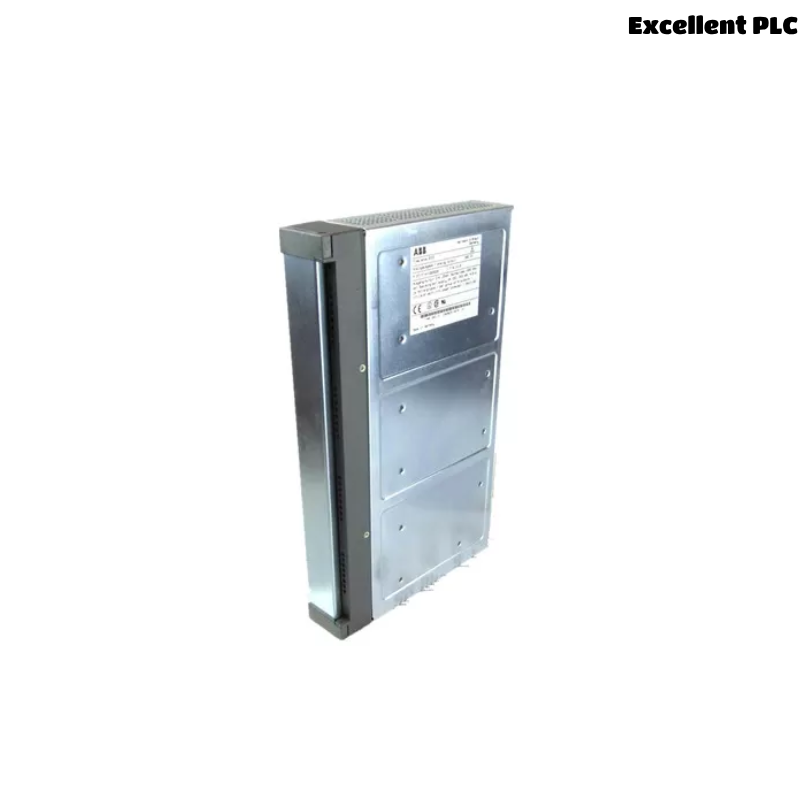
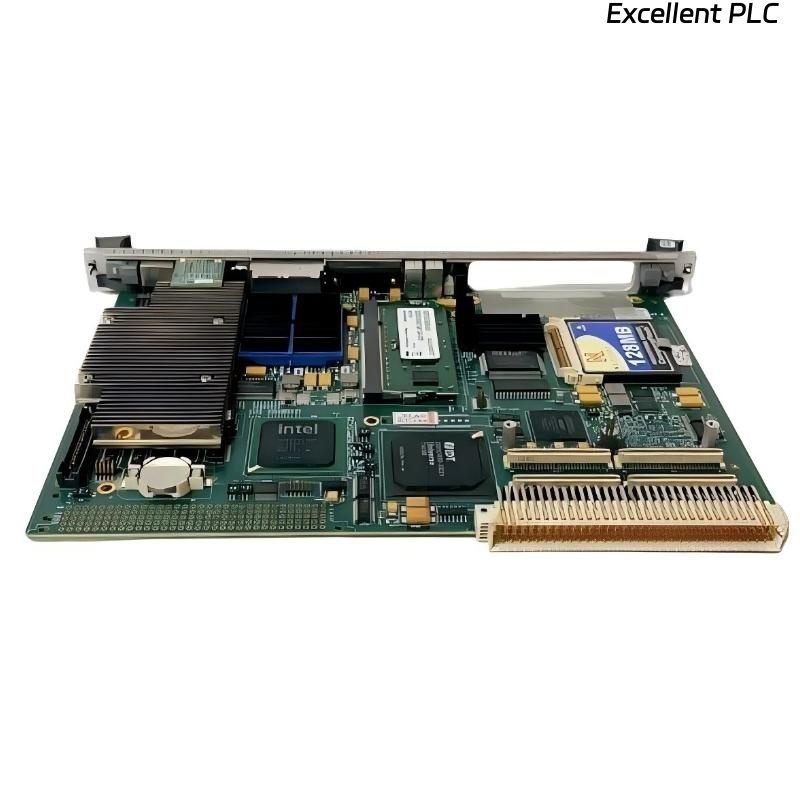
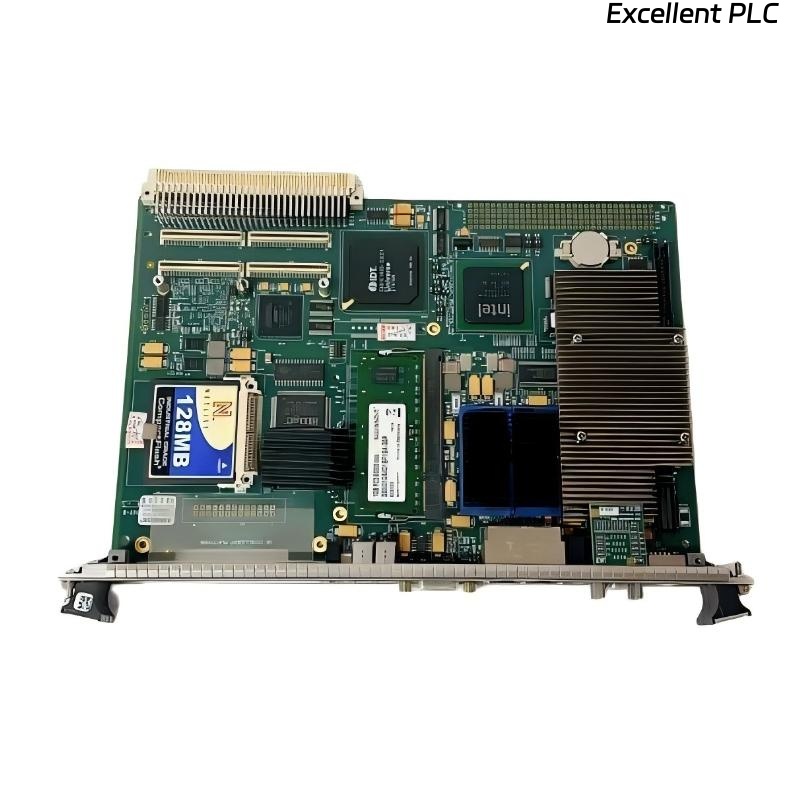
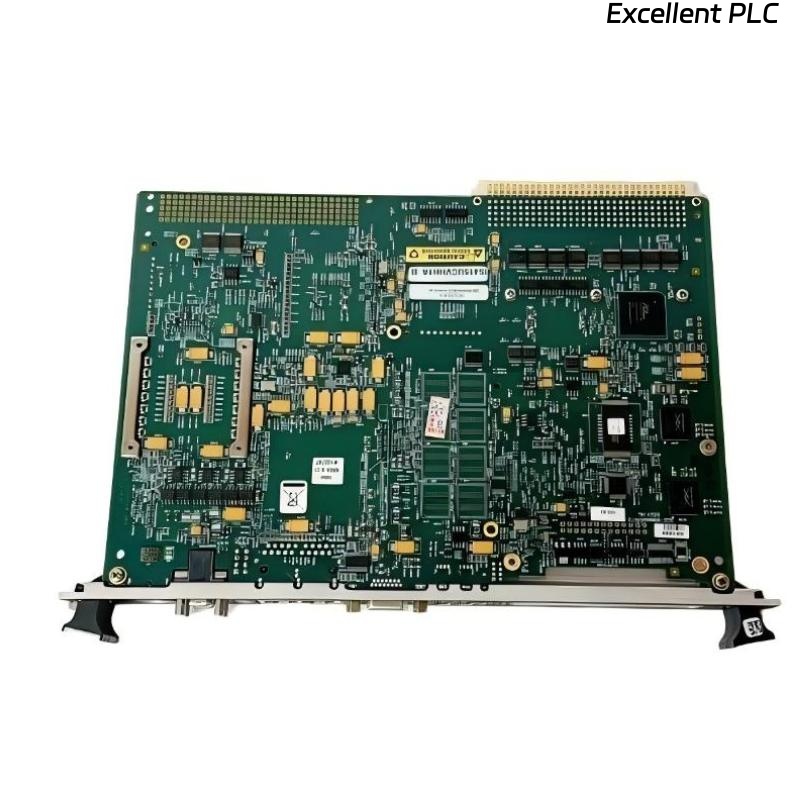
GE IS215UCVHM06A / IS415UCVHH1A – High-Performance Control Processor Module
- Product Details
- FAQs
- Related
- Contact Us
- Packing & Delivery
- Product Ratings
1. Executive Summary
The GE IS215UCVHM06A and IS415UCVHH1A processor modules are advanced control CPUs engineered for Mark VI / Mark VIe turbine and power plant automation systems. These units form the computational core of GE’s control environment, offering deterministic processing, robust redundancy features, and secure interfacing with high-speed industrial networks.
This whitepaper-style overview outlines their technical architecture, operational characteristics, and integration benefits for large-scale energy and industrial automation systems.
2. Technical Architecture & Specifications
| Parameter | Specification |
|---|---|
| Manufacturer | GE Industrial / GE Energy |
| Models | IS215UCVHM06A, IS415UCVHH1A |
| Module Type | High-performance control processor module |
| Platform Compatibility | Mark VI, Mark VIe control systems |
| Processor Type | High-speed industrial embedded CPU |
| Memory Resources | Extended RAM + non-volatile storage |
| Redundancy Support | Yes, supports hot-backup architectures |
| Backplane Interface | VME / proprietary GE control bus |
| Communication Options | Ethernet, serial channels, internal control networks |
| Diagnostic Functions | Self-test routines, watchdog, fault isolation |
| I/O Handling | High-speed deterministic I/O scheduling |
| Operating Voltage | Rack-supplied backplane power |
| Operating Temperature | 0°C to 60°C (32°F to 140°F) |
| Storage Temperature | -40°C to 85°C |
| Humidity | 5–95% non-condensing |
| Dimensions (H × W × D) | 267 mm × 40 mm × 240 mm (10.5 in × 1.6 in × 9.4 in) |
| Weight | 1.02 kg (2.25 lb) |
| Mounting | Mark VI / Mark VIe rack |
| Compliance | Industrial-grade EMC and vibration tolerance |
3. Primary Application Domains
Due to their deterministic behavior and high system integrity, these modules are widely deployed in:
-
Gas turbine and steam turbine control
-
Generator management and protection systems
-
Large utility-scale power plants
-
Pipeline compressor and pump control
-
Industrial energy management systems
-
Process automation requiring fault-tolerant CPU redundancy
Their ability to execute time-critical logic makes them essential for safety-critical turbine sequencing and I/O coordination.
4. Operational Advantages
-
Deterministic Processing Engine
Guarantees consistent execution cycle times for high-priority turbine logic. -
Robust Redundancy Infrastructure
Built-in capability for active/standby CPU arrangements. -
Enhanced Communication Layer
Supports high-bandwidth Ethernet and internal control buses. -
Advanced Diagnostic Framework
Includes self-monitoring, watchdog timers, and event-driven fault reporting. -
Hardened for Industrial Disturbances
Resistant to EMI, temperature swings, and vibration typical in turbine halls. -
Stable Long-Term Operation
Designed for 24/7 mission-critical activity with minimal downtime. -
Secure Memory Architecture
Protects configuration, logic, and historical data during power cycles.
Technical FAQs
-
Are these modules designed for Mark VI or Mark VIe systems?
They support both, depending on system configuration. -
Do the modules provide hot-backup redundancy?
Yes, redundancy is a core design feature. -
What communication interfaces are available?
Ethernet, serial, and proprietary internal buses. -
Do they handle high-speed I/O tasks?
Yes, they schedule and process I/O deterministically. -
Is backplane power required?
All operational power is provided through the rack backplane. -
Are these modules suitable for turbine sequencing logic?
Yes, they are optimized for turbine and protection control. -
What operating temperature range is supported?
0°C to 60°C. -
Do they contain onboard diagnostics?
They run continuous self-tests and provide event-based fault isolation. -
Are they interchangeable?
They are not direct substitutes; usage depends on system design. -
Can they drive external I/O directly?
No, they coordinate I/O via Mark VI / Mark VIe terminal boards.
Recommended Related Models
| Model | Description |
|---|---|
| IS215UCVEM06A | Enhanced Mark VIe CPU module |
| IS200CPUXH1A | High-capacity processor module |
| IS215VPROH2B | Protection-class processor board |
| IS200AEPAH1A | Control rack power supply |
| IS200SPIDG1A | Speed control processor |
| IS200DSPXH1A | Digital signal processor module |
Popular GE Industrial Control Modules
| Model | Module Type |
|---|---|
| IS215UCVHM06A | High-performance CPU module |
| IS415UCVHH1A | Advanced control processor |
| IS200TBTCH1C | Turbine terminal board |
| IS200EPDMG1A | Exciter power module |
| IS215ACLEH1A | Ethernet communication controller |
| DS200SDCCG1A | Drive control CPU board |
| Company Information | ||||||||
| [email protected] | ||||||||
| Mobile | +8613666033393 | |||||||
| +8613666033393 | ||||||||
| 13666033393 | ||||||||
| Add | Room 1004, No. 62 Xiangxiu Li, Siming District, Xiamen City, Fujian Province, China | |||||||
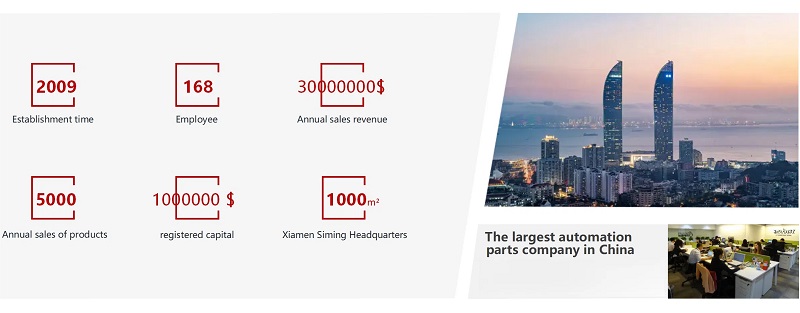
Excellent PLC Co., Ltd. has a large number of brand new and original PLC and DCS spare parts, with more than 60 cooperative countries. All products are guaranteed for 1 year and delivered to you by high-quality express. We are committed to using the best products and the most favorable prices to meet the needs and friendship of our customers. We have won the trust of thousands of customers, including these excellent customers.
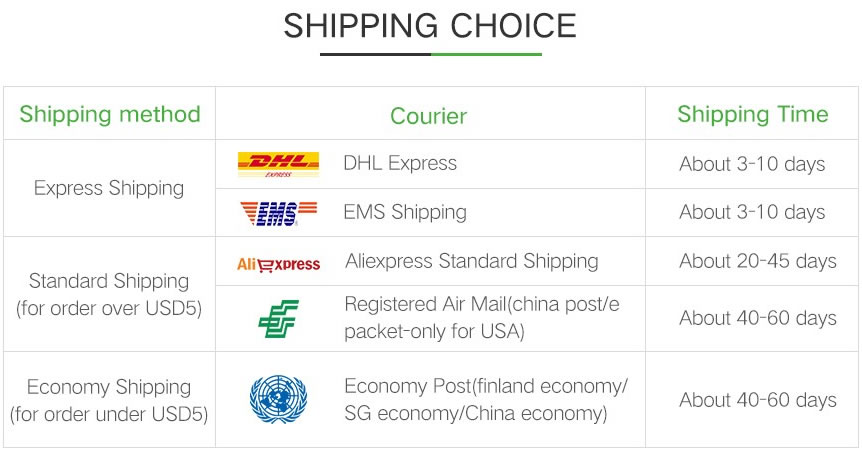
As for the delivery time, when we receive your order requirements, we will arrange for warehouse personnel to test and verify the products. After you place the order, we will send it to you within 24 hours.
Click to rate this post!
[Total: 0 Average: 0]