Excellent PLC


| Company Information | ||||||||
| [email protected] | ||||||||
| Mobile | +8613666033393 | |||||||
| +8613666033393 | ||||||||
| 13666033393 | ||||||||
| Add | Room 1004, No. 62 Xiangxiu Li, Siming District, Xiamen City, Fujian Province, China | |||||||
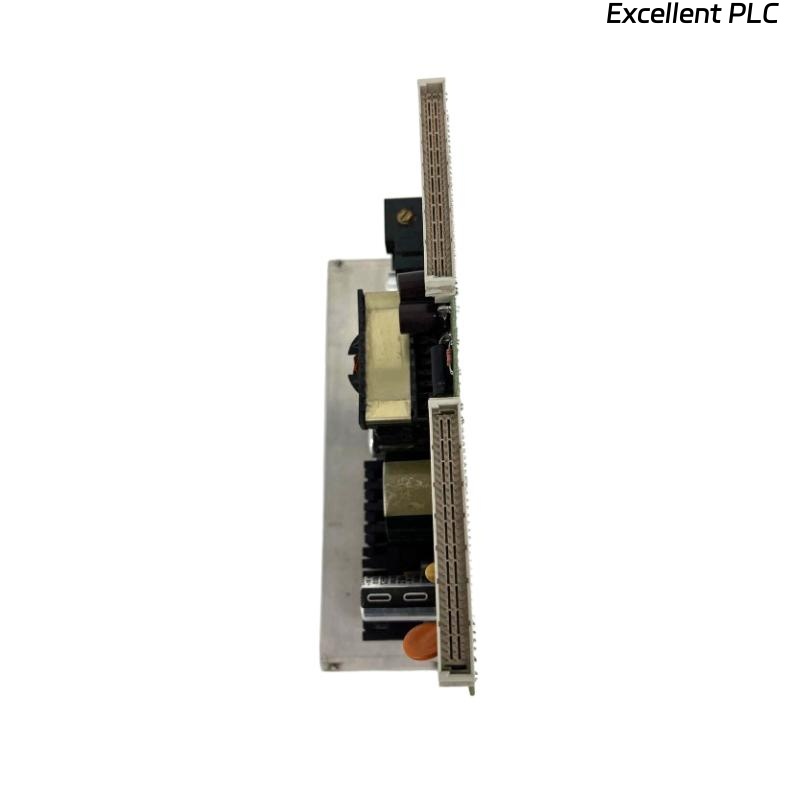
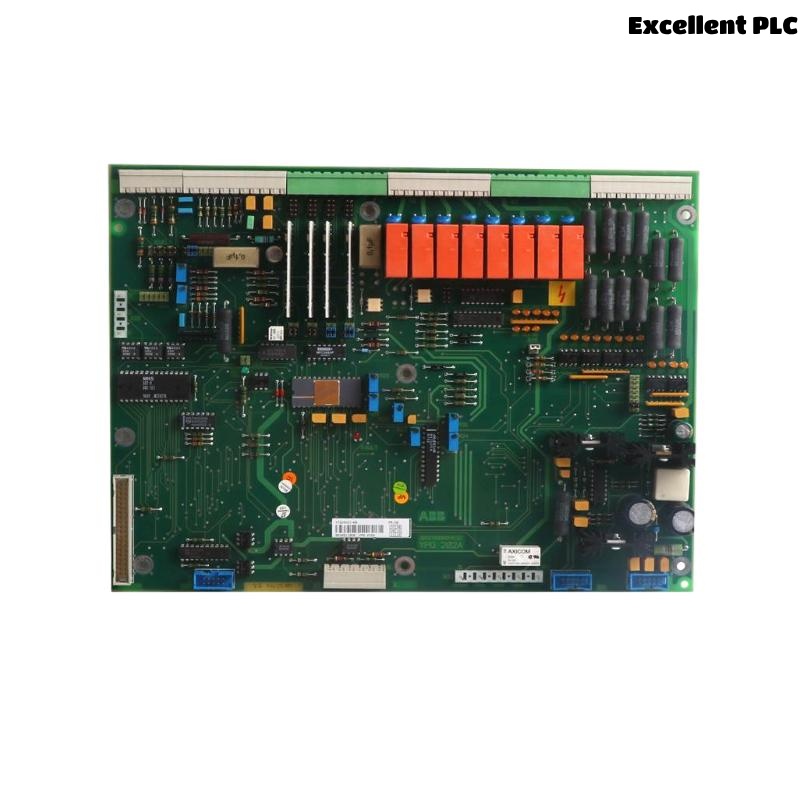
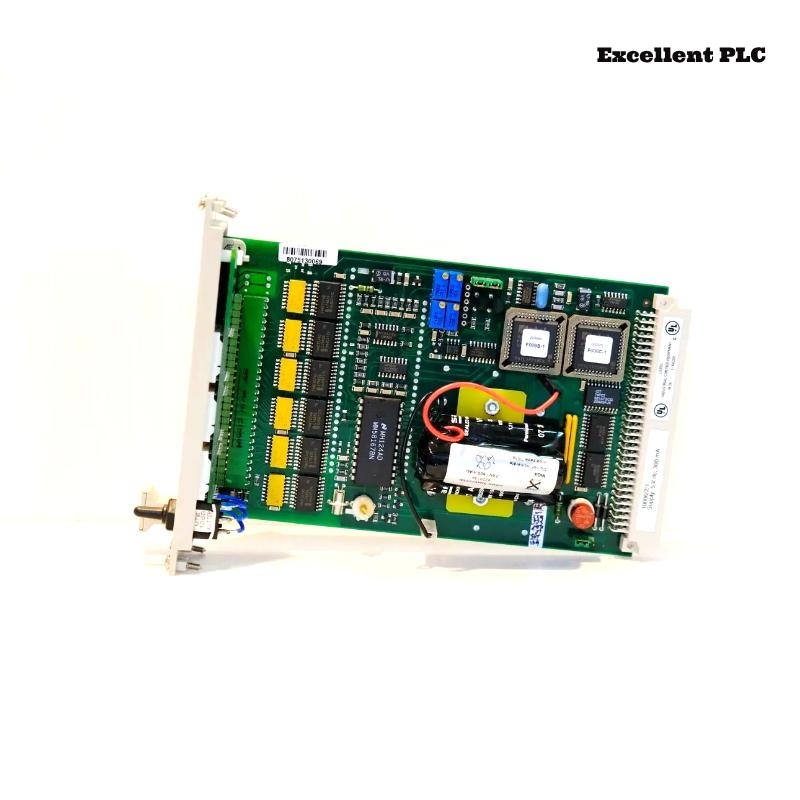
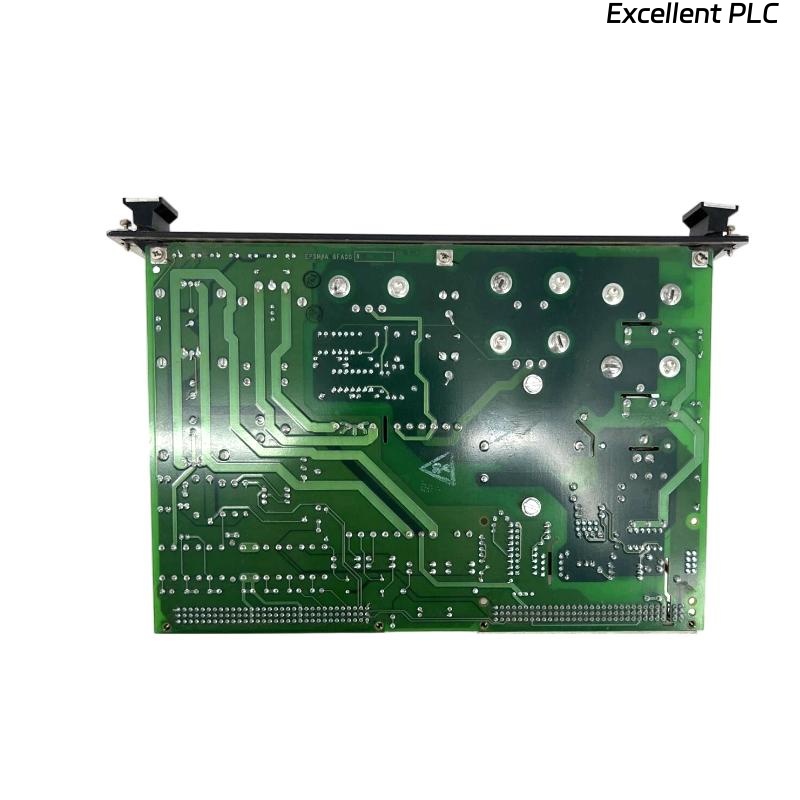
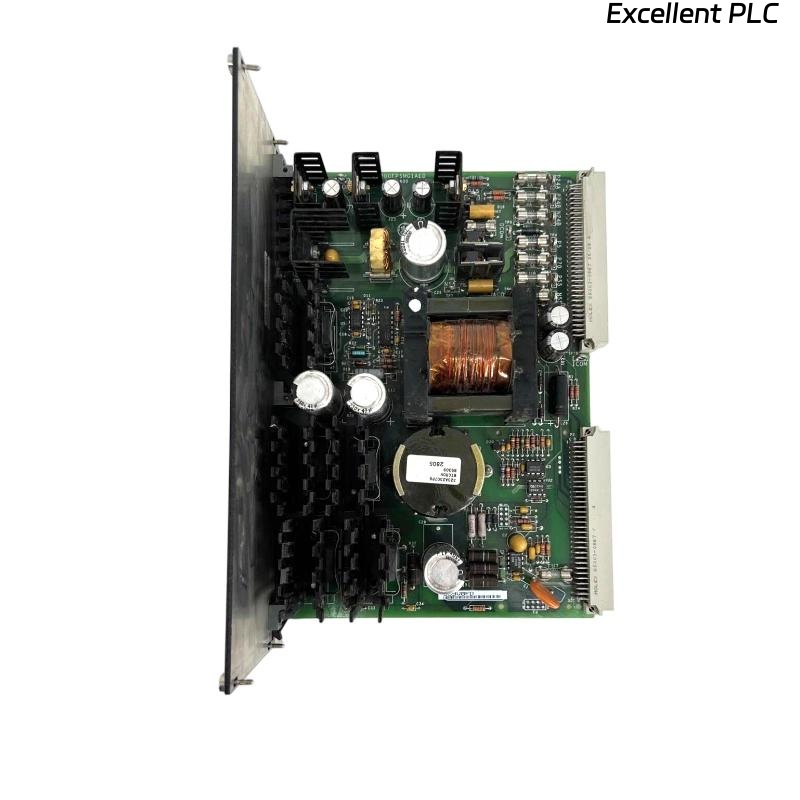
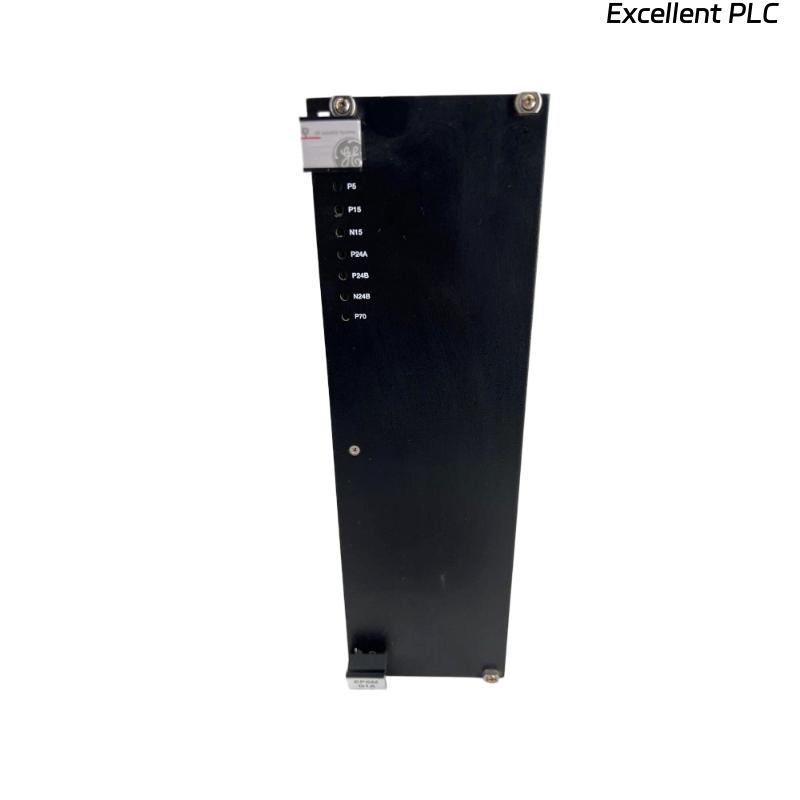
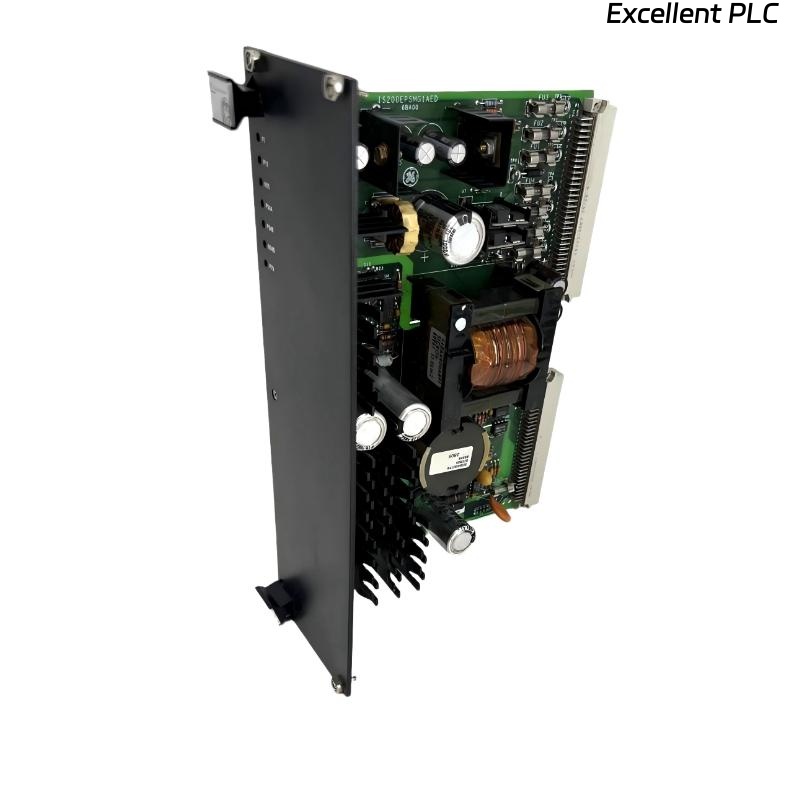
GE IS200EPSMG1AED Excitation Power Supply Module
- Product Details
- FAQs
- Related
- Contact Us
- Packing & Delivery
- Product Ratings
Abstract
The GE IS200EPSMG1AED is an excitation power supply module engineered for Mark VI/VIe systems, providing stable power to excitation control stages and related turbine subsystems. Its design reflects GE’s high-reliability philosophy, where controlled voltage delivery, fault tolerance and thermal robustness form the foundation of long-term operational consistency. As industrial machines move toward higher duty cycles and more stringent reliability requirements, modules such as the EPSM become essential infrastructure components rather than auxiliary hardware.
Technical Characteristics & Mechanical Format
| Specification | Details |
|---|---|
| Brand | GE |
| Model | IS200EPSMG1AED |
| Module Type | Excitation Power Supply Module |
| Power Output | Regulated low-voltage excitation supply |
| Input Requirements | Backplane-supplied AC/DC input (Mark VI/VIe standard feed) |
| Protective Features | Overload monitoring, thermal protection, voltage stabilization |
| System Compatibility | Mark VI / Mark VIe control platforms |
| Supported Functions | Excitation stage powering, auxiliary subsystem supply |
| PCB Structure | Multilayer industrial PCB with coated finish |
| Dimensions | 205 mm × 125 mm × 34 mm |
| Weight | 0.63 kg |
| Operating Temperature | –20°C to +65°C |
| Mounting Method | Standard rack installation |
Application Context
The IS200EPSMG1AED is typically positioned within excitation cabinets supporting steam turbine, gas turbine and large drive equipment. In these installations, its regulated voltage output feeds sensitive excitation electronics, ensuring field current control modules receive stable and noise-free power.
It is also frequently deployed in expansion and retrofit programs where consistent excitation power integrity is necessary to reduce ripple effects within the main control chain.
Engineering Advantages
What differentiates the EPSM module is its voltage stability under dynamic load conditions. When excitation systems experience demand spikes or rapid command shifts, the power supply’s regulation circuitry compensates without introducing noise or drift.
Its thermal design further protects the excitation stages from long-term stress, a critical factor for operators concerned with asset availability and maintenance budget optimization.
Technical FAQs
-
What does the IS200EPSMG1AED primarily support?
It provides regulated low-voltage power to excitation and auxiliary control stages. -
Is it compatible with older Mark V hardware?
No, it is intended for Mark VI/VIe architectures. -
Does it require firmware?
No, it operates purely as a hardware power module. -
What symptoms indicate failure?
Voltage instability, module overtemperature trips, or loss of excitation power. -
Can the unit operate near high-heat components?
Yes, within specified cabinet limits and maintained airflow. -
Is redundancy supported?
Redundant configurations are possible depending on cabinet design. -
Does it output multiple voltage rails?
It provides required regulated outputs specific to the excitation subsystem. -
Is hot-swapping allowed?
No, system power must be isolated before replacement. -
How long is its expected service life?
More than 10 years under typical industrial usage. -
Can it be field-repaired?
Component-level repair is not recommended; module replacement is standard.
Related Recommended Models
| Model | Description |
|---|---|
| IS200EPSMG1AEB | Similar excitation power module, alternate revision |
| IS200EPDMG1AAB | Power distribution module for excitation chains |
| IS200EXCSG1AAA | Excitation control and sensing module |
Popular GE Modules Frequently Used in Excitation Systems
| Model | Category / Function |
|---|---|
| IS200BAIAH1BEE | Analog input conditioning module |
| IS200DSPXH1DBC | Digital signal processor module |
| IS200IGPAG2AED | IGBT gate protection module |
| IS200RCSBG1BAA | Current sensing module |
| IS200TBAOH1CCB | Analog terminal assembly module |

| Company Information | ||||||||
| [email protected] | ||||||||
| Mobile | +8613666033393 | |||||||
| +8613666033393 | ||||||||
| 13666033393 | ||||||||
| Add | Room 1004, No. 62 Xiangxiu Li, Siming District, Xiamen City, Fujian Province, China | |||||||
Excellent PLC Co., Ltd. has a large number of brand new and original PLC and DCS spare parts, with more than 60 cooperative countries. All products are guaranteed for 1 year and delivered to you by high-quality express. We are committed to using the best products and the most favorable prices to meet the needs and friendship of our customers. We have won the trust of thousands of customers, including these excellent customers.

As for the delivery time, when we receive your order requirements, we will arrange for warehouse personnel to test and verify the products. After you place the order, we will send it to you within 24 hours.
Click to rate this post!
[Total: 0 Average: 0]