 Excellent PLC


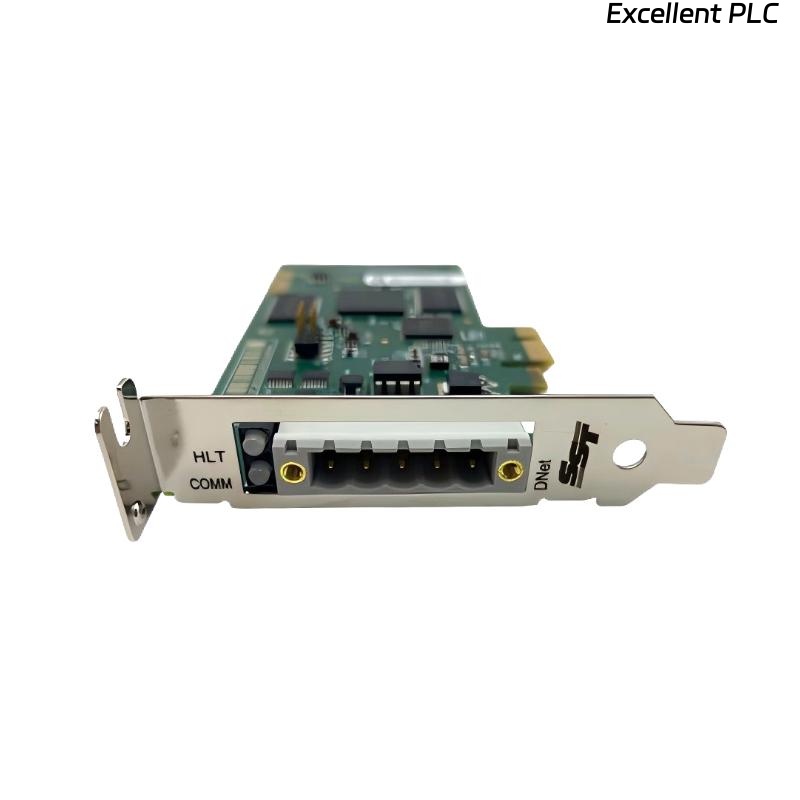
The ABB 07 AA 60 R1 (GJV3074365R1) is a classic analog output module used in many ABB control systems where long cable runs and mixed actuator types are common.
In daily operation, this module rarely fails catastrophically. Instead, it fails politely—by drifting, saturating, or quietly losing authority.
That is exactly why it causes trouble.
How Problems Usually Appear (Not as “Module Fault”)
Field engineers rarely see a clean “AO module error” alarm.
What they see instead:
-
Valve position no longer matches command
-
Output stuck at a mid-scale value after restart
-
Manual mode works, automatic mode doesn’t
-
Output measures correctly with no load, but collapses when connected
-
Two channels behave differently under identical configuration
These symptoms often trigger actuator replacement before the AO module is questioned.
The Real Stress Points Inside the Module
From failure analysis and refurbishment experience, the weak points are consistent:
-
Output driver stages stressed by low-impedance loads
-
Reference voltage drift due to thermal aging
-
Channel isolation degradation after wiring faults
-
Protection components damaged by inductive kickback
Analog output modules usually fail because the field asks more than the module was designed to give.
One Mistake That Kills AO Modules Quietly
Connecting an external powered signal to an active output.
It happens during commissioning more often than people admit.
The module may survive electrically, but its output stage is never the same afterward.
Drift and instability follow weeks or months later.
By the time symptoms appear, the wiring mistake is forgotten.
Before You Replace the Module, Check This
Experienced engineers always verify the following first:
-
Output type (current or voltage) matches actuator input
-
Load impedance within ABB specification
-
No shared commons creating hidden return paths
-
Shield grounded at one end only
-
No external supply feeding back into the output
A surprising number of “bad modules” recover once the load problem is removed.
Installation and Replacement — What Actually Matters
When installing or replacing a 07 AA 60 R1:
-
Power down the I/O rack completely
-
Discharge field wiring (especially inductive loads)
-
Use ESD protection
-
Insert the module straight—do not flex the backplane
-
Tighten terminals evenly to avoid reference imbalance
-
Reconnect field wiring only after visual verification
Hot-swapping analog outputs is a fast way to create intermittent faults.
Typical Output Configuration (Conceptual Example)
In ABB engineering tools, configuration is platform-specific, but the logic is universal.
Example:
Key points engineers often miss:
-
Failsafe value must match process safety philosophy
-
Engineering range does not protect against electrical overload
-
Cyclic updates expose weak output stages faster than static signals
Basic Output Validation Logic (Highly Recommended)
To detect silent AO degradation, add validation logic in the application:
Where feedback is derived from position or secondary measurement.
This logic catches output collapse early—before operators compensate manually.
Commissioning Test That Actually Means Something
Instead of just forcing 0% and 100%, do this:
-
Step output in small increments
-
Observe actuator response lag and repeatability
-
Measure output under real load, not open circuit
-
Cycle power and repeat test
Modules with marginal drivers often pass static tests and fail dynamic ones.
Repair or Replace?
In real projects:
-
Output driver damage → replace
-
Reference drift → replace
-
Terminal issues → may be refurbishable
-
Safety or critical loops → always replace
Analog output modules are rarely worth component-level repair unless used in non-critical service.
Practical Field Conclusion
The ABB 07 AA 60 R1 does not usually “die”.
It loses authority.
And analog outputs without authority are dangerous because the process still appears controllable—until it isn’t.
Treat every unexplained drift as an electrical warning, not a tuning problem.