 Excellent PLC


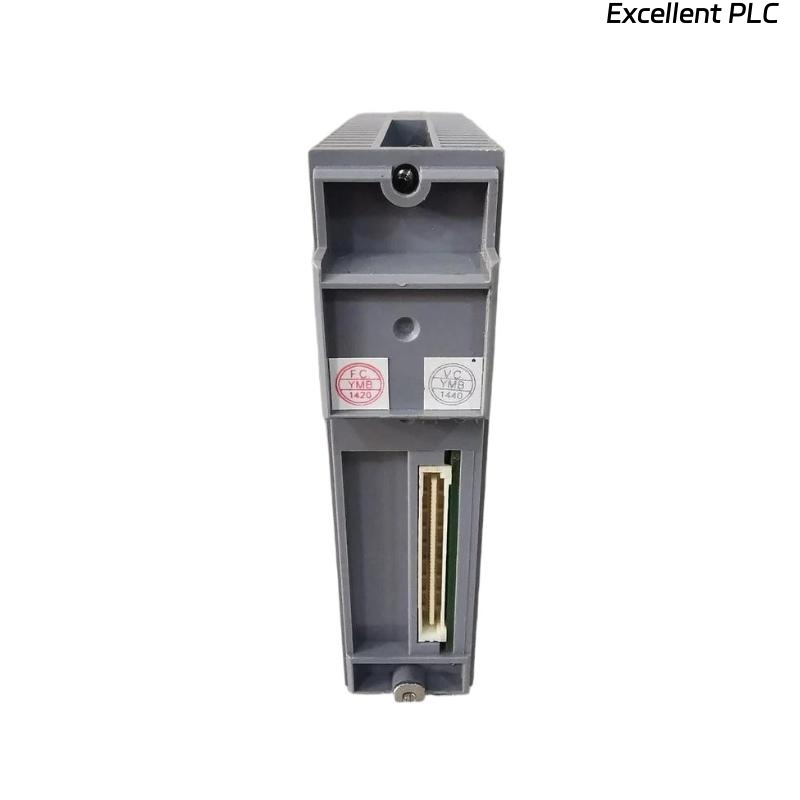
Water damage in control systems doesn’t always come from dramatic floods. In many industrial plants, the most common moisture-related failures originate from condensation, leaking HVAC ducts, or incorrect cabinet sealing after maintenance. This case study documents how a Yokogawa EB511 bus interface module failed due to gradual water ingress and what was observed during inspection.
1. Incident Background
-
Module: Yokogawa EB511 Bus Interface Module
-
Location: Non-climate-controlled auxiliary building
-
Ambient humidity: 72–86% RH (recorded over 10 days)
-
Root cause: HVAC drain pipe condensation dripping onto the cabinet
-
Exposure duration: Estimated 3–5 days of intermittent moisture
Initially, operators only reported periodic communication drops and retries, not a full module failure.
2. Failure Symptoms Before Shutdown
During the week leading to failure, the DCS system logged the following:
| Parameter | Normal | Observed |
|---|---|---|
| Frame retries | <0.1% | 3–6% |
| CRC errors | <0.05% | ~1.1% |
| Station dropouts | None | 3–12 per shift |
| Bus voltage | 5.02 V | 4.72–4.81 V fluctuating |
At the hardware level:
-
The ERR LED remained off most of the time
-
The RUN LED flickered irregularly (not normal timing)
-
Occasional silent halts requiring power-cycle recovery
3. Inspection Findings After Shutdown
Upon cabinet opening, technicians discovered visible water droplets on internal surfaces and a streak directly above the EB511 module.
Key findings:
3.1 PCB Contamination
-
White residue near connectors (typical mineral deposits)
-
Corrosion marks around bus driver IC pins
-
Two oxidation spots under conformal coating
-
Thin moisture film near edge connectors
3.2 Connector Damage
Multimeter readings (post drying):
-
BUS+ to BUS– leakage: 450 kΩ (should be >20 MΩ)
-
Shield to ground: 2.3 MΩ (should be >10 MΩ)
This indicated conductive contamination caused by dissolved ions.
3.3 Short Event Evidence
Technicians found a blown transient suppression diode near bus input stage.
The short event likely occurred when moisture bridged multiple pins during operation.
4. Emergency Field Recovery Attempt
Technicians attempted a non-destructive cleaning procedure:
-
Removed module from cabinet
-
Dried for 8 hours at 55°C
-
Performed IPA cleaning around exposed terminals
-
Brushed off mineral deposits
-
Dried again for 4 hours at 65°C
After drying, leakage values improved significantly:
| Measurement | Before | After |
|---|---|---|
| BUS+ ↔ BUS– | 450 kΩ | 12.6 MΩ |
| Shield ↔ GND | 2.3 MΩ | 18.8 MΩ |
5. Power-Up Test Results
On isolated bench test:
-
Module powered correctly
-
Communication started, but unstable
-
CRC stabilized at 0.7–0.9% (still too high)
-
Temperature remained normal (36–42°C)
Verdict: Module can power and communicate, but cannot be trusted for continuous fieldbus operation.
6. Root Cause Analysis
The failure mechanism was determined as:
Condensation → Mineralized moisture → Conductive bridge → Short event → Component degradation
HVAC condensation dripping onto cabinet was confirmed via dye testing of drainage line.
Contributing factors included:
-
No cabinet heater
-
No silica gel packs
-
Cabinet door not fully sealed after previous maintenance
-
Absence of drip shield above sensitive electronics
7. Field Recommendations
For plant operation:
✔ Replace EB511 instead of continued reuse
✔ Install cabinet heaters set at +2 to +5°C above dew point
✔ Add drip trays above control electronics if HVAC pipes run overhead
✔ Add silica gel or desiccant packs
✔ Verify door gasket integrity
✔ Install humidity sensors in non-climate-controlled buildings
For maintenance planning:
✔ Inspect conformal coating condition during yearly shutdown
✔ Log humidity levels above 65% RH for risk alerts
✔ Train electricians to check HVAC drainage during PM rounds
8. Closing Notes
Water damage to bus interface hardware rarely kills the module instantly; it slowly degrades insulation and increases conductive paths until a transient causes a short. EB511 modules are robust, but they are not designed to operate with wet or ionic contamination.
Preventing moisture intrusion is significantly cheaper than replacing fieldbus hardware, and in this incident, humidity control would have eliminated every symptom seen in the logs.