 Excellent PLC


1. Incident Overview
-
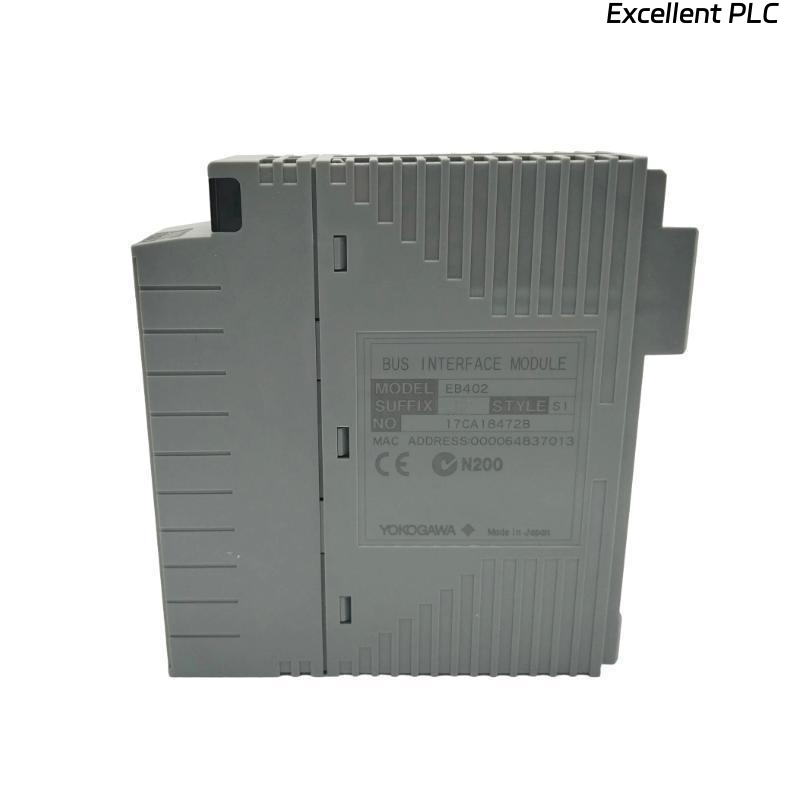
Device: Yokogawa EB402 Bus Interface Module
-
System: DCS I/O System
-
Location: Control Room 2, Manufacturing Line #4
-
Event Type: High-voltage surge (possibly lightning strike or induction from nearby equipment startup)
-
Result: Communication loss, module failure
-
Date: 2025-06-19
-
Duration: Immediate failure after surge event
2. Incident Timeline
| Time | Event |
|---|---|
| 14:33 | Surge event detected via plant SCADA (voltage spike) |
| 14:34 | EB402 module loses communication (I/O timeout) |
| 14:36 | Offline bus alarms raised by DCS |
| 14:40 | Technician dispatched, EB402 status check shows no response |
| 14:50 | Power reset attempted, no recovery |
| 15:00 | Replacement module installed |
The surge lasted <200ms, but its impact on sensitive electronic components like the transceivers and power regulation circuitry was immediate and irreversible.
3. Surge Event Characteristics
The power surge originated from a nearby high-power motor startup in an adjacent control panel, which generated voltage spikes through the shared power bus. Our power quality logs showed a 5kV peak voltage surge on the main AC line.
| Time | AC Voltage | Surge Voltage (Peak) | Duration |
|---|---|---|---|
| 14:33:00 | 220V | 5kV | <200ms |
The EB402 module, connected directly to this power line, experienced overvoltage at its DC input and backplane communication bus.
4. Failure Mechanism
Surge voltage exceeded the rated protection thresholds of the EB402 module, leading to:
-
Overvoltage stress on internal capacitors, causing breakdown of dielectric material
-
Damage to bus transceiver IC, leading to signal integrity loss
-
Electromagnetic interference (EMI) impacted clock and sync lines, causing communication failure across the entire I/O rack
Module-specific vulnerabilities:
-
Transceiver ICs: Rated for a max of 3.3V, exceeded during surge, permanently damaged
-
Input Power Regulation Circuitry: Capacitors suffered voltage breakdown, unable to hold regulated output
-
Communication Bus: EMI from surge corrupted data signals, leading to irreversible loss of integrity
5. Diagnostic Analysis
After failure, diagnostic tests were run using the following Python script to monitor bus errors:
Result:
This confirmed that the communication layer was completely compromised due to the surge, with no bus communication possible.
6. Repair Process and Module Replacement
The steps taken to replace and restore operation:
-
Isolate power to affected I/O shelf (AC and DC)
-
Remove EB402 module (check for burnt components on connectors and board)
-
Install replacement module
-
Verify power supply voltage stability and current limits
-
Verify bus communication using diagnostic tools
-
Reconnect and monitor system for 48 hours
Post-replacement diagnostic results:
| Parameter | Before Surge | After Replacement |
|---|---|---|
| Bus Communication | Offline | Active, no errors |
| Transceiver IC | Damaged | Operational |
| Bus Signal Integrity | N/A | <2% error rate |
7. Protective Measures and Recommendations
To prevent such failures in the future, the following protective measures were recommended:
Surge Protection
-
Install surge protectors on both AC input power lines and communication buses.
-
Use metal oxide varistors (MOVs) and gas discharge tubes for AC power line protection.
-
Install surge protectors on the I/O backplane, particularly around the high-speed communication lines.
System Monitoring
-
Add surge detection circuits to the system, logging any overvoltage events.
-
Regularly monitor power quality using dedicated tools (such as power analyzers).
Regular Inspections
-
Replace aging capacitors regularly in high-power environments.
-
Schedule preventive maintenance every 18 months, with special focus on surge protection modules.
8. Conclusion
This case highlights the importance of surge protection and the fragility of digital communication modules when exposed to high-voltage events. A simple surge event—lasting less than 200ms—caused significant damage to the Yokogawa EB402 module. By implementing surge protectors and monitoring power quality, future incidents of this nature can be avoided, preventing both downtime and equipment damage.