 Excellent PLC


1. Introduction
Although Yokogawa CP471 processor modules are designed for industrial environments, their reliability still depends heavily on proper environmental control. A recurrent but often overlooked cause of controller malfunction is condensation buildup inside control cabinets, especially in facilities with temperature swings, high humidity, or improperly regulated HVAC systems. This article investigates a case where condensation caused intermittent failures in a CP471-based DCS, analyzes contributing factors, and recommends preventive measures.
2. Case Overview
Facility Type: Food processing plant with washdown areas
Ambient Conditions: High humidity (60–95%) with rapid temperature cycling
Cabinet Specification: Mild steel control cabinet, IP42 front, passive ventilation
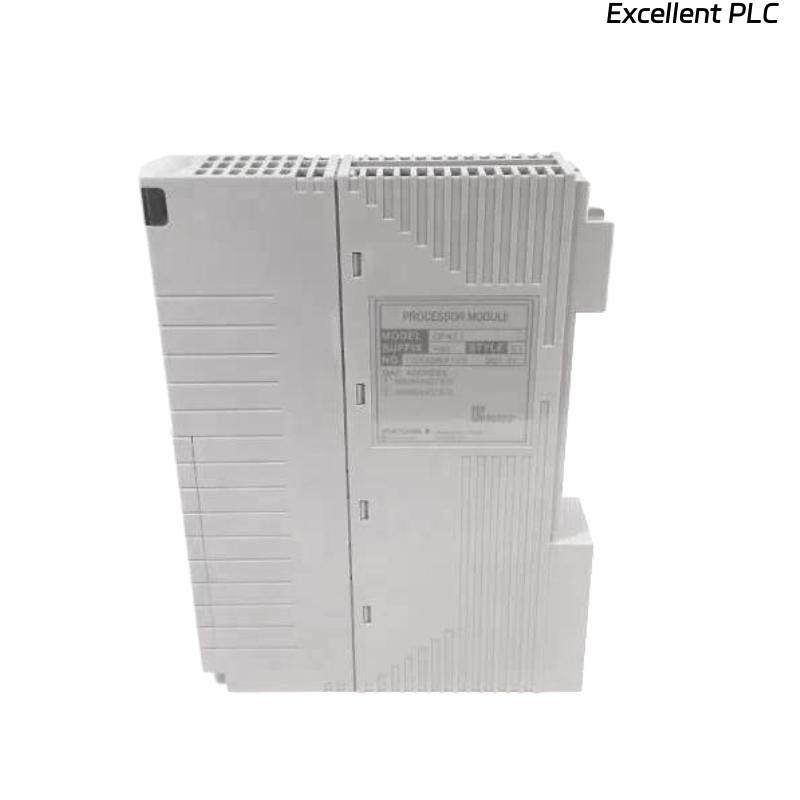
Controller Installed: Yokogawa CP471 processor module with Vnet/IP interface
Operators reported intermittent loss of communication, random system resets, and sporadic CPU alarms during night shifts, particularly after sanitation operations.
3. Symptoms Observed
System logs showed the following anomalies:
These failures occurred in short bursts and resolved spontaneously, making diagnosis difficult.
4. Root Cause Investigation
On-site inspection identified the following issues:
A. Condensation Droplets on Backplane and Terminal Blocks
When technicians opened the cabinet in the morning, visible water droplets were observed:
✔ On terminal strips
✔ On backplane mounting rails
✔ Adjacent to CP471 communication connectors
No direct splash ingress occurred; instead, droplets accumulated overnight.
B. Temperature Swing Between Shifts
Sanitation crews used hot water during the night, raising ambient humidity. After shutdown, cooling caused air inside the cabinet to reach dew point, creating condensation.
Measured parameters:
| Parameter | Daytime | Nighttime |
|---|---|---|
| Humidity | 58% | 94% |
| Ambient Temp | 29°C | 16°C |
| Cabinet Temp | 32°C | 16.5°C |
| Dew Point | ~21°C | ~15.4°C |
Nighttime cabinet temperature fell below dew point → water condensation formed inside the panel.
C. Inadequate Cabinet Climate Control
The cabinet lacked:
-
Anti-condensation heaters
-
Active dehumidification
-
Thermal insulation
-
Positive pressure control
Ventilation openings allowed moist air ingress, but not enough heat to prevent dew formation.
D. Impact on the CP471 Module
Condensation affected CP471 operation through:
✔ Micro-corrosion of edge connectors
✔ Temporary leakage currents across PCB surfaces
✔ Signal noise on Vnet/IP communication lines
✔ Reduced insulation resistance on terminal blocks
No catastrophic short-circuit occurred, but cumulative degradation caused sporadic resets and communication faults.
5. Repair & Mitigation Actions
Technicians implemented a multi-step remediation plan:
(1) Cabinet Drying & Cleaning
-
Warm air purge applied
-
Alcohol cleaning for terminal blocks
-
Deoxidizing agent applied to connectors
(2) Installation of Anti-Condensation Heaters
Panel heaters with humidity-controlled thermostats installed:
(3) Addition of Hydrophobic Filters
Replaced passive vents with IP54 hydrophobic membrane vents.
(4) Cabinet Sealing Improvements
-
Upgraded gaskets
-
Closed unused knockouts
-
Improved cable gland sealing
(5) Environmental Monitoring
A panel-mounted humidity/temperature sensor with alarm logging was integrated into SCADA.
6. Long-Term Preventive Measures
To prevent recurrence, plants should adopt:
✔ Environmental Cabinet Design Best Practices
-
Minimum IP54 for humid environments
-
PTFE or GORE-TEX vents for pressure equalization
-
Conformal coating for high-risk electronics
✔ Temperature & Humidity Management
-
Cabinet heaters
-
Dehumidifiers in MCC/PLC rooms
-
Chilled air insulation to prevent condensation
✔ Maintenance Procedures
-
Quarterly gasket inspection
-
Annual connector reseating
-
Cleaning of ventilation filters
-
Humidity trend analysis via SCADA
✔ Organizational Controls
-
HVAC system maintenance contracts
-
Downtime coordination with sanitation teams
-
Environmental risk assessments
7. Key Takeaways
-
The CP471 module was not defective; condensation-induced micro-faults caused system instability.
-
Dew point control is critical in industrial cabinets exposed to washdown, seasonal humidity, or temperature cycling.
-
Proper cabinet climate management dramatically improves DCS reliability.
-
Adding heaters and hydrophobic venting is a low-cost, high-impact solution.
8. Conclusion
Environmental conditions remain one of the most underestimated reliability factors in industrial automation. Preventing condensation inside control panels reduces corrosion, leakage currents, and communication instability in Yokogawa CP471 systems. With appropriate cabinet design and maintenance policies, facilities can ensure stable DCS operation even in hostile production environments.