Excellent PLC




Product Introduction
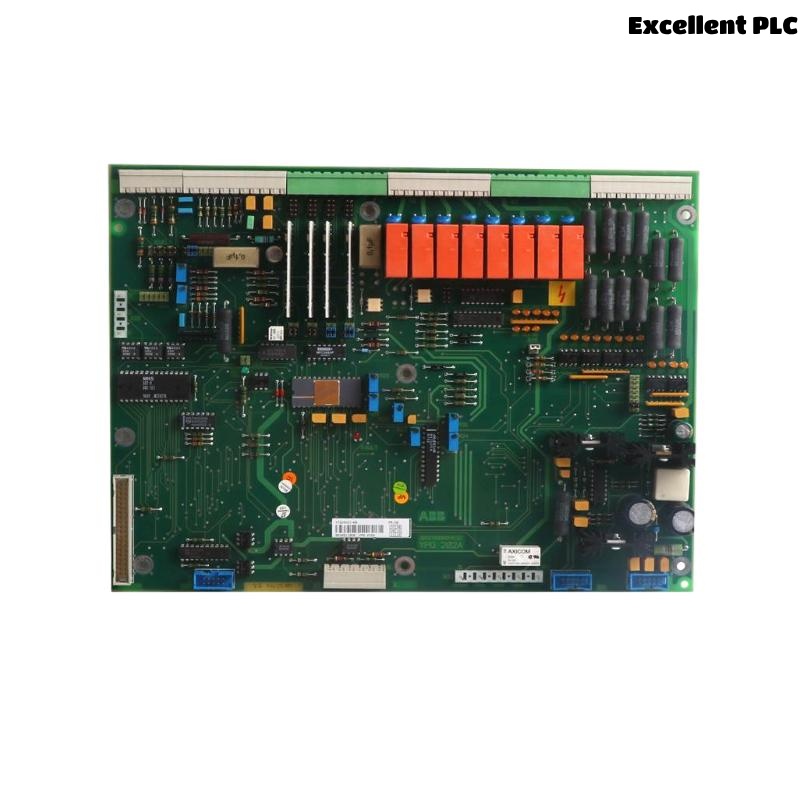
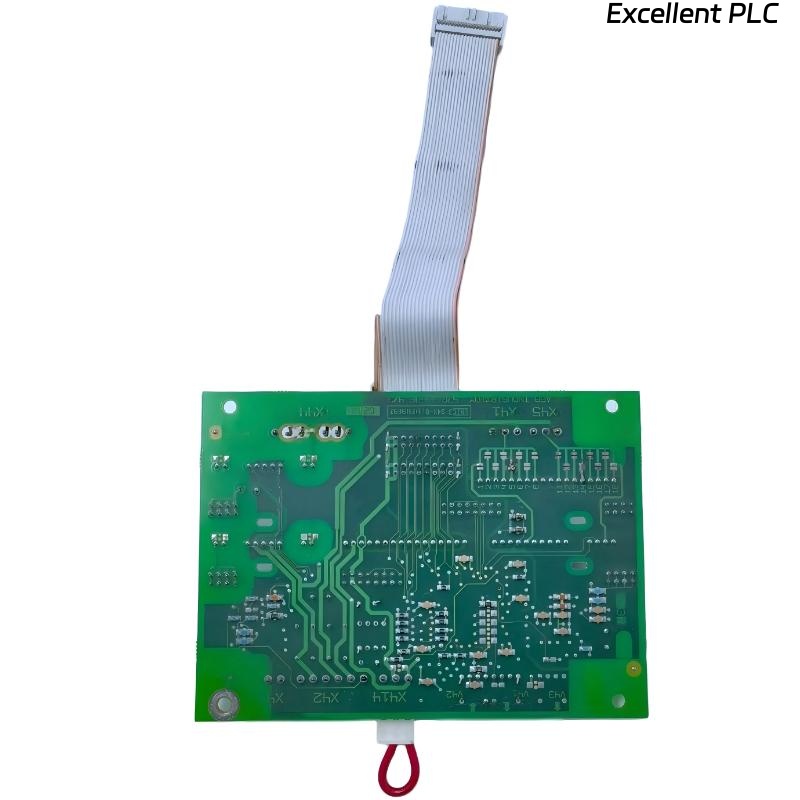
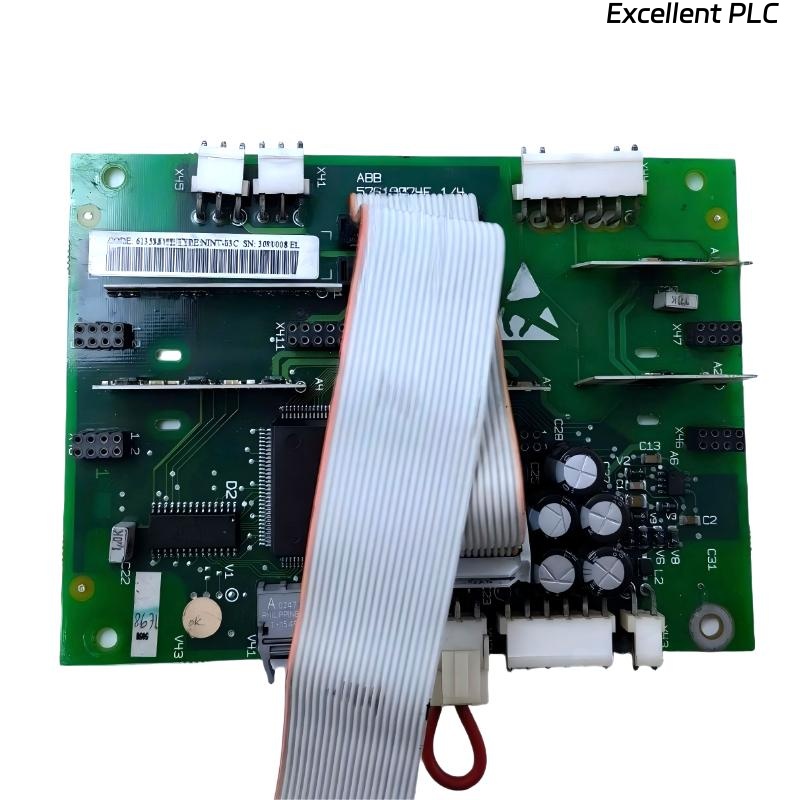
The ABB NINT-63C 61353330 Inverter Amplifying Board is a specialized electronic control board used in industrial inverter and drive systems. Developed by ABB, this board plays a critical role in amplifying and conditioning control signals within inverter circuits, ensuring that switching commands and feedback signals are transmitted accurately between the drive controller and the power stage. Its design supports stable operation of high-performance motor drive systems used in demanding industrial environments.
Within modern variable frequency drives and inverter-based power control systems, signal amplification and processing are essential for maintaining precise control of semiconductor switching devices. The NINT-63C board performs this function by strengthening and stabilizing low-level control signals generated by the control processor before they reach the inverter power modules. This process ensures reliable triggering of power components and improves overall drive response.
The board is commonly installed inside ABB inverter systems where it operates as part of the drive’s internal signal processing architecture. By amplifying and conditioning control signals, it helps maintain stable switching sequences within the inverter stage. This is particularly important in high-power drive systems where accurate signal timing directly affects motor performance, efficiency, and system safety.
Designed with industrial-grade components and a compact circuit layout, the NINT-63C inverter amplifying board can operate reliably in environments with electrical noise, temperature fluctuations, and continuous operational demands. Its integration into ABB drive platforms enables smooth communication between control electronics and power conversion modules, helping maintain stable motor control and efficient energy conversion.
Product Specifications
| Parameter | Value |
|---|---|
| Product Model | NINT-63C |
| Part Number | 61353330 |
| Manufacturer | ABB |
| Product Type | Inverter Amplifying Board |
| Primary Function | Amplification and conditioning of inverter control signals |
| Application System | Industrial inverter and variable frequency drive systems |
| Signal Processing Type | Control signal amplification and transmission |
| Circuit Structure | Industrial-grade printed circuit board |
| System Integration | Installed within ABB inverter and drive platforms |
| Operating Environment | Industrial automation and motor control cabinets |
| Installation Method | Internal mounting within drive assemblies |
| Dimensions | 180 × 35 × 130 mm |
| Weight | 0.15 kg |
Applications
• Industrial variable frequency drives (VFDs) where amplified control signals are required to drive inverter power modules accurately.
• AC motor speed control systems used in manufacturing, processing plants, and automated production lines.
• Power inverter equipment used to convert DC power into controlled AC output for industrial motors.
• Heavy-duty conveyor and material handling systems that rely on stable inverter operation for continuous motor performance.
• Industrial pumping and compressor systems where inverter drives regulate motor speed and optimize energy efficiency.
• Power electronics cabinets used in industrial automation environments where multiple control boards coordinate inverter operation.
• Large-scale processing facilities including petrochemical, metallurgy, and mining industries where high-power drives are commonly deployed.
Advantages
• Reliable signal amplification capability ensuring that inverter switching commands are transmitted with strong and stable signal levels.
• High compatibility with ABB drive systems allowing seamless integration with existing inverter control architectures.
• Industrial-grade electronic components designed to maintain consistent performance in environments with vibration and electrical noise.
• Compact board structure enabling installation within tightly integrated drive cabinets and inverter assemblies.
• Improved inverter response performance through precise signal conditioning and timing stabilization.
• Enhanced operational stability by reducing the risk of signal distortion within complex drive circuits.
• Optimized communication between controller and power stage which supports efficient motor control and system reliability.
• Modular maintenance capability allowing the board to be replaced easily during drive system servicing.