 Excellent PLC


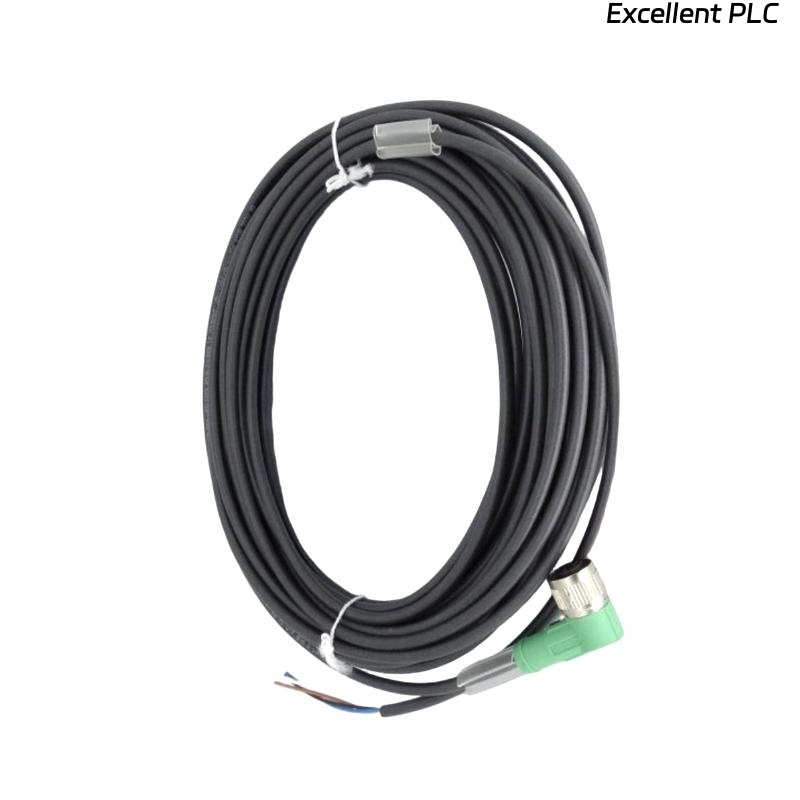
Bently Nevada 119M6509-01 Installation Guide (Advanced Setup & Commissioning)
Table of Contents
- Overview of Bently Nevada 119M6509-01
- Application and System Role
- Pre-Installation Preparation
- Mechanical Installation Best Practices
- Signal Wiring and Grounding Design
- System Integration and Configuration
- Commissioning and Signal Validation
- Performance Optimization
- Industrial Application Case
- Installation FAQ
- Final Recommendations
Overview of Bently Nevada 119M6509-01
The Bently Nevada 119M6509-01 is a high-performance vibration monitoring component used in critical rotating machinery protection systems. It is typically deployed in turbines, compressors, and motors where accurate vibration detection is essential for safe operation.
Installation quality plays a decisive role in signal accuracy and system reliability. Improper setup can lead to signal distortion, false alarms, or missed fault conditions.
Application and System Role
- Steam and gas turbine monitoring
- Industrial compressor protection systems
- High-speed motor vibration analysis
- Gearbox condition monitoring
The device acts as a key signal acquisition element within predictive maintenance and protection systems.
Pre-Installation Preparation
- Verify model compatibility with monitoring system (e.g., 3500 series)
- Inspect device and cable condition
- Prepare rigid and clean mounting surface
- Ensure proper installation tools and torque specifications
Proper preparation reduces commissioning time and improves installation quality.
Mechanical Installation Best Practices
Mechanical mounting is the most critical factor affecting measurement accuracy:
- Use rigid mounting (stud or fixed bracket)
- Ensure direct metal-to-metal contact
- Remove paint, rust, or debris before installation
  // Mounting Validation
  IF Surface_Not_Rigid THEN
     Reinforce_Mounting_Point;
  END_IF;
Poor mounting can introduce resonance effects and lead to incorrect vibration readings.
Signal Wiring and Grounding Design
- Use shielded twisted-pair cables
- Ground shield at one end only
- Maintain distance from power cables (>300 mm)
Incorrect wiring is a major source of signal noise and instability in industrial environments.
System Integration and Configuration
- Match signal type (4–20 mA or voltage input)
- Configure scaling and engineering units
- Set alarm and trip thresholds based on machine standards
Misconfiguration may result in false trips or undetected faults.
Commissioning and Signal Validation
- Measure baseline vibration under no-load condition
- Compare readings with portable vibration analyzer
- Monitor signal stability over time
A stable signal with minimal fluctuation confirms correct installation.
Performance Optimization
- Optimize sensor placement for maximum sensitivity
- Minimize cable length to reduce noise pickup
- Periodically check mounting integrity
Continuous optimization ensures long-term monitoring reliability.
Industrial Application Case
In a refinery compressor system, abnormal vibration readings were detected after installation.
- Mounting surface was uneven
- Cable routed near high-voltage motor cable
After correcting mounting and rerouting cables, vibration readings stabilized and aligned with analyzer data.
Installation FAQ
What is the most important factor when installing Bently Nevada 119M6509-01?
The most critical factor is rigid and proper mechanical mounting, ensuring accurate vibration transmission.
Why is signal shielding necessary?
Shielding prevents electromagnetic interference, which can distort vibration signals.
How can installation accuracy be verified?
By comparing readings with a calibrated portable analyzer and checking signal stability over time.
Final Recommendations
The Bently Nevada 119M6509-01 requires precise installation practices including proper mounting, correct wiring, and accurate configuration. These factors ensure reliable vibration monitoring and long-term equipment protection.