 Excellent PLC


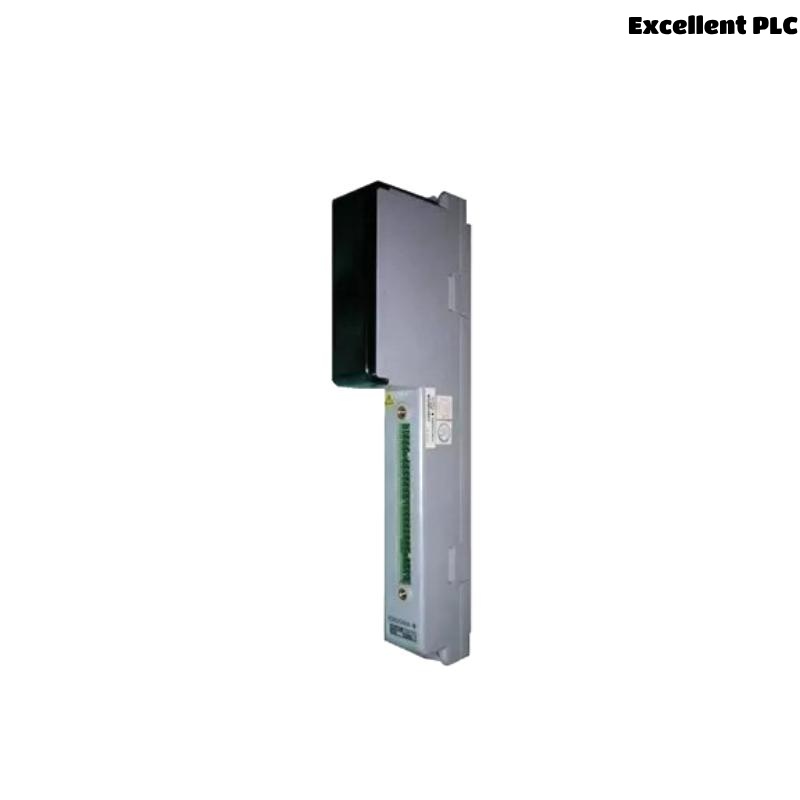
The Yokogawa AMM32C RTD Input Multiplexer Module is a 16-channel connector-type resistance temperature input module used in Yokogawa CENTUM CS and CENTUM VP Distributed Control Systems (DCS). The module acquires multiple Resistance Temperature Detector (RTD) signals through multiplexing technology and converts resistance values into accurate digital temperature measurements for process monitoring and control. It is widely used in power generation, petrochemical plants, oil and gas facilities, pharmaceutical production, water treatment, and other industrial automation systems requiring reliable multi-point temperature measurement. Stable operation depends on correct RTD wiring, proper sensor configuration, secure connector installation, effective shielding and grounding, and healthy module electronics. This guide provides a systematic troubleshooting procedure for diagnosing AMM32C faults and restoring accurate temperature measurement.
Contents
- 1. Understanding Module Faults
- 2. Common Failure Symptoms
- 3. Typical Causes
- 4. Initial Hardware Inspection
- 5. RTD Signal Verification
- 6. Diagnostic Analysis
- 7. Recommended Troubleshooting Workflow
- 8. Corrective Actions
- 9. Functional Recovery Verification
- 10. Preventive Maintenance
- 11. Industrial Maintenance Case
- 12. Frequently Asked Questions
Understanding Module Faults
The AMM32C continuously scans up to sixteen RTD channels and converts sensor resistance into digital temperature values. Accurate measurements require the correct RTD sensor type configuration, proper wiring, secure connector engagement, low-resistance field connections, stable grounding, and correct controller configuration. Temperature measurement problems commonly result from open RTD circuits, incorrect wiring, excessive lead resistance, damaged connectors, electrical interference, or internal module hardware failures.
Common Failure Symptoms
- No temperature reading.
- Temperature remains fixed.
- Incorrect temperature indication.
- Unstable or fluctuating temperature values.
- Open RTD alarm.
- Multiple channel failures.
- Intermittent measurement interruptions.
- Module diagnostic alarms.
Typical Causes
- Open RTD sensor circuit.
- Incorrect RTD wiring.
- Wrong RTD type configured.
- Loose connector engagement.
- Excessive lead wire resistance.
- Poor cable shielding or grounding.
- Electrical interference (EMI).
- Internal AMM32C hardware failure.
Initial Hardware Inspection
- Verify the AMM32C is fully seated in the I/O slot.
- Inspect the connector for proper locking.
- Check RTD wiring and cable condition.
- Verify controller power supply status.
- Inspect module diagnostic indicators.
RTD Signal Verification
- Verify the configured RTD type matches the installed sensor.
- Measure RTD resistance using a calibrated ohmmeter.
- Inspect cable continuity.
- Verify correct sensor wiring configuration.
- Check cable shielding and grounding.
- Inspect RTD sensors for physical damage.
Diagnostic Analysis
| Observed Condition | Possible Diagnosis |
|---|---|
| No temperature value | Open RTD circuit or module fault |
| Incorrect temperature | Wrong RTD type, wiring error, or excessive lead resistance |
| Temperature fluctuations | Electrical interference or loose connector |
| Open RTD alarm | Broken RTD sensor or disconnected wiring |
| Multiple channel failures | Power supply issue or internal module hardware failure |
Recommended Troubleshooting Workflow
CHECK MODULE STATUS
VERIFY POWER SUPPLY
INSPECT CONNECTOR
CHECK RTD WIRING
VERIFY SENSOR TYPE
MEASURE RTD RESISTANCE
CHECK DIAGNOSTICS
CONFIRM NORMAL OPERATION
Corrective Actions
- Reconnect loose connectors.
- Replace damaged RTD sensors.
- Correct wiring configuration.
- Select the correct RTD type.
- Reduce excessive lead resistance.
- Improve cable shielding and grounding.
- Replace damaged field cables.
- Replace the AMM32C module if internal hardware failure is confirmed.
Functional Recovery Verification
- Verify all configured RTD channels operate correctly.
- Compare measured temperatures with calibrated reference equipment.
- Verify engineering unit scaling.
- Confirm alarm functionality.
- Monitor long-term measurement stability.
Preventive Maintenance
- Inspect connector engagement regularly.
- Verify RTD wiring integrity.
- Inspect cable shielding.
- Review module diagnostic logs.
- Perform periodic RTD calibration verification.
- Maintain cabinet ventilation and cleanliness.
Industrial Maintenance Case
During routine maintenance at a petrochemical facility, operators reported unstable temperature readings from several heat exchanger RTD sensors connected to an AMM32C module.
Inspection revealed that the connector locking mechanism had not been fully secured after previous maintenance, causing intermittent contact on several input channels. After reseating and locking the connector, verifying RTD wiring, and confirming channel configuration:
- All temperature measurements stabilized immediately.
- Measured values matched certified calibration equipment.
- Temperature alarms operated correctly.
- No further intermittent faults occurred during continuous plant operation.
Frequently Asked Questions
Why does one RTD channel display an open circuit alarm?
The most common causes are a broken RTD sensor, disconnected field wiring, damaged cable, loose connector, or poor terminal contact.
Why are several RTD channels unstable at the same time?
Multiple unstable channels usually indicate a loose connector, grounding problem, electrical interference, damaged field wiring, or an internal module hardware fault.
What should be checked before replacing the AMM32C?
Verify RTD resistance, wiring integrity, connector engagement, sensor configuration, cable continuity, shielding, grounding, controller diagnostics, and calibration before concluding that the module itself has failed.
Summary
Effective troubleshooting of the Yokogawa AMM32C RTD Input Multiplexer Module requires systematic verification of module installation, connector integrity, RTD wiring, sensor configuration, grounding, shielding, and controller diagnostics. Routine preventive maintenance, periodic calibration verification, and prompt correction of wiring or connector issues ensure accurate multi-channel resistance temperature measurement and reliable long-term operation in Yokogawa CENTUM Distributed Control Systems.