 Excellent PLC


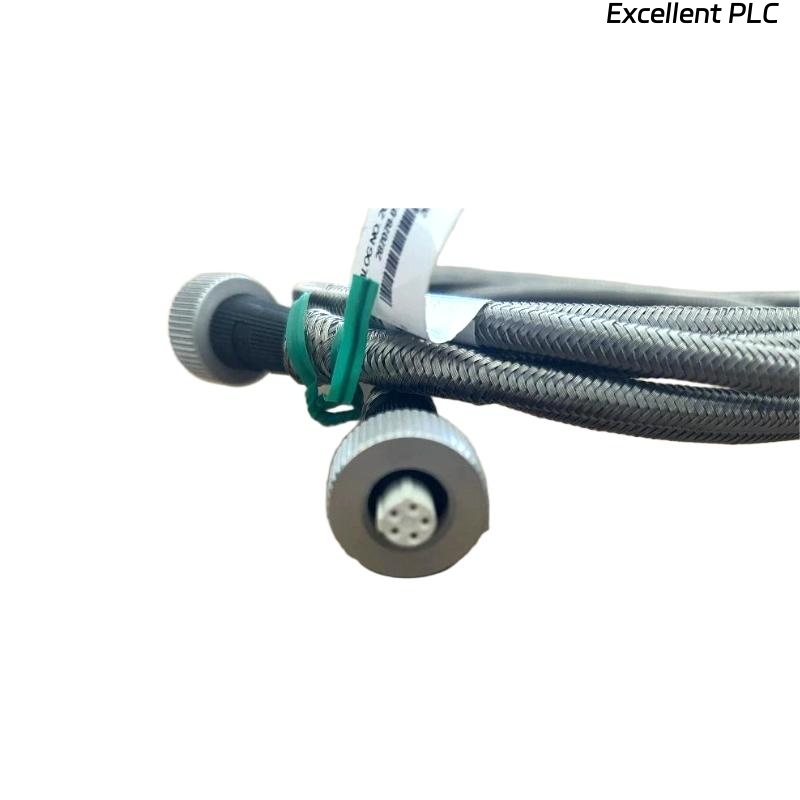
Table of Contents
- Importance of Proper Cable Installation for Accelerometers
- Common Installation Challenges
- Proper Cable Placement and Routing
- Connecting the Cable to Accelerometers and Monitoring Equipment
- Validating Signal Integrity and Cable Performance
- Step-by-Step Installation Procedure
- Best Practices for Cable Installation
- FAQ
- Technical Summary
Importance of Proper Cable Installation for Accelerometers
The Bently Nevada 200151-40-03-10 is a high-quality accelerometer interface cable, essential for ensuring stable and reliable signal transmission between accelerometers and monitoring systems. Correct installation is crucial to maintain signal integrity, minimize electrical interference, and optimize the performance of the entire vibration monitoring system.
Common Installation Challenges
Common challenges encountered during installation include:
- Incorrect cable routing leading to physical stress and potential damage.
- Electromagnetic interference (EMI) affecting signal quality.
- Improper termination of connectors, leading to loose or intermittent connections.
Proper Cable Placement and Routing
To ensure the cable operates optimally, follow these placement guidelines:
- Route the cable away from high-voltage power lines or machinery that generates significant electromagnetic fields.
- Avoid sharp bends or kinks in the cable to prevent damage to the inner wiring.
- Ensure the cable is not exposed to high temperatures, oils, or chemicals that could degrade the insulation.
- Secure the cable at regular intervals to avoid unnecessary movement or strain on the connectors.
Connecting the Cable to Accelerometers and Monitoring Equipment
When connecting the Bently Nevada 200151-40-03-10 cable:
- Ensure that the connectors are properly aligned before engaging them with the accelerometer or monitoring system ports.
- Verify that the pins on the cable connectors match the corresponding ports in the equipment.
- Do not force connectors into place; instead, use gentle pressure to align and secure the connection.
- Once connected, check for any visible signs of damage to the connectors or the cable insulation.
Validating Signal Integrity and Cable Performance
After installation, validate the performance of the cable:
- Use an oscilloscope or similar device to monitor the signal transmitted through the cable.
- Verify that the signal is clean and free from noise or distortion.
- If the cable is part of a larger system, ensure that the accelerometer is responding to mechanical vibration inputs as expected.
Step-by-Step Installation Procedure
Follow these steps for proper installation:
- Step 1: Inspect the cable for any signs of damage or defects before installation.
- Step 2: Route the cable through a designated cable tray or conduit, keeping it free from potential hazards.
- Step 3: Connect the cable to the accelerometer and monitoring system, ensuring proper alignment of connectors.
- Step 4: Secure the cable in place, avoiding any excessive tension on the connectors.
- Step 5: Perform a system test to ensure the cable is functioning properly and the accelerometer is transmitting data correctly.
Best Practices for Cable Installation
- Use cable ties or clips to secure the cable at intervals, preventing movement and strain.
- Always check the cable’s length and ensure it is long enough to reach the equipment without tension.
- Protect the cable from physical damage by routing it through protective conduits where necessary.
- Regularly inspect the cable for wear and tear, especially in high-vibration environments.
FAQ
How do I know if the Bently Nevada 200151-40-03-10 cable is properly installed?
After installation, check for clean and consistent signal output. You can use diagnostic tools such as an oscilloscope to verify that the accelerometer is transmitting accurate data. A properly installed cable should have no interruptions or noise in the signal.
What should I do if the cable is exposed to harsh environmental conditions?
If the cable is exposed to high temperatures or chemicals, replace it with a cable that has better environmental resistance. Additionally, ensure that the cable is shielded from electromagnetic interference (EMI) by routing it properly and using protective coverings.
Technical Summary
The Bently Nevada 200151-40-03-10 accelerometer interface cable is essential for maintaining the performance and reliability of vibration monitoring systems. Proper installation, secure connections, and regular maintenance are critical to ensure signal integrity and optimal system performance.