 Excellent PLC


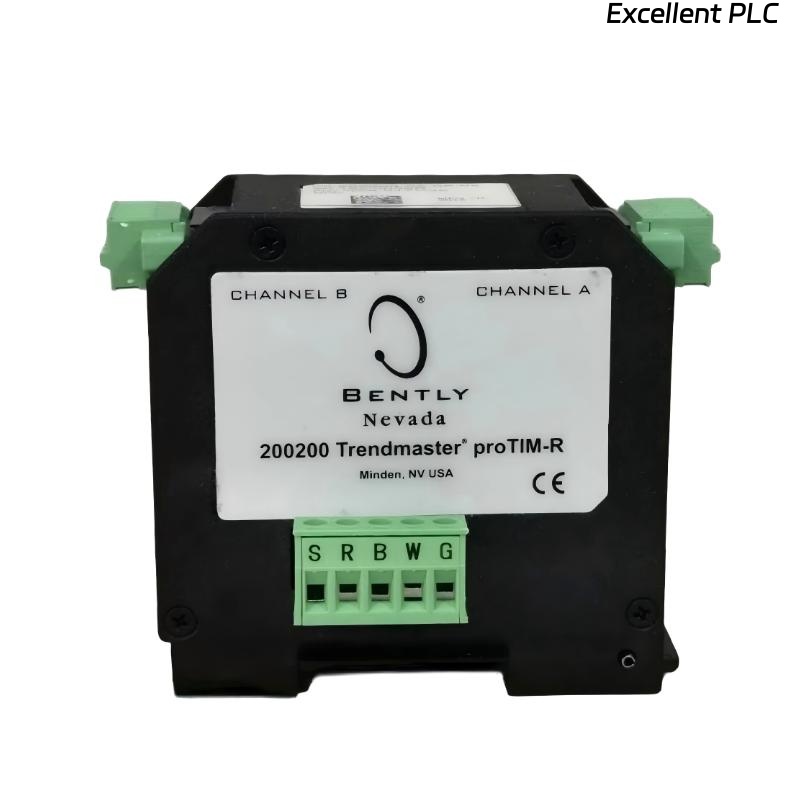
Table of Contents
- 200200-05-05 Installation Overview
- Role of the 200200-05-05 Trendmaster proTim-R Dual Input Module
- Installation Planning and Risk Assessment
- Wiring and Connection Guidelines
- System Configuration and Calibration
- Commissioning and Signal Validation
- Field Installation Case
- Installation FAQ
- Final Engineering Summary
200200-05-05 Installation Overview
The Bently Nevada 200200-05-05 Trendmaster proTim-R dual input module is a crucial component in multi-sensor monitoring systems. This module allows for the connection of two vibration sensors to a single input channel, enhancing the versatility and reliability of machinery monitoring in demanding applications such as turbines, compressors, and other rotating machinery.
This guide provides detailed steps for the installation, configuration, and commissioning of the 200200-05-05 module, ensuring that it operates optimally within your system.
Role of the 200200-05-05 Trendmaster proTim-R Dual Input Module
- Integrates two vibration sensors into a single input module for more efficient data collection
- Enhances machinery protection by providing redundant monitoring channels for critical equipment
- Compatible with Bently Nevada 3500 system for centralized vibration data analysis and trend monitoring
- Supports applications where multiple vibration sensors are required to monitor the health of multi-bearing machines
Installation Planning and Risk Assessment
- Choose a location for the module that allows for easy maintenance access while minimizing exposure to vibration or electromagnetic interference
- Conduct a site survey to assess environmental conditions such as temperature extremes, humidity, and potential sources of electrical noise
- Plan the routing of cables to minimize the risk of physical damage and interference from nearby electrical equipment
- Ensure that proper shielding and grounding techniques are in place to prevent electromagnetic interference (EMI) that could affect signal integrity
Wiring and Connection Guidelines
- Ensure that wiring is secure, with no loose connections or exposed wires
- Verify that each input sensor is properly connected and matches the pinout of the module
- Use shielded cables to protect against EMI and ensure stable signal transmission
- Ensure proper grounding for both the module and the connected sensors to reduce noise and prevent interference
- Follow the manufacturer’s wiring diagrams to confirm correct connections and avoid incorrect sensor wiring
  // Wiring Best Practices
  IF Signal_Instability THEN
      Inspect_Cable_Routing_And_Shielding();
      Verify_Grounding_And_Connector_Integrity();
  ELSE
      Check_Signal_Input_Ranges_And_Configurations();
  END_IF;
System Configuration and Calibration
- Configure the 200200-05-05 module within the Trendmaster software to recognize both vibration sensors connected to the input module
- Set the appropriate sensor input ranges based on the equipment being monitored and the specifications of the sensors
- Calibrate the module to align with the machine’s operational parameters and ensure accurate readings
- Set up alarm thresholds to alert the monitoring system of any abnormal vibration levels or faults
Commissioning and Signal Validation
- Perform a visual inspection of the module and all connections to confirm that everything is properly secured and intact
- Power on the system and confirm that the module is receiving signals from both input sensors
- Test the system by running the machinery under various operational conditions, verifying that the signals are stable and within expected ranges
- Verify that the monitoring system is correctly processing and displaying data from both input channels
Field Installation Case
During a recent installation of the 200200-05-05 module in a gas turbine system, intermittent signal loss was observed during startup:
- The signal from one input channel would drop temporarily when the turbine ramped up
- Upon further investigation, it was discovered that the wiring was routed too close to high-voltage cables, causing electromagnetic interference
After rerouting the cables and improving grounding, the system operated reliably, with stable signals from both input channels:
- Signal loss was eliminated, and stable readings were observed during all operational phases
- Alarm thresholds were adjusted to prevent unnecessary alerts during normal startup conditions
Installation FAQ
What is the maximum recommended cable length for the 200200-05-05 module?
The recommended maximum cable length is typically 30 meters for optimal performance. Longer cable runs may experience signal degradation and require the use of signal amplifiers or repeaters.
How can I prevent electromagnetic interference during installation?
Use shielded cables and ensure proper grounding of the module and sensors. Route cables away from high-voltage power lines and other sources of EMI to reduce the risk of interference.
Can I use this module with sensors from other manufacturers?
Yes, as long as the sensors’ voltage range and other electrical characteristics are compatible with the module’s input specifications. Verify sensor compatibility before installation.
Final Engineering Summary
The Bently Nevada 200200-05-05 Trendmaster proTim-R dual input module is an excellent choice for applications requiring multiple vibration sensors. Proper installation, careful wiring, and thorough commissioning ensure reliable performance and accurate data collection for machinery protection and monitoring. Following these installation guidelines will help optimize system reliability and reduce the risk of unplanned downtime.