 Excellent PLC


1. Incident Overview
-
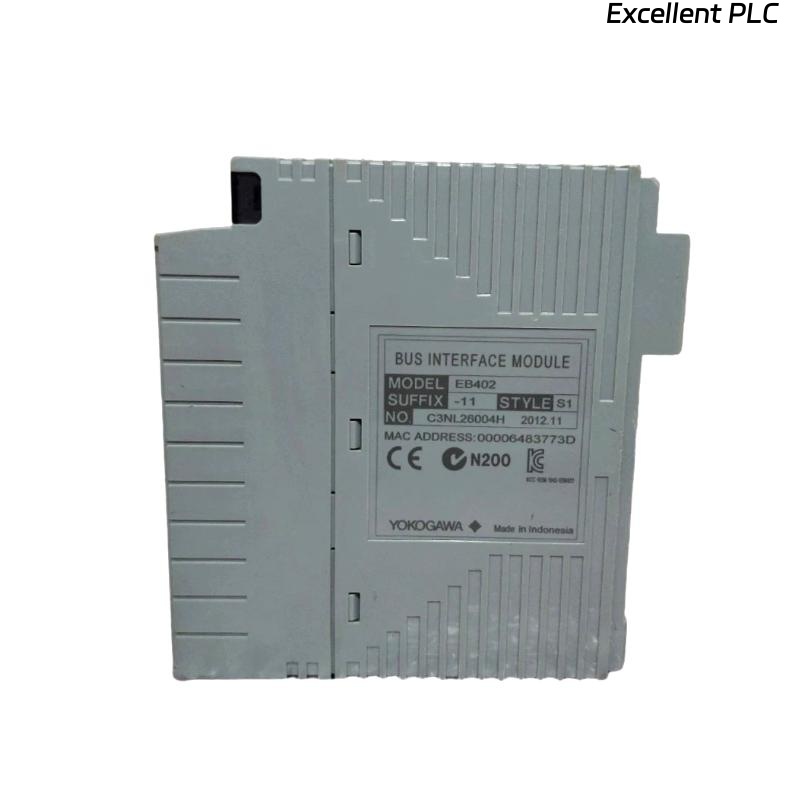
Device: Yokogawa EB402 Bus Interface Module
-
Issue Type: Water ingress damage
-
Location: Outdoor Control Panel, Remote I/O Rack
-
Duration: 2 hours downtime
-
Root Cause: Water ingress due to poor sealing of control panel
-
Result: Short circuit in the module, loss of bus communication, and partial system failure
This article addresses an issue caused by water ingress into the Yokogawa EB402 module, resulting in communication failure and electrical damage. The focus is on identifying water-related faults and providing practical solutions for recovery and prevention.
2. Incident Details
Event Summary
-
Date: 2025-08-02
-
Time: 08:45 AM — The module was found unresponsive after a heavy rainstorm.
-
Symptoms:
-
The green LED on the EB402 module is off (indicating no power).
-
Bus communication errors triggered.
-
Smoke and burning smell were detected around the module area.
-
Root Cause Analysis
-
Water Ingress: The outdoor control panel, where the EB402 module is installed, was inadequately sealed. After a heavy rainstorm, water seeped into the panel, causing short circuits in the module’s internal circuitry and damaging the power input section.
| Time | Event |
|---|---|
| 08:50 | Initial inspection shows visible water droplets inside the control panel. |
| 09:00 | Module power-off due to visible signs of short circuit and damage. |
| 09:10 | Technician investigates and identifies water ingress through poorly sealed door gasket. |
| 09:30 | Emergency shutdown procedure initiated to prevent further damage. |
3. Diagnosing Water Damage
Step 1: Power Off the System Immediately
As soon as water ingress is suspected, immediately power off the entire system to prevent further damage. Water and electricity are a dangerous combination. Disconnect all power sources and ensure safety before continuing.
Step 2: Visual Inspection of the Module and Enclosure
-
Check the module for visible water damage.
Look for signs of water droplets inside the module or corrosion on terminals and connectors. -
Inspect the control panel’s sealing mechanism.
Examine the control panel door gasket, ensuring it is intact and free from cracks or signs of wear.
If there is water pooling inside, it’s an indication that the panel’s seal is compromised. -
Look for any scorch marks or signs of short circuits on the module or surrounding components. If the module has suffered a short circuit, it may display burnt marks or overheating signs.
Step 3: Drying and Cleaning the Module
-
Drying: Use compressed air or a non-conductive blower to carefully dry any visible moisture inside the module. Make sure to dry all connectors and electrical components thoroughly.
-
Cleaning: If water has been absorbed into the module, use a cleaning solvent like isopropyl alcohol (IPA) to clean the affected area. IPA will help remove any water residue and reduce the risk of corrosion.
Step 4: Inspect and Replace Damaged Components
-
Power Supply and Components:
Check the power input section and any internal components that may have been shorted. If damage is found in components like capacitors, resistors, or ICs, these must be replaced. -
Module Circuitry:
If the internal PCB (Printed Circuit Board) has signs of water damage or corrosion, it may need to be cleaned or replaced entirely.
4. Recovery and Resolution Steps
Step 1: Repairing the Control Panel Enclosure
-
Seal the Enclosure Properly:
Ensure the panel is resealed properly. Replace any faulty gaskets or seals that may have allowed water ingress. Consider upgrading to a higher IP rating for better water resistance, such as IP65 or higher. -
Inspect Outdoor Enclosure:
Confirm that the control panel is adequately protected from weather elements. If needed, install waterproof covers or drainage systems to divert water away from the panel.
Step 2: Replace Damaged Module
-
Replacement Module:
If the module is irreparably damaged due to water ingress, replace it with a new Yokogawa EB402 module. Ensure the new module is installed with proper sealing and configuration. -
Reconnect and Reinitialize:
After replacing the module, reconnect all cables and power it on. Verify that the green LED comes on and that the system initializes correctly.
Step 3: Test Communication and Full System Check
Once the module is operational, perform a bus communication test to ensure that it is functioning correctly with other field devices. Test the system’s functionality to ensure no further communication issues exist.
5. Preventive Measures to Avoid Water Ingress
To prevent similar water damage in the future, consider the following steps:
1. Upgraded Enclosure Protection
-
Ensure all control panels are equipped with waterproof enclosures or IP65-rated seals to prevent any water ingress, especially in outdoor or exposed environments.
2. Regular Sealing Inspections
-
Conduct quarterly inspections of the panel seals and gaskets to ensure they remain intact. Any signs of degradation should prompt immediate replacement.
3. Installation of Water Detection Sensors
-
Consider adding water detection sensors inside the control panels. These sensors can trigger alarms when water is detected, enabling early intervention before significant damage occurs.
4. Weatherproofing the Installation Site
-
Evaluate the control panel’s location and ensure that it is protected from extreme weather conditions, including heavy rains and floods. Installing drainage systems or relocating the panel can be preventive measures.
6. Conclusion
This report highlights the importance of maintaining proper enclosure sealing to prevent water ingress that could lead to electrical faults. The Yokogawa EB402 module, after water ingress, experienced a short circuit and communication failure. Through immediate action, including drying, cleaning, and replacing damaged parts, the module was restored.