 Excellent PLC


Fault Scenario
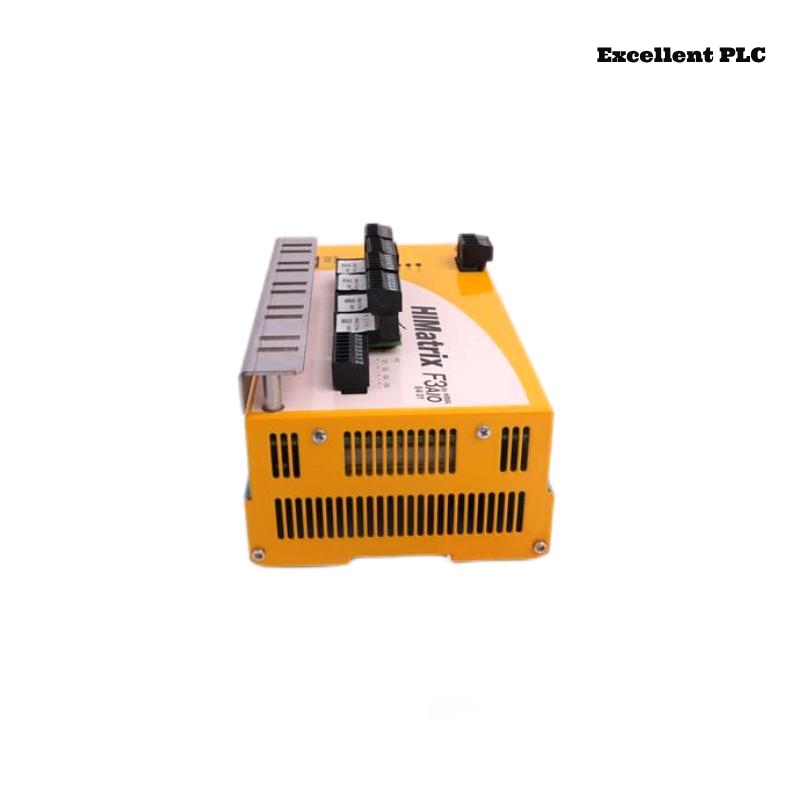
During process monitoring with the F3 AIO 8/4 01 remote I/O module:
-
Analog input channels 2 and 5 produced erratic values
-
Observed readings fluctuated ±10% without process change
-
Digital outputs and other analog channels normal
-
Engineering software reported no configuration errors
Symptoms suggested internal signal conditioning degradation, not wiring or sensor failure.
Step 1 – Verify Input Signals
-
Sensors verified: output stable
-
Wiring continuity confirmed
-
Shielding intact, no external EMI observed
Inference: Problem internal to module, likely in analog front-end circuitry.
Step 2 – Observe Signal Behavior
1. Connect oscilloscope to analog input terminal.
2. Observe waveform during stable process condition.
3. Capture fluctuations or drift.
Findings:
-
Input signals stable at sensor terminals
-
Module ADC input fluctuated, showing erratic voltage readings
-
Ripple superimposed on expected voltage → typical capacitor aging effect
Step 3 – Inspect Internal Components
-
Aging electrolytic capacitors in analog signal path degrade filtering
-
Reduced capacitance allows high-frequency noise to reach ADC
-
Results in signal drift and instability
Step 4 – Corrective Action
-
Replace F3 AIO module with a spare unit
-
Optional advanced repair: replace internal capacitors with rated high-temperature types
-
After replacement:
-
Input readings stable
-
No erratic fluctuations observed
-
Downstream control logic behaves as expected
Step 5 – Preventive Recommendations
-
Periodically check analog module performance during preventive maintenance
-
Avoid operating at maximum temperature for prolonged periods
-
Keep spare modules for rapid replacement in critical systems
-
Consider using long-life, low-ESR capacitors in high-reliability applications
Engineering Insight
-
Analog modules degrade over time due to capacitor aging, not necessarily external faults
-
Erratic input readings can affect control decisions if undetected
-
Early detection and replacement maintain system accuracy and reliability
Conclusion:
If analog input channels on a Black Horse F3 AIO 8/4 01 module provide erratic readings despite stable sensors, the likely cause is internal capacitor aging. Replacement or repair restores stable and reliable signal acquisition in remote I/O H3 systems.