 Excellent PLC


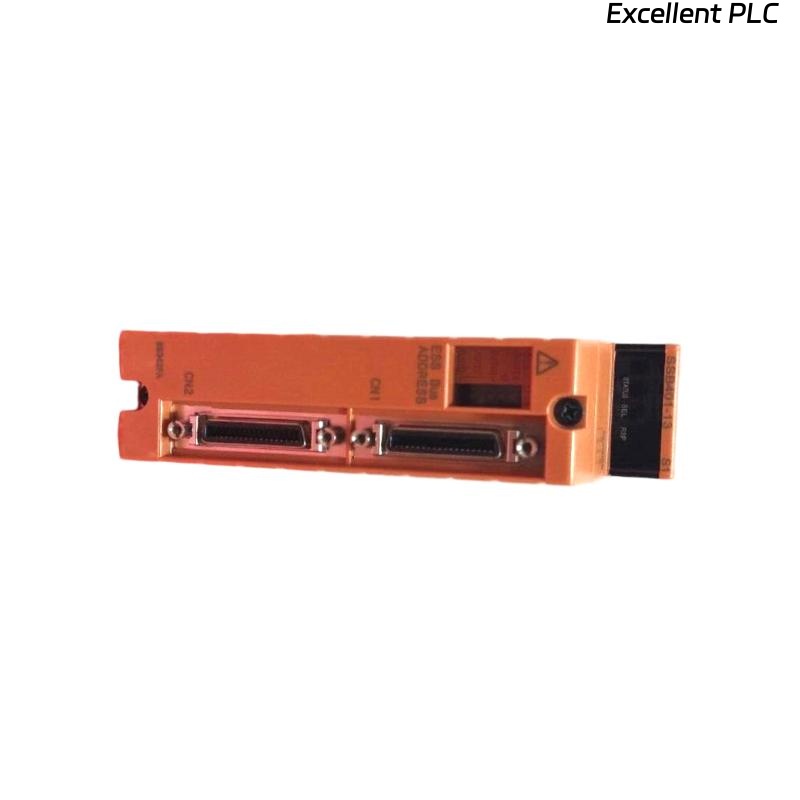
Yokogawa SB401-11 communication faults are most often caused by ESB network interruptions, duplicate node addresses, grounding deficiencies, or communication parameter inconsistencies rather than module hardware failure. Effective Troubleshooting begins with communication analysis and System Configuration review before module replacement is considered. The SB401-11 is designed to provide stable ESB communication between remote I/O devices and central control systems. :contentReference[oaicite:3]{index=3}
Contents
- SB401-11 Communication Fault Symptoms
- Impact of SB401-11 Communication Failures
- Typical Failure Patterns
- Common Causes of SB401-11 Faults
- Engineering Fault Diagnosis Logic
- SB401-11 Status Indicator Analysis
- Node Address Troubleshooting
- Communication Cable Investigation
- Grounding and EMC Assessment
- System Configuration Review
- Communication Signal Analysis
- Diagnostic Workflow
- Recovery and Repair Actions
- Post-Repair Verification
- Preventive Maintenance
- Real Fault Diagnosis Case
- FAQ
SB401-11 Communication Fault Symptoms
- Remote node communication loss
- Intermittent network alarms
- I/O update failures
- Communication timeout events
- Data synchronization problems
- Rising error counters
Impact of SB401-11 Communication Failures
- Process interruptions
- Control instability
- Operator alarm flooding
- Reduced system availability
- Delayed field data updates
Typical Failure Patterns
- Startup communication failure
- Intermittent communication loss
- Communication degradation during high load
- Faults following maintenance activities
- Network instability after database changes
Common Causes of SB401-11 Faults
- Duplicate node addresses
- Damaged communication cables
- Loose connectors
- Poor grounding
- Incorrect communication parameters
- Database inconsistencies
- Electromagnetic interference
Engineering Fault Diagnosis Logic
Field engineers should first determine whether the fault originates from communication infrastructure, System Configuration, or hardware.
Replacing modules before validating network conditions often increases downtime and maintenance costs.
SB401-11 Status Indicator Analysis
| Indicator Status | Possible Cause |
|---|---|
| Offline | Communication path failure |
| Online Without Data | Addressing conflict |
| Intermittent Activity | Cable or grounding issue |
| Healthy | Normal operation |
Node Address Troubleshooting
- Verify address uniqueness
- Review network assignments
- Inspect controller mappings
- Validate database configuration
Communication Cable Investigation
- Inspect physical damage
- Check connector condition
- Verify shielding continuity
- Confirm routing separation
Grounding and EMC Assessment
- Measure grounding resistance
- Inspect shield termination
- Identify EMI sources
- Review cabinet grounding design
System Configuration Review
- Check database revision
- Verify communication tables
- Review engineering changes
- Validate node definitions
Communication Signal Analysis
- Monitor communication counters
- Review packet loss statistics
- Analyze network latency
- Verify update intervals
Diagnostic Workflow
CHECK STATUS LED
VERIFY NODE ADDRESS
INSPECT COMMUNICATION CABLING
CHECK GROUNDING SYSTEM
REVIEW CONFIGURATION DATABASE
ANALYZE NETWORK STATISTICS
IDENTIFY ROOT CAUSE
Recovery and Repair Actions
- Correct address conflicts
- Repair communication cables
- Restore configuration database
- Improve grounding quality
- Replace hardware if required
Post-Repair Verification
- Communication stability testing
- Error counter monitoring
- Alarm clearance validation
- Extended operation testing
Preventive Maintenance
- Routine diagnostics reviews
- Connector maintenance
- Configuration backups
- Periodic grounding audits
Real Fault Diagnosis Case
A power generation facility experienced recurring communication alarms associated with an SB401-11 interface module.
- Network Error Rate: 12%
- Node Availability: 87%
- Power Supply: Stable
- Controller Status: Normal
Initial assumptions pointed toward module failure. Detailed Troubleshooting revealed excessive grounding resistance and improper cable shield termination.
Measured grounding resistance reached 21 ohms, exceeding site standards.
After correcting the grounding system:
- Error rate dropped from 12% to 0.3%
- Communication stabilized
- Node availability reached 100%
- Alarms disappeared completely
We observed that poor grounding often produces symptoms identical to communication hardware failure.
SB401-11 Fault Diagnosis FAQ
Does communication failure always indicate a faulty SB401-11 module?
No. Most failures originate from network infrastructure, addressing conflicts, grounding issues, or configuration errors.
What should engineers inspect first during Troubleshooting?
Communication status, ESB network integrity, node addresses, and System Configuration should be verified before hardware replacement.
Can grounding affect ESB communication?
Yes. Poor grounding can introduce communication instability, packet loss, and intermittent network failures.
Summary: Effective SB401-11 Troubleshooting requires structured Fault Diagnosis, communication network analysis, address validation, grounding verification, and System Configuration review before replacing the ESB Bus Interface Slave Module.