 Excellent PLC


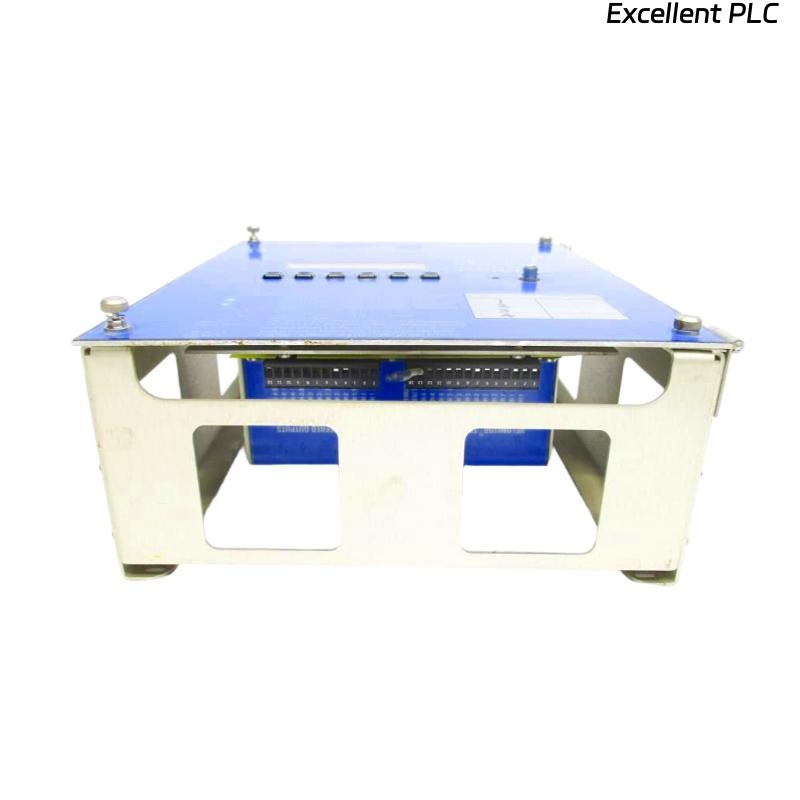
Bently Nevada 1900/55-01-01-01-00 Fan Monitor Troubleshooting Guide Using Multi-Dimensional Analysis for Fault Diagnosis
Table of Contents
- Why Fan Monitoring Requires Multi-Dimensional Troubleshooting
- Signal-Level Observations
- Structural Condition Analysis
- Airflow Impact on Vibration
- Integrated Diagnostic Logic
- Real Case: Vibration Increase Without Mechanical Fault
- Corrective Actions
- FAQ
- Technical Summary
Why Fan Monitoring Requires Multi-Dimensional Troubleshooting
Bently Nevada 1900/55-01-01-01-00 troubleshooting cannot rely on signal analysis alone. Fan systems involve interaction between mechanical structure and airflow dynamics.
Signal-Level Observations
Monitor data showed:
- Baseline: 20 mm/s
- Peak: 42 mm/s
Peaks occurred intermittently, not continuously.
Structural Condition Analysis
Mechanical inspection revealed:
- No looseness in mounting
- No bearing damage
Structural integrity confirmed.
Airflow Impact on Vibration
Further observation:
- Vibration peaks aligned with damper position changes
- Higher airflow caused temporary turbulence
This indicated aerodynamic influence.
Integrated Diagnostic Logic
IF signal_peaks AND structure_OK:
    CHECK airflow_effect

IF peaks correlate_with_damper:
    aerodynamic_source = TRUE
Real Case: Vibration Increase Without Mechanical Fault
In an HVAC system:
- Fan speed constant
- Damper opening changed
Result:
- Temporary vibration increase detected by monitor
No mechanical issue was found.
Corrective Actions
- Adjusted alarm delay time
- Optimized damper operation curve
- Improved airflow path to reduce turbulence
After correction:
- Peaks reduced significantly
- No unnecessary alarms
FAQ
Why does fan vibration increase without mechanical fault?
This is often caused by airflow turbulence rather than mechanical issues.
How to distinguish airflow effects from mechanical faults?
Analyze correlation between vibration and airflow-related parameters such as damper position.
Technical Summary
Bently Nevada 1900/55-01-01-01-00 troubleshooting requires a multi-dimensional approach combining signal, structural, and airflow analysis. Field experience shows that many apparent faults are actually aerodynamic effects. Understanding these interactions ensures accurate diagnosis and prevents unnecessary mechanical intervention.