Excellent PLC


| Company Information | ||||||||
| [email protected] | ||||||||
| Mobile | +8613666033393 | |||||||
| +8613666033393 | ||||||||
| 13666033393 | ||||||||
| Add | Room 1004, No. 62 Xiangxiu Li, Siming District, Xiamen City, Fujian Province, China | |||||||
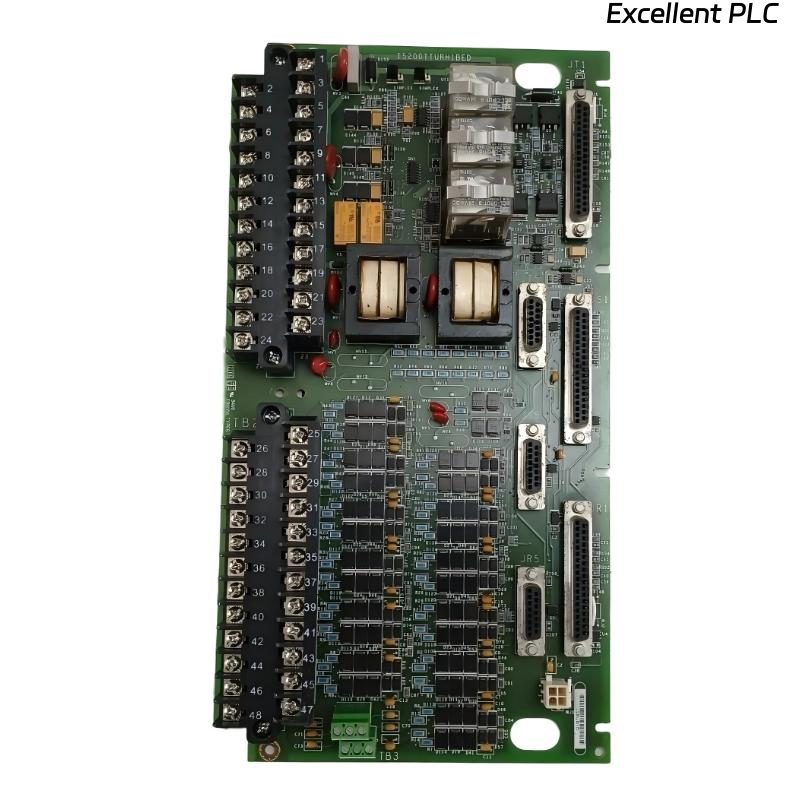
GE IS200TTURH1BED Turbine Termination Board
- Product Details
- FAQs
- Related
- Contact Us
- Packing & Delivery
- Product Ratings
Product Introduction
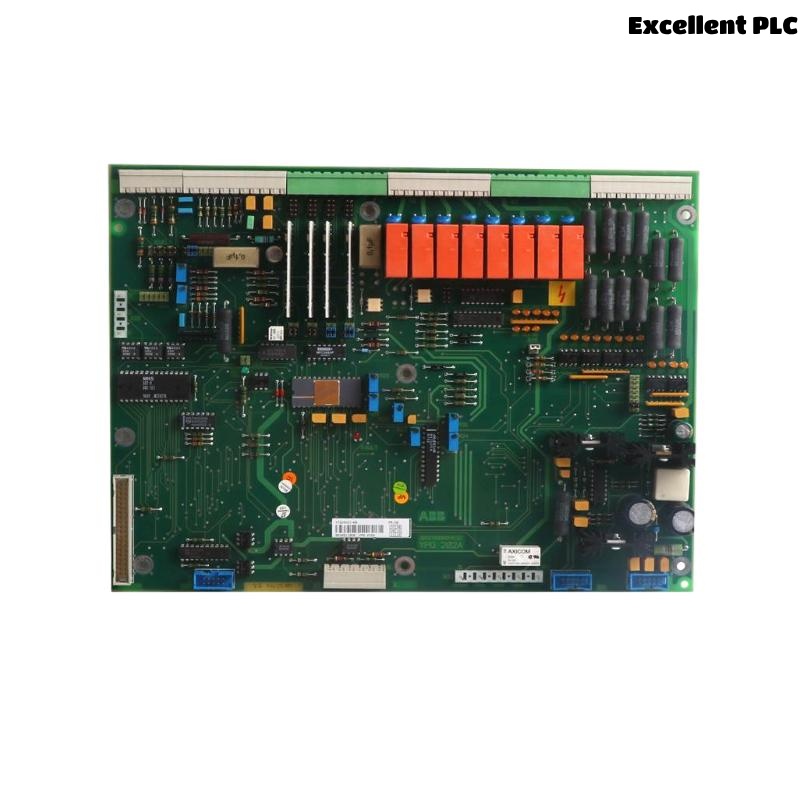
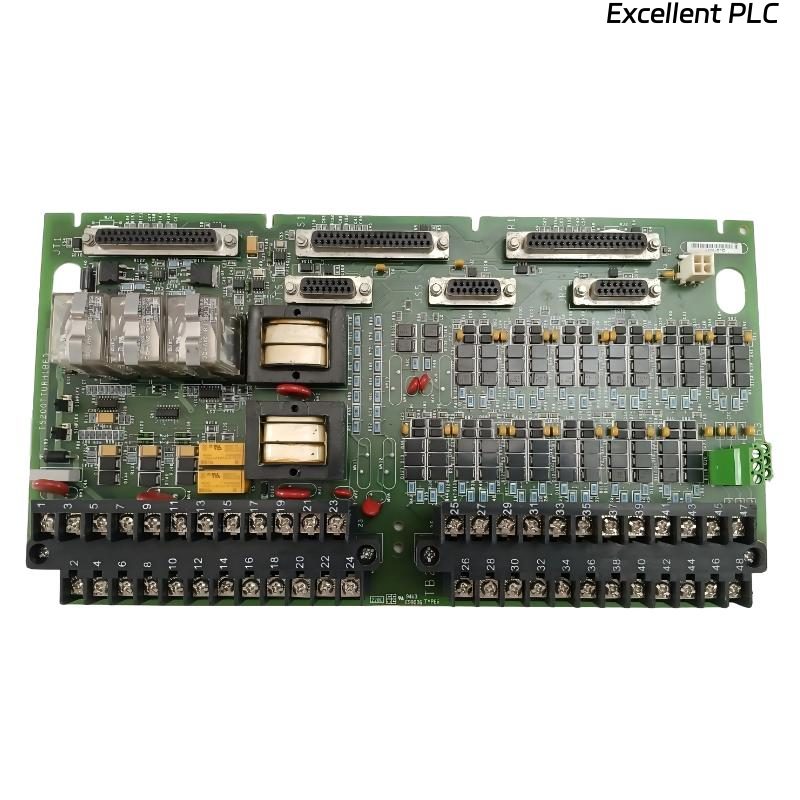
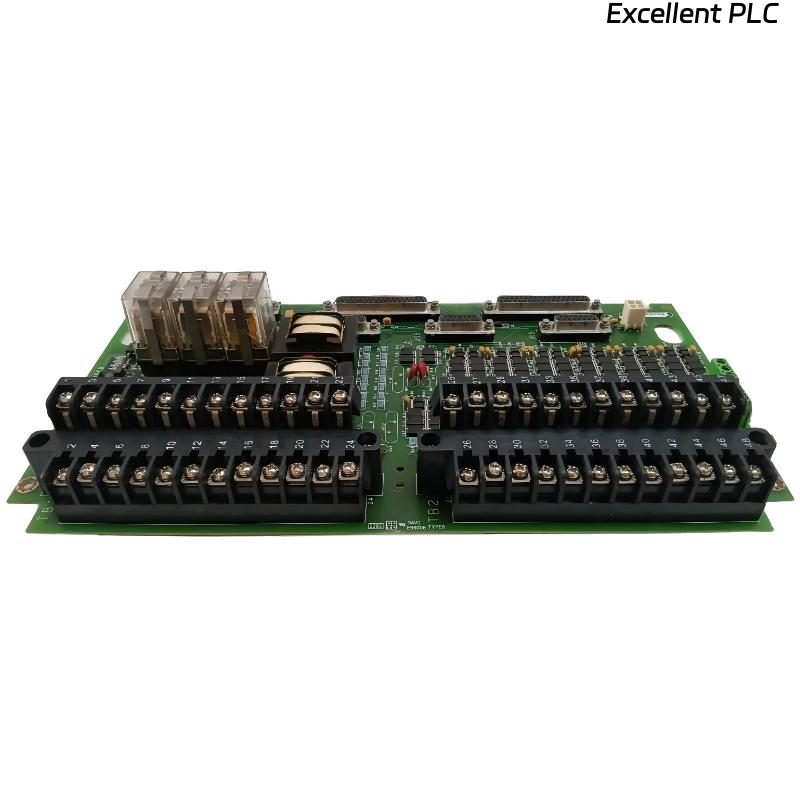
The GE IS200TTURH1BED Turbine Termination Board is a key interface component within GE Mark VI control systems, designed specifically for turbine control and monitoring applications. It provides a structured termination point for turbine-related field wiring, ensuring reliable transmission of control and feedback signals between sensors, actuators, and the control processor.
This board plays an important role in maintaining stable turbine operation by ensuring that critical signals such as speed, position, temperature, and control commands are transmitted accurately and without interference. Its industrial-grade construction supports long-term operation in demanding power generation environments. The compact and organized design also simplifies installation and improves maintenance efficiency within control cabinets.
Product Specifications
| Parameter | Specification |
|---|---|
| Model | IS200TTURH1BED |
| Product Type | Turbine Termination Board |
| System Compatibility | GE Mark VI Control System |
| Function | Turbine signal termination and interface |
| Signal Type | Control and feedback signals |
| Channel Capacity | Multi-channel turbine signal interface |
| Connection Type | Screw terminal connections |
| Isolation | Industrial-grade electrical isolation |
| Noise Immunity | High resistance to electrical interference |
| Response Characteristics | Stable and reliable signal transmission |
| Mounting Type | Panel / rack-mounted |
| Operating Environment | Turbine control and industrial systems |
| Dimensions | 330 × 20 × 178 mm |
| Weight | 0.66 kg |
Applications
• Turbine Control Systems:
Ensures accurate and stable signal transmission, supporting safe and efficient turbine operation.
• Power Generation Plants:
Used for connecting turbine sensors and actuators to the Mark VI control system.
• Industrial Automation Systems:
Provides reliable signal termination for complex automation and control processes.
• Process Monitoring Systems:
Supports accurate data flow for monitoring turbine operating conditions.
• Distributed Control Systems (DCS):
Acts as a key interface between field devices and central control modules.
Advantages
• High Signal Stability:
Delivers consistent and reliable signal transmission, ensuring accurate turbine control.
• Strong Industrial Durability:
Built to withstand harsh operating conditions in power generation environments.
• Enhanced Noise Resistance:
Minimizes electrical interference for improved signal integrity.
• Efficient Wiring Structure:
Organized terminal layout reduces installation complexity and wiring errors.
• Easy Maintenance:
Clear and structured design supports fast troubleshooting and servicing.
• Seamless System Integration:
Fully compatible with GE Mark VI turbine control architecture.
FAQ
- What is the main function of the IS200TTURH1BED board?
It provides a structured interface for turbine control and feedback signal termination within the Mark VI system. - Is it specifically used for turbine applications?
Yes, it is designed specifically for turbine control and monitoring systems. - What type of signals does it handle?
It handles turbine-related control and feedback signals such as speed, temperature, and actuator commands. - Does it ensure stable signal transmission?
Yes, it is engineered for reliable and interference-free signal handling. - Is it suitable for power plant environments?
Yes, it is widely used in power generation and industrial turbine systems. - What type of connections are used?
It uses screw terminal connections for secure and stable wiring. - Does it provide electrical isolation?
Yes, it includes industrial-grade isolation for improved system safety and performance. - Can it be integrated into GE Mark VI systems?
Yes, it is fully compatible with GE Mark VI control system architecture. - Does it simplify maintenance work?
Yes, its structured layout makes troubleshooting and maintenance more efficient. - What industries commonly use this module?
It is commonly used in power generation, oil & gas, and heavy industrial automation sectors.
Related Models
| Model | Description |
|---|---|
| IS200TTURH1BCC | Turbine termination board (standard version) |
| IS200TTURH1B | Base turbine interface board |
| IS200TSVOH1BDC | Servo termination board |
| IS200TRLYH1BGG | Relay output terminal board |
| IS200TRPGH1BDD | Primary trip terminal board |
| IS200TVIBH2BCC | Vibration terminal board |
Popular Models
| Model | Description |
|---|---|
| IS200TTURH1BED | Standard GE turbine termination board |
| IS200VAICH1DAB | Analog input board |
| IS200VAI0H1CAA | Analog input interface module |
| IS200VTURH1BAC | Turbine control interface board |
| IS200VPWRH1AHD | Power supply module |
| IS200VGENH1B | Generator interface board |
| Company Information | ||||||||
| [email protected] | ||||||||
| Mobile | +8613666033393 | |||||||
| +8613666033393 | ||||||||
| 13666033393 | ||||||||
| Add | Room 1004, No. 62 Xiangxiu Li, Siming District, Xiamen City, Fujian Province, China | |||||||
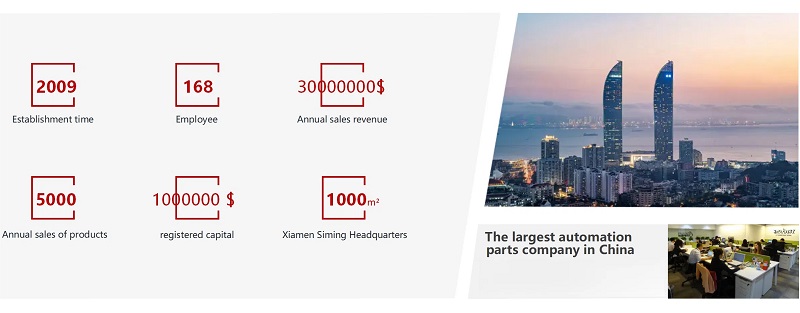
Excellent PLC Co., Ltd. has a large number of brand new and original PLC and DCS spare parts, with more than 60 cooperative countries. All products are guaranteed for 1 year and delivered to you by high-quality express. We are committed to using the best products and the most favorable prices to meet the needs and friendship of our customers. We have won the trust of thousands of customers, including these excellent customers.
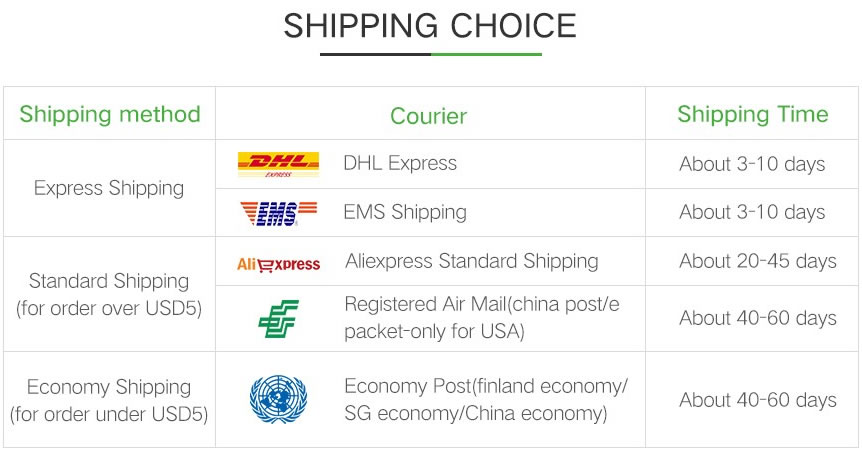
As for the delivery time, when we receive your order requirements, we will arrange for warehouse personnel to test and verify the products. After you place the order, we will send it to you within 24 hours.
Click to rate this post!
[Total: 0 Average: 0]