 Excellent PLC


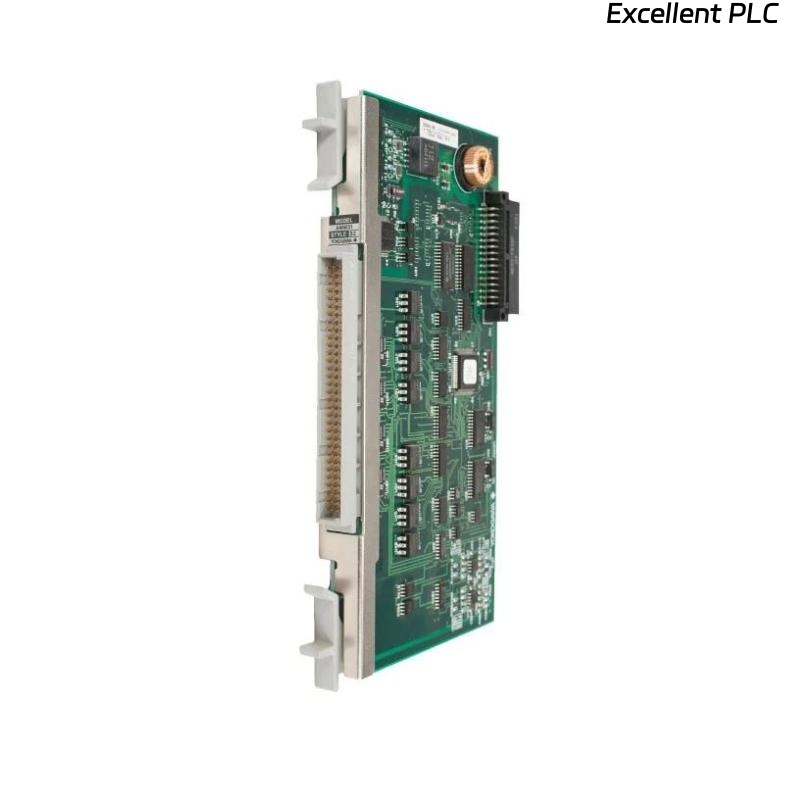
Table of Contents
- AMM31 Fault Diagnosis Entry
- Analog Signal Fault Symptoms
- Engineering Troubleshooting Analysis
- Common Causes of Analog Signal Faults
- Diagnostic Workflow
- Corrective Actions and Recovery
- Industrial Troubleshooting Example
- Troubleshooting FAQ
- Technical Summary
AMM31 Fault Diagnosis Entry
YOKOGAWA AMM31 troubleshooting commonly identifies grounding continuity defects, EMI interference, improper cable shielding, and unstable transmitter power supplies as major causes of analog signal instability. :contentReference[oaicite:5]{index=5}
Analog Signal Fault Symptoms
- Unstable analog process readings
- 4–20 mA signal fluctuation
- Signal scaling deviation
- Intermittent DCS communication alarms
- Delayed process value updates
Engineering Troubleshooting Analysis
Industrial instrumentation engineers generally isolate AMM31 faults by evaluating grounding continuity, shield integrity, analog loop stability, and power distribution conditions before replacing hardware components.
  // Analog Input Diagnostic Logic
  IF Signal_Fluctuation = TRUE THEN
      Verify_Shielding_Integrity();
      Inspect_Grounding_System();
  ELSE IF Communication_Alarm = TRUE THEN
      Verify_Input_Loop_Stability();
      Inspect_Field_Cabling();
  ELSE
      Test_AMM31_Module();
  END_IF;
Common Causes of Analog Signal Faults
- Improper shield grounding
- Ground loop interference
- Analog cables routed beside inverter wiring
- Loose signal terminals
- Unstable DC power distribution
Diagnostic Workflow
- Inspect module diagnostic indicators
- Measure analog loop signal stability
- Verify grounding continuity integrity
- Inspect shielded signal cable termination
- Compare analog values across multiple channels
Corrective Actions and Recovery
- Repair grounding continuity defects
- Separate analog and high-voltage cable routing
- Secure signal terminals and connectors
- Replace damaged shielded analog cables
Industrial Troubleshooting Example
In a refinery DCS system, unstable analog measurements appeared during heavy motor startup:
- Operator stations displayed fluctuating process values
- Analog transmitter signals became unstable intermittently
Investigation revealed:
- Analog input wiring installed beside VFD power cables
- Weak grounding continuity inside the cabinet
After corrective actions:
- Separated analog and inverter cable routing
- Improved grounding continuity integrity
Result:
- Stable analog signal acquisition restored
- Process monitoring reliability improved significantly
Troubleshooting FAQ
What systems commonly use the AMM31 module?
Vendor references associate the AMM31 with Yokogawa CENTUM VP and CENTUM CS distributed control systems. :contentReference[oaicite:6]{index=6}
Can EMI interference affect analog input stability?
Yes. Improper cable routing near inverter or motor wiring can create unstable analog signal conditions.
Should the AMM31 be replaced immediately after analog signal instability appears?
No. Grounding continuity, analog loop stability, shield integrity, and power distribution should be verified first.
Technical Summary
The YOKOGAWA AMM31 Troubleshooting Guide highlights that successful analog signal fault diagnosis depends on stable power distribution, reliable grounding continuity, optimized shielded cable routing, and disciplined industrial instrumentation analysis procedures. :contentReference[oaicite:7]{index=7}