 Excellent PLC


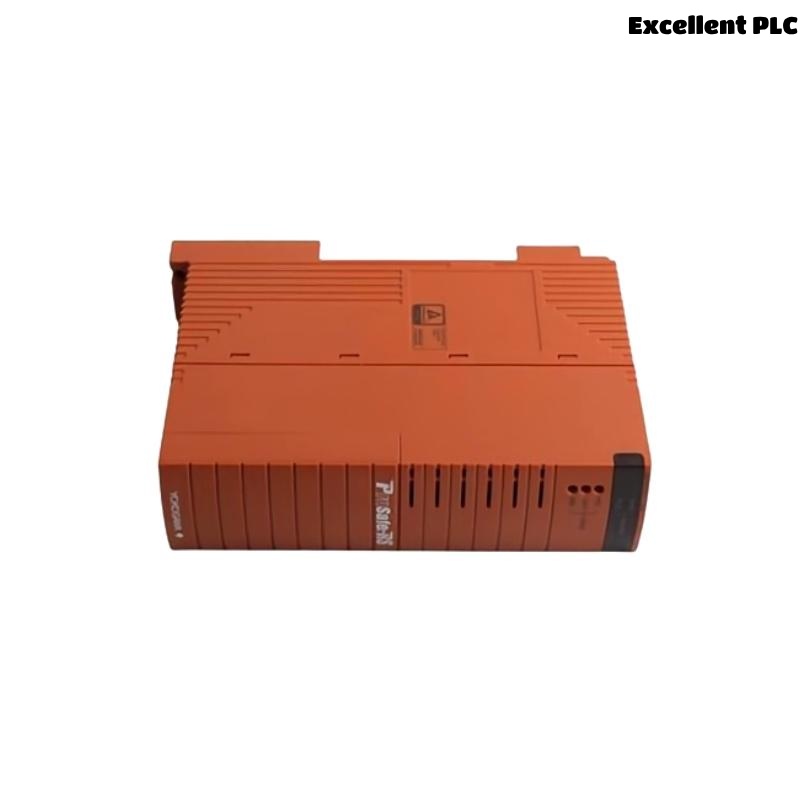
Yokogawa SPW481-53 power supply faults are more often caused by wiring defects, power quality disturbances, overloaded circuits, and environmental conditions than by actual module failure. Effective fault diagnosis requires tracing the entire power path before replacing the Power Supply Module.
Contents
- SPW481-53 Fault Symptoms
- How Power Supply Faults Affect Control Systems
- Common Causes of SPW481-53 Faults
- Typical SPW481-53 Alarm Patterns
- Fault Diagnosis Methodology
- Visual Inspection Strategy
- Electrical Measurement Checks
- Thermal Analysis During Troubleshooting
- Power Quality Investigation
- Grounding Fault Diagnosis
- SPW481-53 Troubleshooting Workflow
- Repair and Recovery Actions
- Preventive Maintenance Strategy
- Real Failure Investigation
- FAQ
Yokogawa SPW481-53 Fault Symptoms
- Unexpected controller restart
- I/O communication loss
- Power module alarm
- Output instability
- Node shutdown events
- Intermittent system faults
- Startup failures
How SPW481-53 Faults Affect Control Systems
A single power supply problem can generate symptoms across multiple controllers, communication modules, and I/O stations, making root-cause identification more difficult.
Common Causes of Yokogawa SPW481-53 Power Supply Fault
- Input voltage fluctuations
- Loose terminal connections
- Overloaded circuits
- Cooling failures
- Grounding defects
- Aging wiring infrastructure
- Environmental contamination
Typical SPW481-53 Alarm Patterns
Field engineers frequently encounter:
- Intermittent power alarms
- Random controller resets
- Communication timeouts
- Power recovery delays
- Redundancy warnings
SPW481-53 Fault Diagnosis Methodology
Experienced maintenance engineers generally follow a structured process:
- Verify incoming power.
- Measure output stability.
- Inspect environmental conditions.
- Review historical alarms.
- Inspect downstream loads.
- Confirm module condition.
Visual Inspection Strategy
- Inspect LEDs
- Check terminal discoloration
- Verify cable condition
- Inspect connectors
- Check cabinet ventilation
Electrical Measurement Checks
Measure and compare:
- Input voltage
- Output voltage
- Load current
- Ground continuity
- Voltage stability under load
Thermal Analysis During SPW481-53 Troubleshooting
Thermal imaging often reveals developing faults before electrical measurements show abnormalities.
Pay attention to:
- Terminal temperatures
- Power cable heating
- Ventilation restrictions
- Hot spots near connectors
Power Quality Investigation
Power quality issues frequently create symptoms that appear to be controller faults.
- Voltage dips
- Voltage spikes
- Frequency variations
- Short interruptions
Grounding Fault Diagnosis
Grounding issues can produce:
- Communication instability
- Noise interference
- False alarms
- Intermittent controller faults
SPW481-53 Troubleshooting Workflow
VERIFY INPUT POWER
CHECK OUTPUT VOLTAGE
MEASURE LOAD CURRENT
CHECK TEMPERATURE
VERIFY GROUNDING
REVIEW ALARM HISTORY
CONFIRM ROOT CAUSE
SPW481-53 Repair and Recovery Actions
| Fault | Likely Cause | Corrective Action |
|---|---|---|
| Voltage Drop | Overload | Reduce connected load |
| Controller Restart | Power instability | Verify incoming source |
| High Temperature | Poor ventilation | Improve airflow |
| No Output | Protection activation | Inspect downstream circuit |
| Intermittent Alarm | Loose terminal | Retighten connections |
SPW481-53 Preventive Maintenance Strategy
- Quarterly voltage inspections
- Annual thermal scans
- Grounding verification
- Load trending analysis
- Cabinet cleaning programs
Real SPW481-53 Fault Diagnosis Case
A refinery DCS experienced repeated controller reboot events approximately every eight hours.
Recorded values showed:
- Input voltage: 116 VAC
- Output voltage fluctuation: ±7%
- Terminal temperature: 82°C
- Cabinet temperature: 49°C
Initial troubleshooting focused on replacing controllers.
However, thermal analysis revealed a loose incoming terminal connection on the SPW481-53 Power Supply Module.
After repairing the connection:
- Terminal temperature dropped to 41°C
- Output voltage stabilized
- Controller reboots disappeared
- Production interruptions stopped
We observed that a simple wiring defect generated symptoms affecting an entire control system.
SPW481-53 Troubleshooting FAQ
Does a controller reboot always indicate a faulty SPW481-53 module?
No. Input voltage instability, loose wiring, and overloaded circuits are more common causes than module failure.
What should be measured first during SPW481-53 fault diagnosis?
Input voltage, output voltage, and load current should be verified before replacing any hardware.
Can poor grounding create power supply alarms?
Yes. Grounding defects can generate electrical noise, communication faults, and intermittent diagnostic alarms.
Summary: Effective Yokogawa SPW481-53 Troubleshooting requires systematic Fault Diagnosis, power quality analysis, thermal inspection, grounding verification, and evidence-based troubleshooting before module replacement is considered.