 Excellent PLC


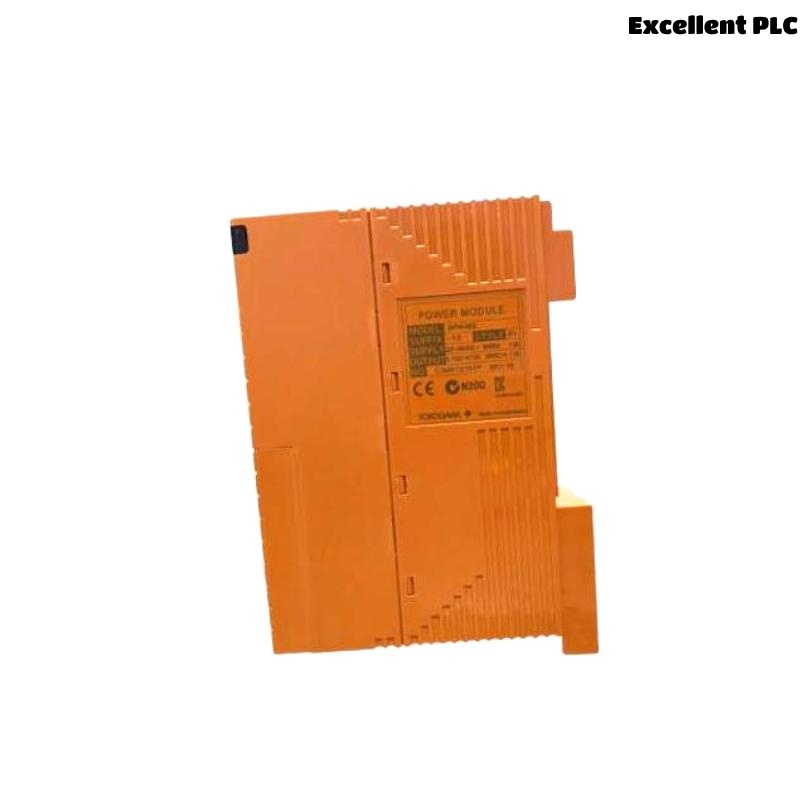
Yokogawa SPW482-E3 power supply faults are frequently caused by external electrical conditions, overloaded circuits, deteriorated wiring, or excessive cabinet temperatures rather than internal module failure. Effective troubleshooting begins with system-level analysis before replacing the Power Supply Module.
Contents
- SPW482-E3 Fault Symptoms
- Common Causes of SPW482-E3 Power Supply Faults
- Fault Diagnosis Methodology
- SPW482-E3 Troubleshooting Workflow
- Repair and Recovery Strategy
- Real Failure Investigation
- FAQ
Yokogawa SPW482-E3 Power Supply Module Fault Symptoms
Common field-reported symptoms include:
- Power supply alarm indication
- Controller reboot events
- I/O communication interruptions
- Unexpected node shutdowns
- Output voltage instability
- Overtemperature alarms
- Power recovery failures
These symptoms often affect multiple devices simultaneously because the Power Supply Module supports several downstream components.
Common Causes of Yokogawa SPW482-E3 Fault Conditions
- Input voltage fluctuations
- Excessive output loading
- Loose terminal connections
- Grounding deficiencies
- Cooling fan failures
- Cabinet heat accumulation
- Downstream short circuits
The SPW482 family is designed for long-term industrial operation, making external causes more common than actual module failure. :contentReference[oaicite:4]{index=4}
SPW482-E3 Fault Diagnosis Methodology
Experienced maintenance engineers typically follow a layered investigation process.
Electrical Verification
Measure input voltage and verify stability under load.
Thermal Assessment
Inspect cabinet temperature and cooling effectiveness.
Load Analysis
Review current consumption trends.
Hardware Confirmation
Only after external causes are eliminated should the power module itself become the primary suspect.
This approach significantly reduces unnecessary spare-part replacement.
SPW482-E3 Troubleshooting Workflow
CHECK INPUT POWER
MEASURE OUTPUT VOLTAGE
VERIFY LOAD CURRENT
CHECK GROUNDING
INSPECT TERMINALS
CHECK TEMPERATURE
CONFIRM ROOT CAUSE
Power quality records are often more valuable than alarm logs during fault diagnosis.
SPW482-E3 Repair and Recovery Strategy
| Fault Symptom | Likely Cause | Corrective Action |
|---|---|---|
| Voltage Drop | Excessive Load | Reduce connected load |
| Controller Restart | Input instability | Verify upstream power source |
| Overtemperature Alarm | Poor cooling | Improve ventilation |
| Intermittent Communication Loss | Power fluctuation | Monitor output stability |
| No Output | Protection activation | Inspect downstream circuits |
Real SPW482-E3 Fault Troubleshooting Case
A petrochemical plant experienced random controller resets affecting several I/O stations.
Observed data included:
- Input voltage: 223–231 VAC
- Output voltage: fluctuating under load
- Cabinet temperature: 51°C
- Load current: 91% of design capacity
At first, maintenance personnel suspected a defective controller.
However, thermal inspection identified excessive heating at one incoming power terminal.
Further examination revealed a partially loose terminal connection.
After corrective maintenance:
- Terminal temperature dropped from 74°C to 38°C
- Output voltage stabilized
- Controller resets ceased completely
- System availability returned to normal
We observed that the apparent control system fault was actually caused by a simple power distribution issue.
SPW482-E3 Troubleshooting FAQ
Does a controller reboot always indicate a defective power supply module?
No. Loose wiring, voltage fluctuations, and overloaded circuits frequently cause controller restart events.
What should be measured first during SPW482-E3 troubleshooting?
Input voltage stability and output voltage performance should be verified before replacing any hardware.
Can excessive cabinet temperature trigger power-related alarms?
Yes. High temperatures can affect long-term reliability and may contribute to intermittent operational problems.
Summary: Effective Yokogawa SPW482-E3 Troubleshooting requires systematic fault diagnosis, electrical measurement, thermal inspection, load analysis, and evidence-based decision making before concluding that module replacement is necessary.