 Excellent PLC


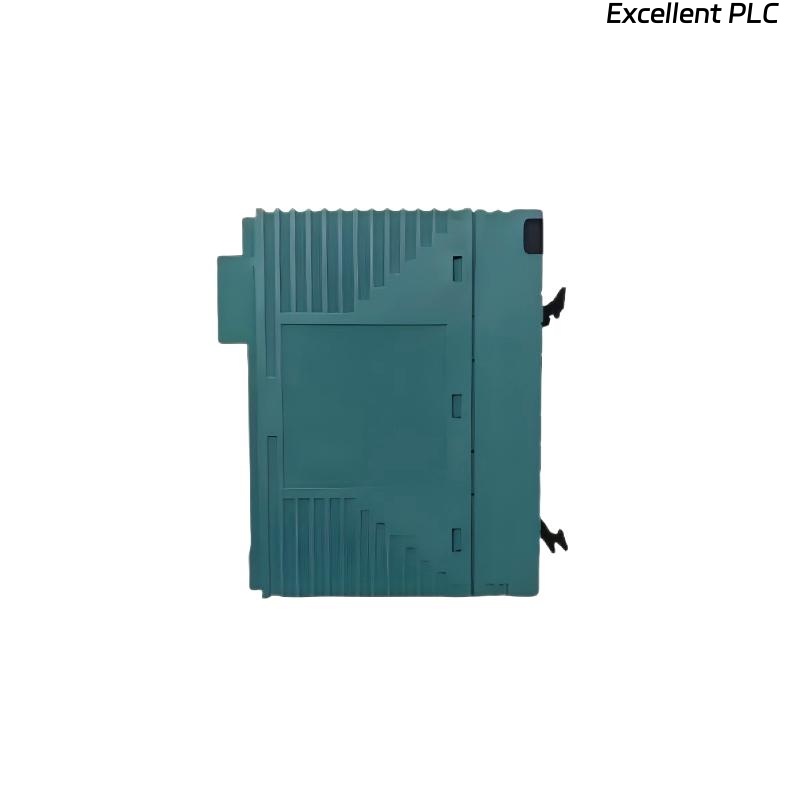
Yokogawa SNT411-5F communication faults are usually caused by optical signal degradation, network topology problems, excessive attenuation, grounding deficiencies, or configuration mismatches rather than failure of the Optical ESB Bus Repeater Master Module itself. Effective Troubleshooting requires analyzing communication behavior throughout the ESB network rather than focusing solely on the module.
Contents
- SNT411-5F Communication Fault Symptoms
- Impact of SNT411-5F Faults on Network Operation
- Common Causes of SNT411-5F Communication Faults
- Typical Failure Patterns
- Fault Diagnosis Logic Used by Engineers
- Physical Inspection Process
- Optical Fiber Fault Analysis
- System Configuration Troubleshooting
- Communication Latency Investigation
- SNT411-5F Troubleshooting Workflow
- Corrective Actions and Recovery
- Verification After Repair
- Preventive Maintenance Strategy
- Real Failure Investigation
- FAQ
SNT411-5F Communication Fault Symptoms
- Communication timeout alarms
- Remote node disconnection
- Network retry events
- High communication latency
- Intermittent communication loss
- Synchronization failures
These symptoms often appear gradually before complete communication loss occurs.
Impact of SNT411-5F Faults on Network Operation
As the master communication interface, problems associated with the SNT411-5F can affect multiple remote repeater segments and distributed node groups simultaneously.
Common Causes of SNT411-5F Communication Faults
- Optical attenuation exceeding limits
- Contaminated connectors
- Damaged fiber infrastructure
- Incorrect topology configuration
- Grounding problems
- Address conflicts
- Communication overload conditions
Typical Failure Patterns
- Communication loss after maintenance
- Increasing latency over time
- Recurring timeout alarms
- Random communication recovery
- Intermittent node visibility issues
Understanding failure patterns accelerates root cause identification.
Fault Diagnosis Logic Used by Engineers
Experienced field engineers often apply a layered diagnostic strategy.
- Identify affected network segments.
- Review alarm chronology.
- Analyze communication statistics.
- Inspect optical infrastructure.
- Verify System Configuration.
- Evaluate hardware condition.
This method prevents unnecessary module replacement.
Physical Inspection Process
- Inspect module indicators
- Verify connector condition
- Check cabinet environment
- Review grounding integrity
- Inspect cable routing
Optical Fiber Fault Analysis
Many communication problems originate within the fiber infrastructure.
- OTDR analysis
- Optical power measurements
- Connector inspection
- Attenuation verification
Fiber diagnostics should be completed before replacing any communication module.
System Configuration Troubleshooting
- Node address validation
- Communication route verification
- Repeater allocation review
- Redundancy checks
Configuration mismatches frequently generate communication alarms even when hardware is functioning normally.
Communication Latency Investigation
Latency trends often reveal developing communication issues before complete failures occur.
- Response time analysis
- Error counter review
- Retry event tracking
- Historical trend comparison
SNT411-5F Troubleshooting Workflow
CHECK ALARM HISTORY
VERIFY NODE STATUS
MEASURE FIBER ATTENUATION
ANALYZE COMMUNICATION LATENCY
VERIFY CONFIGURATION
CHECK NETWORK TOPOLOGY
CONFIRM ROOT CAUSE
Corrective Actions and Recovery
| Fault Symptom | Probable Cause | Corrective Action |
|---|---|---|
| Communication Timeout | High attenuation | Inspect optical path |
| Node Offline | Fiber interruption | Repair communication link |
| Retry Alarms | Dirty connectors | Clean fiber interfaces |
| High Latency | Network overload | Review communication load |
| Intermittent Fault | Grounding issue | Improve earth continuity |
Verification After Repair
- Latency measurements
- Alarm monitoring
- Error counter validation
- Communication stability testing
- Redundancy testing
Preventive Maintenance Strategy
- Scheduled connector cleaning
- Annual fiber certification testing
- Communication trend reviews
- Grounding inspections
- System Configuration audits
Real Failure Investigation
A large LNG terminal reported recurring communication interruptions affecting four remote process areas.
Field data showed:
- Fiber attenuation: 9.5 dB
- Communication latency: 310 ms
- Retry alarms increasing daily
- No hardware fault indicators
Maintenance personnel initially planned replacement of the SNT411-5F.
However, detailed OTDR testing revealed a damaged splice enclosure exposed to water ingress.
After repairing the affected fiber section:
- Attenuation reduced to 2.4 dB
- Latency dropped below 18 ms
- Communication retries disappeared
- System stability was fully restored
We observed that fiber infrastructure degradation produced symptoms nearly identical to Optical ESB Bus Repeater Master Module failure.
SNT411-5F Troubleshooting FAQ
Does a communication alarm always indicate a module fault?
No. Fiber attenuation, connector contamination, grounding issues, and configuration errors are more common causes.
What should be checked first during Troubleshooting?
Communication diagnostics, fiber quality measurements, alarm history, and System Configuration should be reviewed before hardware replacement.
Can excessive latency indicate optical problems?
Yes. Increasing latency often indicates attenuation issues or deteriorating communication quality within the fiber network.
Summary: Effective Yokogawa SNT411-5F Troubleshooting requires structured Fault Diagnosis, communication analysis, fiber infrastructure inspection, and System Configuration validation to identify the true root cause and restore network reliability.