 Excellent PLC


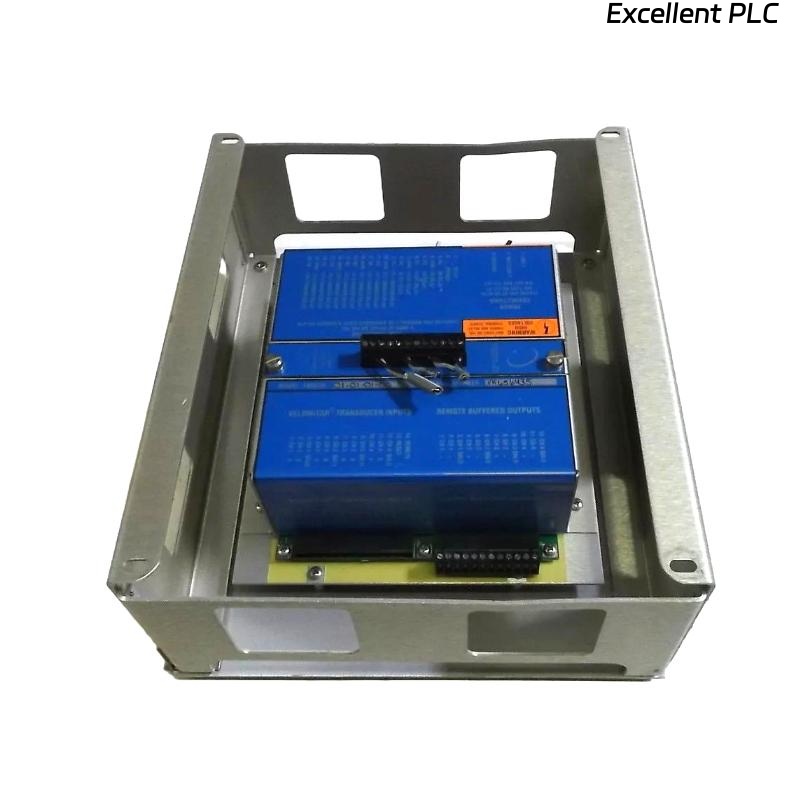
Bently Nevada 1900/55 Fan Monitor Installation Guide for Vibration Monitoring System Configuration in Fan Applications
Table of Contents
- Why Fan Systems Require Different Installation Strategy
- What the 1900/55 Fan Monitor Actually Needs to Measure
- How We Integrated 1900/55 into a Real Fan System
- Signal Wiring and Noise Control in Fan Environments
- Calibration Based on Fan Operating Behavior
- 1900/55 Installation Best Practices
- FAQ
- Technical Summary
Why Fan Systems Require Different Installation Strategy
Bently Nevada 1900/55 fan monitor installation cannot follow the same logic as turbine or compressor systems. Fan systems typically have:
- Lower rotational speed
- Higher structural vibration sensitivity
- Stronger airflow-induced noise
This means installation must prioritize signal clarity over absolute precision.
What the 1900/55 Fan Monitor Actually Needs to Measure
In fan applications, the monitor is not just detecting vibration — it is identifying imbalance, looseness, and airflow-induced resonance.
- Typical vibration range: 5–40 mm/s
- Sensor type: usually velocity sensor
- Output: relay alarm + 4–20 mA to PLC
The installation must reflect these measurement priorities.
How We Integrated 1900/55 into a Real Fan System
In an industrial ventilation system:
- Fan speed: 1480 RPM
- Sensor mounted on bearing housing
- Signal routed to 1900/55 monitor
Initial installation followed standard wiring practice, but signal noise was noticeable.
Signal Wiring and Noise Control in Fan Environments
Fan systems often share space with large motors and dampers, creating electrical noise.
IF cable_near_motor_line:
    noise ↑
    signal_accuracy ↓

IF grounding_multiple_points:
    ground_loop_risk ↑
- Used single-point grounding
- Maintained >30 cm distance from power cables
- Used shielded twisted pair cable
Calibration Based on Fan Operating Behavior
Instead of static calibration, we used real operating data:
- Idle vibration: 12 mm/s
- Normal operation: 22 mm/s
- Alarm threshold set: 35 mm/s
This ensured alarms reflect actual fan behavior rather than theoretical limits.
1900/55 Installation Best Practices
- Install sensors on rigid bearing housing
- Avoid mounting on thin fan casing
- Use real operating data for calibration
- Minimize electrical interference sources
FAQ
Why is fan vibration monitoring different from other equipment?
Fan systems are more affected by airflow and structural vibration, requiring different installation and calibration strategies.
What is a typical vibration range for industrial fans?
Usually between 10 mm/s and 30 mm/s depending on size and operating condition.
Technical Summary
Bently Nevada 1900/55 installation in fan systems requires adapting to the unique characteristics of airflow-driven machinery. Field experience shows that proper sensor placement, noise control, and calibration based on real operating conditions are essential for reliable monitoring. A system-oriented installation approach ensures accurate fault detection and stable performance.