 Excellent PLC


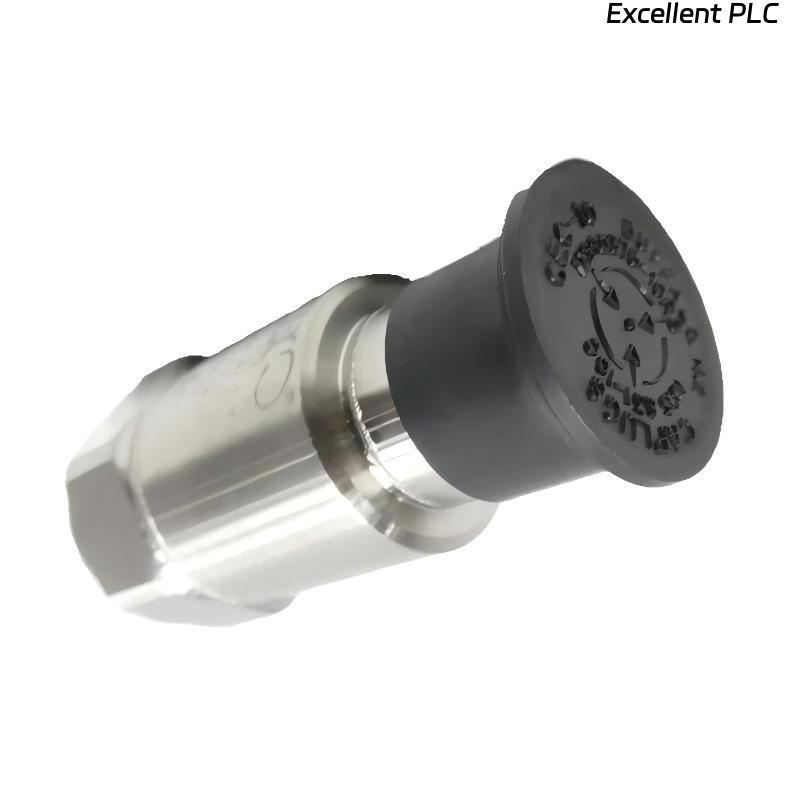
Table of Contents
- 200355-00-00-00 Fault Diagnosis Entry
- Accelerometer Fault Symptoms
- Fault Diagnosis Thinking Process
- Common Causes of False Vibration Signals
- Diagnostic Techniques
- Corrective Actions
- Real Troubleshooting Case
- Troubleshooting FAQ
- Final Technical Summary
200355-00-00-00 Fault Diagnosis Entry
Bently Nevada 200355-00-00-00 accelerometer faults are commonly related to installation-induced signal distortion rather than true mechanical vibration. In heavy-duty environments, external factors significantly affect measurement accuracy.
Accelerometer Fault Symptoms
- Abnormally high vibration values without mechanical issue
- Erratic or noisy signal waveform
- Inconsistent readings between similar machines
- Frequent false alarms
Fault Diagnosis Thinking Process
Field engineers follow a structured approach:
- Verify signal integrity
- Inspect mechanical installation
- Evaluate environmental impact
  // Fault Logic
  IF Signal_Noise THEN
      Check_Cable_Condition();
  ELSE IF High_Value THEN
      Inspect_Mounting_Location();
  ELSE
      Verify_System_Config();
  END_IF;
Common Causes of False Vibration Signals
- Improper mounting location (flexible structures)
- Damaged or unprotected cables
- Electromagnetic interference
- Grounding issues
- Incorrect system configuration
Diagnostic Techniques
- Measure bias voltage
- Use oscilloscope for waveform analysis
- Perform mechanical inspection
- Cross-check with portable vibration analyzer
Corrective Actions
- Reinstall sensor on rigid surface
- Replace or protect cables
- Improve grounding and shielding
- Adjust system parameters
Real Troubleshooting Case
In a steel plant application, frequent false alarms were reported:
- Measured vibration: 13 mm/s
- Machine condition: normal
Investigation findings:
- Sensor installed on vibrating guard plate
- Cable damaged by abrasion
After corrective actions:
- Sensor relocated
- Cable replaced and protected
Result:
- Reading normalized to 4 mm/s
- No false alarms
Troubleshooting FAQ
Why do I get high vibration readings without faults?
Likely due to improper mounting or environmental interference.
How can I confirm signal distortion?
Use waveform analysis and compare with portable instruments.
Is cable condition important?
Yes. Damaged cables introduce noise and signal errors.
Final Technical Summary
The Bently Nevada 200355-00-00-00 Troubleshooting Guide highlights the importance of installation quality and environmental control. Proper diagnostics help distinguish real faults from measurement errors.