 Excellent PLC


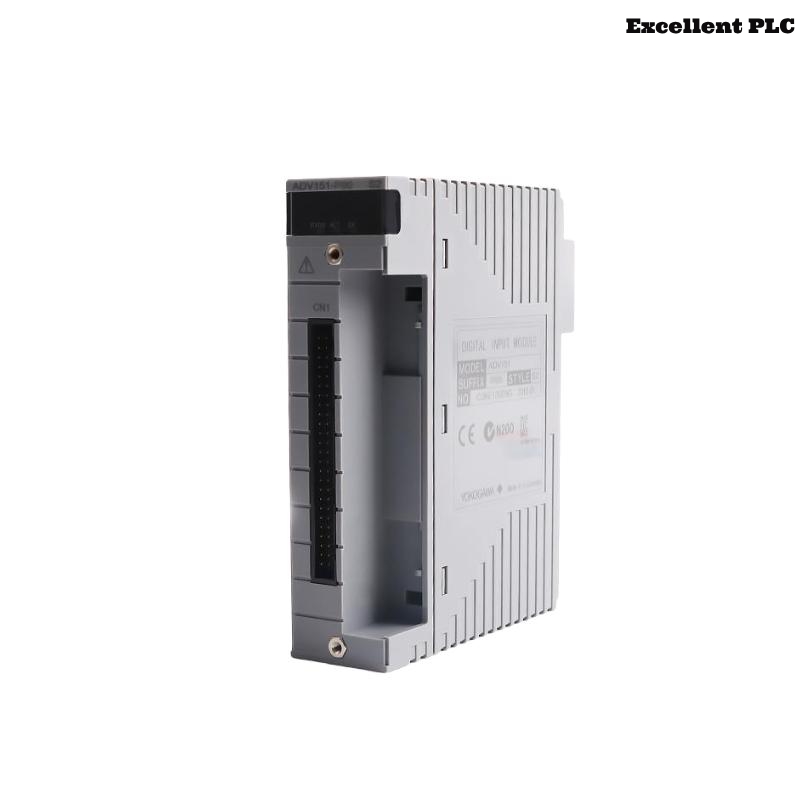
The Yokogawa AFG10D Duplexed Field Control Unit (FCU) is a high-availability controller used within Yokogawa CENTUM VP distributed control systems. The AFG10D serves as the core processing platform of a Field Control Station (FCS), executing control algorithms, communicating with field I/O subsystems, and supporting redundant architectures for mission-critical industrial applications. Its duplexed design allows continuous process control operation even when a controller, communication path, or power source experiences a failure. Proper installation and commissioning are essential to achieve maximum system availability and long-term reliability.
Contents
- 1. AFG10D Field Control Unit Overview
- 2. Technical Features
- 3. Typical Industrial Applications
- 4. Installation Planning
- 5. Hardware Inspection
- 6. Installation Environment
- 7. Rack Mounting Procedure
- 8. Power Supply Connections
- 9. Network Communication Connections
- 10. Grounding Requirements
- 11. Field I/O Connections
- 12. Commissioning Procedure
- 13. Functional Testing
- 14. Preventive Maintenance
- 15. Practical Installation Case
- 16. Frequently Asked Questions
AFG10D Field Control Unit Overview
The AFG10D is a duplexed Field Control Unit designed to provide redundant process control functionality within Yokogawa CENTUM VP systems. The controller communicates with field devices, executes control logic, supports redundant communication networks, and maintains synchronization between active and standby processors. The unit is designed for rack-mounted installation in industrial control cabinets.
Technical Features
- Duplexed controller architecture
- High-availability process control
- Redundant communication capability
- Rack-mounted installation
- Support for field I/O subsystems
- Continuous processor synchronization
Typical Industrial Applications
- Oil and gas production facilities
- Petrochemical complexes
- Chemical processing plants
- Power generation facilities
- Pharmaceutical manufacturing
- Large-scale process automation systems
Installation Planning
Proper engineering preparation simplifies installation and reduces commissioning time.
- Review system architecture drawings
- Verify cabinet space availability
- Confirm power requirements
- Review network topology
- Prepare I/O allocation plans
Hardware Inspection
- Verify model identification
- Inspect processor modules
- Check communication interfaces
- Inspect connectors and terminals
- Verify mounting accessories
Installation Environment
- Maintain adequate ventilation
- Avoid excessive humidity
- Protect against vibration
- Prevent conductive dust accumulation
- Maintain stable operating temperatures
Rack Mounting Procedure
- Disconnect all cabinet power sources.
- Install the rack assembly according to engineering drawings.
- Mount the AFG10D controller securely.
- Verify module seating.
- Inspect locking mechanisms.
- Confirm cable clearance requirements.
Power Supply Connections
- Connect primary power feeds
- Verify redundant power circuits
- Inspect protective devices
- Confirm voltage ratings
- Verify terminal tightness
Network Communication Connections
- Connect redundant network channels
- Verify cable routing
- Inspect network connectors
- Confirm communication redundancy
- Label all communication cables
Grounding Requirements
- Connect protective earth properly
- Verify cabinet bonding
- Maintain low grounding resistance
- Avoid multiple ground loops
- Inspect grounding continuity
Field I/O Connections
VERIFY CONTROLLER INSTALLATION
CONNECT REDUNDANT POWER
CONNECT COMMUNICATION NETWORKS
CONNECT FIELD I/O SYSTEM
VERIFY GROUNDING
CHECK CONFIGURATION
PREPARE COMMISSIONING
Commissioning Procedure
- Apply power to the controller
- Verify startup sequence
- Confirm processor synchronization
- Verify network communication
- Download application configuration
- Document commissioning results
Functional Testing
- Verify controller redundancy
- Test communication redundancy
- Verify field I/O communication
- Monitor diagnostic status
- Validate control functionality
Preventive Maintenance
- Inspect controller diagnostics regularly
- Review alarm history
- Inspect communication connections
- Verify redundancy operation periodically
- Maintain configuration backups
Practical Installation Case
During commissioning of a petrochemical process unit, engineers observed that the standby processor failed to synchronize with the active controller after system startup.
Inspection revealed that one redundant communication connection had not been fully engaged during installation. Although the active controller operated normally, synchronization traffic could not reach the standby processor.
After reconnecting the communication interface and restarting synchronization:
- Processor synchronization completed successfully.
- Redundant operation was restored.
- Field I/O communication remained stable.
- The control station entered normal production service.
Frequently Asked Questions
What is the primary function of the AFG10D?
The AFG10D functions as a duplexed Field Control Unit that executes control logic, manages field communications, and provides redundant process control capability within Yokogawa CENTUM VP systems.
Does the AFG10D support redundant operation?
Yes. The AFG10D is designed as a duplexed controller platform that supports redundant processor operation and high-availability control architectures.
Where is the AFG10D typically installed?
The AFG10D is typically installed in Field Control Stations within industrial process control systems that require continuous operation and fault-tolerant control capability.
Summary: Proper installation of the Yokogawa AFG10D Duplexed Field Control Unit requires secure rack mounting, reliable power wiring, redundant communication connections, effective grounding, and comprehensive commissioning. Following these procedures ensures dependable controller redundancy, reliable process control, and long-term system availability.