 Excellent PLC


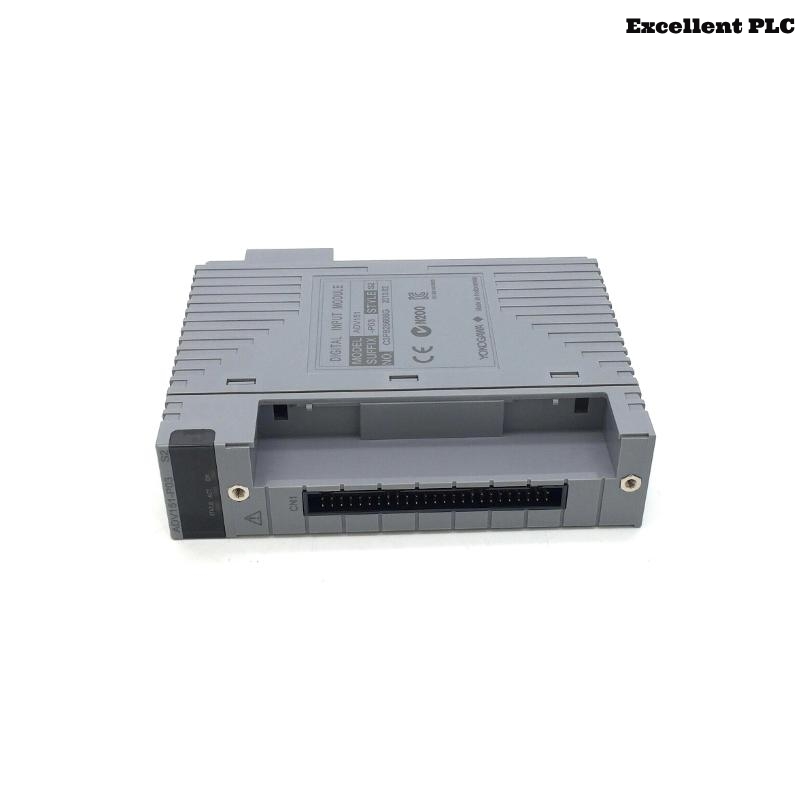
The Yokogawa AFG20D Duplexed Field Control Unit (FCU) is a high-availability process controller used in Yokogawa CENTUM VP distributed control systems. Designed with a redundant processor architecture, the AFG20D serves as the core processing unit of a Field Control Station (FCS), executing control strategies, managing field I/O communications, and maintaining continuous plant operation even during hardware failures. Proper installation, wiring, grounding, and commissioning are critical to ensure reliable performance, redundancy integrity, and long-term operational stability.
Contents
- 1. AFG20D Field Control Unit Overview
- 2. Technical Features
- 3. Typical Industrial Applications
- 4. Installation Planning
- 5. Hardware Inspection
- 6. Installation Environment
- 7. Rack Mounting Procedure
- 8. Power Supply Connections
- 9. Communication Network Connections
- 10. Grounding Requirements
- 11. Field I/O Connections
- 12. Commissioning Procedure
- 13. Functional Testing
- 14. Preventive Maintenance
- 15. Practical Installation Case
- 16. Frequently Asked Questions
AFG20D Field Control Unit Overview
The AFG20D is a duplexed Field Control Unit that provides redundant process control capabilities within CENTUM VP systems. The controller pair consists of active and standby processors that continuously synchronize operational data. If the active controller experiences a fault, the standby controller automatically assumes control, minimizing process disruption and maintaining system availability.
Technical Features
- Dual-redundant controller architecture
- Automatic processor switchover
- High-speed control execution
- Support for distributed field I/O systems
- Redundant communication interfaces
- Continuous synchronization capability
Typical Industrial Applications
- Oil and gas production facilities
- Petrochemical complexes
- Chemical manufacturing plants
- Power generation facilities
- Water treatment systems
- Large-scale industrial automation projects
Installation Planning
Careful installation planning improves system reliability and reduces commissioning delays.
- Review control system drawings
- Verify cabinet space requirements
- Confirm power system availability
- Review communication network design
- Prepare I/O allocation documentation
Hardware Inspection
- Verify model and revision information
- Inspect processor modules
- Check communication interfaces
- Inspect connectors and terminals
- Verify mounting accessories
Installation Environment
- Maintain adequate cabinet ventilation
- Avoid excessive humidity
- Protect equipment from vibration
- Prevent conductive dust accumulation
- Maintain recommended operating temperatures
Rack Mounting Procedure
- Disconnect all cabinet power sources.
- Install the controller rack assembly.
- Mount the AFG20D modules securely.
- Verify module seating.
- Inspect locking mechanisms.
- Confirm cable routing clearances.
Power Supply Connections
- Connect primary power feeds
- Verify redundant power sources
- Inspect protective devices
- Confirm voltage specifications
- Verify terminal security
Communication Network Connections
- Connect redundant communication channels
- Verify cable routing
- Inspect network connectors
- Confirm communication redundancy
- Label all network cables
Grounding Requirements
- Connect protective earth conductors
- Verify cabinet grounding integrity
- Maintain low grounding resistance
- Avoid ground loops
- Inspect grounding continuity
Field I/O Connections
VERIFY CONTROLLER INSTALLATION
CONNECT REDUNDANT POWER
CONNECT COMMUNICATION NETWORKS
CONNECT FIELD I/O SYSTEM
VERIFY GROUNDING
CHECK SYSTEM CONFIGURATION
PREPARE COMMISSIONING
Commissioning Procedure
- Apply power to both processors
- Verify startup diagnostics
- Confirm controller synchronization
- Verify network communications
- Download control applications
- Document commissioning results
Functional Testing
- Verify active and standby operation
- Test automatic controller switchover
- Verify field I/O communications
- Monitor diagnostic status
- Validate process control functions
Preventive Maintenance
- Inspect controller diagnostics regularly
- Verify redundancy operation periodically
- Inspect communication cables
- Maintain configuration backups
- Review alarm history routinely
Practical Installation Case
During commissioning of a petrochemical control system, engineers discovered that the standby AFG20D processor failed to synchronize after installation.
Investigation revealed that one redundant communication cable was connected to an incorrect network port. Although both processors powered up correctly, synchronization traffic could not be exchanged.
After correcting the network connection:
- Processor synchronization completed successfully.
- Redundant operation was restored.
- Automatic switchover testing passed.
- The Field Control Station entered normal service.
Frequently Asked Questions
What is the function of the AFG20D?
The AFG20D functions as a duplexed Field Control Unit that executes process control logic, manages field communications, and provides redundant controller operation within CENTUM VP systems.
Does the AFG20D support automatic failover?
Yes. The controller supports automatic switchover between active and standby processors when faults occur, helping maintain continuous process control.
Where is the AFG20D commonly used?
The AFG20D is commonly used in critical industrial processes where high availability and controller redundancy are required.
Summary: Proper installation of the Yokogawa AFG20D Duplexed Field Control Unit requires secure mounting, reliable power wiring, redundant communication connections, effective grounding, and comprehensive commissioning. Following these procedures ensures dependable redundancy, reliable control performance, and long-term operational availability.