 Excellent PLC


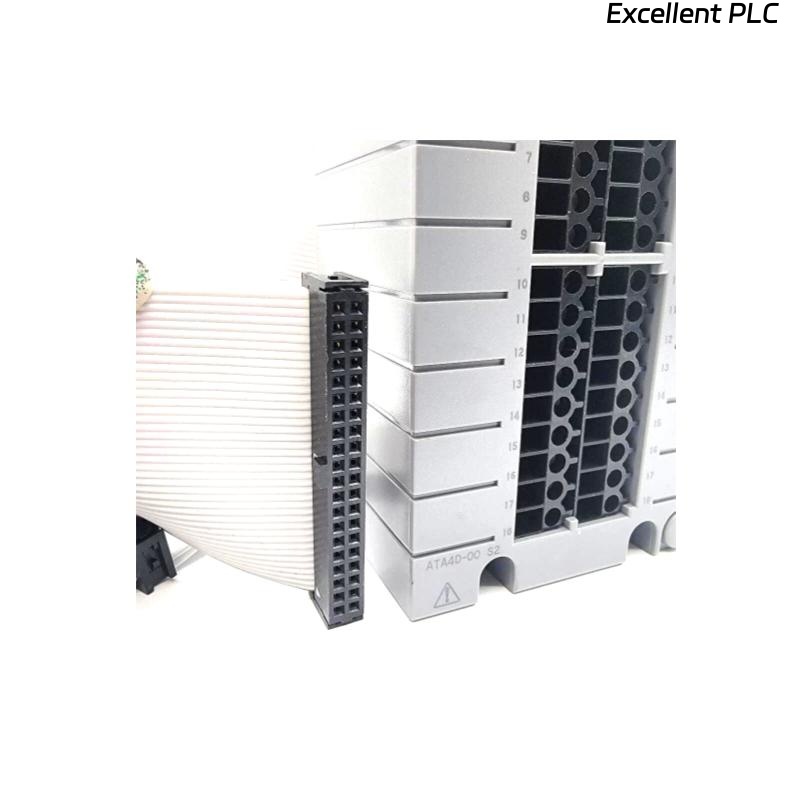
The Yokogawa ATA4D Dual-Redundant Pressure Clamp Terminal Block is a field wiring termination assembly used with Yokogawa CENTUM VP and CENTUM CS 3000 Distributed Control Systems (DCS). It provides pressure-clamp connections between field instruments and redundant analog I/O modules. Although the ATA4D contains no active electronic components, poor wiring practices, damaged terminals, connector problems, or environmental conditions may lead to signal interruption, unstable measurements, communication errors, or redundant channel failures. A systematic inspection of the terminal block and associated wiring is essential for reliable system operation.
Contents
- 1. Understanding Terminal Block Faults
- 2. Common Failure Symptoms
- 3. Typical Causes
- 4. Initial Inspection
- 5. Wiring Verification
- 6. Connector Inspection
- 7. Diagnostic Analysis
- 8. Recommended Troubleshooting Workflow
- 9. Corrective Actions
- 10. Functional Recovery Verification
- 11. Preventive Maintenance
- 12. Industrial Maintenance Case
- 13. Frequently Asked Questions
Understanding Terminal Block Faults
The ATA4D serves as the interface between field wiring and redundant analog I/O modules. Faults are generally mechanical or electrical rather than electronic. Common issues include loose conductors, improperly inserted wires, damaged pressure-clamp contacts, bent connector pins, cable insulation damage, incorrect terminal assignments, and corrosion caused by moisture or contaminants. These conditions may affect one or more analog channels and reduce overall system reliability.
Common Failure Symptoms
- Analog signal is lost.
- Intermittent process measurements.
- Unexpected channel alarms.
- Open-loop diagnostics reported by the DCS.
- Redundant channel mismatch.
- Unstable transmitter readings.
- High signal noise.
- Multiple channels fail simultaneously.
Typical Causes
- Improperly inserted field conductors.
- Damaged pressure-clamp contacts.
- Loose interface connector.
- Incorrect terminal assignment.
- Broken field cable.
- Poor cable shielding or grounding.
- Connector pin damage.
- Moisture or corrosion inside the cabinet.
- Mechanical damage during maintenance.
Initial Inspection
- Verify cabinet power is isolated before inspection.
- Inspect the ATA4D for physical damage.
- Check pressure-clamp terminals.
- Inspect interface connectors.
- Verify cable routing.
- Review DCS diagnostic messages.
Wiring Verification
- Verify terminal numbers against wiring drawings.
- Confirm wire insertion depth.
- Check conductor retention.
- Inspect cable insulation.
- Measure wiring continuity.
- Verify shield grounding at one end only.
Connector Inspection
- Inspect connector locking mechanisms.
- Check for bent or damaged pins.
- Ensure connectors are fully seated.
- Inspect for contamination.
- Verify redundant cable connections.
- Replace damaged connectors if necessary.
Diagnostic Analysis
| Observed Condition | Possible Diagnosis |
|---|---|
| Single analog channel unavailable | Loose wire or damaged pressure-clamp contact |
| Multiple channels fail | Loose interface connector or cable damage |
| Intermittent measurements | Poor conductor retention or vibration |
| High measurement noise | Improper shielding or grounding |
| Redundant channel mismatch | Incorrect wiring or connector installation |
Recommended Troubleshooting Workflow
CHECK DCS DIAGNOSTICS
INSPECT TERMINAL BLOCK
VERIFY CONNECTOR INSTALLATION
CHECK FIELD WIRING
TEST CONTINUITY
VERIFY SHIELD GROUNDING
CHECK REDUNDANT CONNECTIONS
CONFIRM NORMAL OPERATION
Corrective Actions
- Reconnect improperly inserted conductors.
- Replace damaged pressure-clamp terminals.
- Repair or replace damaged field cables.
- Correct terminal assignments.
- Clean contaminated connectors.
- Replace damaged interface connectors.
- Improve cable shielding and grounding.
- Replace the ATA4D if mechanical damage is confirmed.
Functional Recovery Verification
- Verify all field wiring connections.
- Measure loop continuity.
- Confirm stable analog measurements.
- Check redundant channel consistency.
- Review DCS diagnostics.
- Monitor system stability during operation.
Preventive Maintenance
- Inspect pressure-clamp terminals periodically.
- Verify conductor retention.
- Inspect connectors for wear.
- Maintain clean cabinet conditions.
- Review cable routing.
- Perform scheduled wiring inspections.
Industrial Maintenance Case
During routine maintenance at a petrochemical plant, operators reported intermittent pressure transmitter fluctuations on several redundant analog input channels. Inspection of the ATA4D terminal block revealed that multiple field conductors had not been fully inserted into the pressure-clamp terminals during previous maintenance work.
After reinserting the conductors, verifying connector engagement, checking loop continuity, and confirming proper shield grounding:
- All analog signals returned to stable operation.
- Redundant channels displayed identical measurements.
- DCS diagnostic alarms disappeared.
- Process control performance returned to normal.
Frequently Asked Questions
Can the ATA4D itself generate diagnostic alarms?
No. The ATA4D is a passive terminal block. However, wiring or connection problems within the terminal block can cause the connected I/O module to report signal or channel diagnostics.
Why are analog values unstable after maintenance?
The most common causes are incomplete wire insertion, loose connectors, incorrect terminal assignments, damaged cables, or poor shielding and grounding.
When should the ATA4D be replaced?
The terminal block should be replaced if pressure-clamp contacts are damaged, connector housings are cracked, terminal insulation is compromised, or mechanical damage prevents reliable field wiring connections.
Summary
Effective troubleshooting of the Yokogawa ATA4D Dual-Redundant Pressure Clamp Terminal Block focuses on field wiring quality, connector integrity, terminal condition, grounding, and continuity testing. Routine inspections and correct installation practices help ensure reliable analog signal transmission and long-term stability of Yokogawa CENTUM Distributed Control Systems.