 Excellent PLC


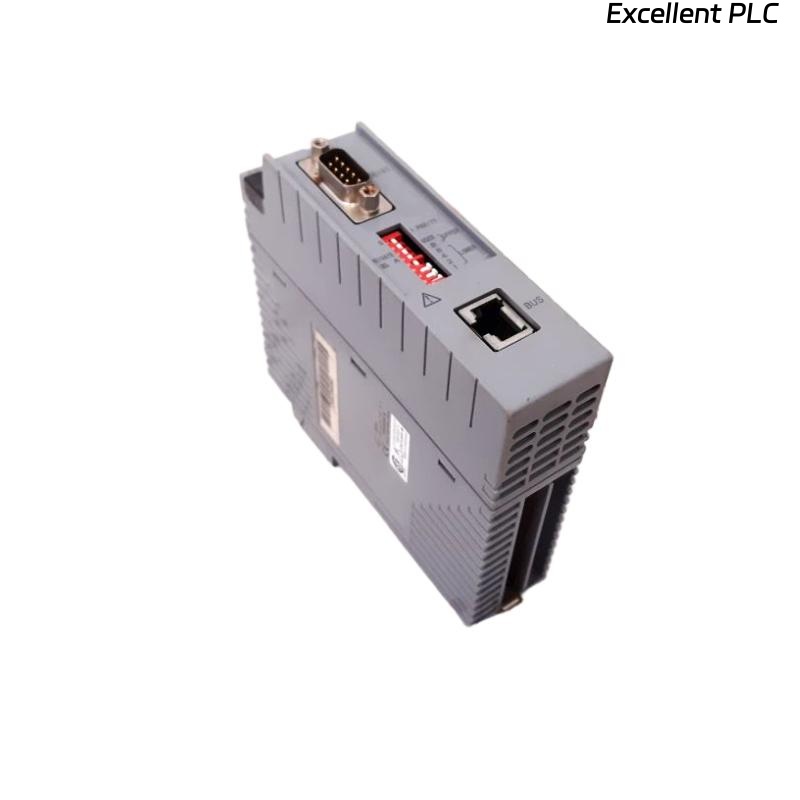
In modern industrial control rooms, automatic fire suppression systems are mandatory. However, accidental discharge of clean agent suppressants (e.g., FM-200, Novec 1230, CO₂) inside control cabinets can lead to unexpected contamination and latent damage to electronic modules. This report analyzes a real-world contamination incident involving a Yokogawa EB511 bus interface module, focusing on failure mode, cleaning procedures, and operational recovery.
1. Incident Description
-
Location: Gas processing station, control cabinet row 3B
-
Module Affected: Yokogawa EB511 bus interface (×1), adjacent modules (×5)
-
Fire System Type: FM-200 (HFC-227ea)
-
Event Trigger: False alarm due to optical detector fault
-
Agent Discharge Time: 1.8 seconds
-
Total Concentration: 8.1% per volume
-
Cabinet Intrusion: Moderate (cabinet not sealed)
Although FM-200 is marketed as a non-residue clean agent, it can cause condensation, ionic deposits, or moisture absorption when combined with ambient humidity or existing particulates.
2. Immediate Observed Effects
After discharge, operators reported the following:
-
Control network intermittent loss for 12–14 seconds
-
EB511 link LED blinking irregularly
-
Two peripheral I/O stations dropped from bus
-
No smoke or burning smell detected
Module continued to function but entered degraded communication state.
3. Post-Event Inspection Results
Technicians removed the cabinet doors and extracted the affected modules. Findings were documented as follows:
| Inspection Item | Result |
|---|---|
| PCB surface residue | Light white film on top layer |
| Connector contacts | Slight dulling, no pitting |
| Shield lock | Normal |
| Bus connector | Slight particulate accumulation |
| Housing | No cracks or deformation |
Surface swab tests indicated presence of:
-
Ammonium salts
-
Carbon-based particulates
-
Moisture content ~3.2%
These contaminants can increase leakage current and reduce insulation resistance.
4. Electrical Testing and Measurement
Using a calibrated 500 V insulation tester:
| Test Point | Pre-Cleaning | Post-Cleaning |
|---|---|---|
| Signal-to-Ground | 42 MΩ | 183 MΩ |
| Power-to-Ground | 36 MΩ | 220 MΩ |
| Signal-to-Power | 61 MΩ | 198 MΩ |
Industry minimum acceptable level: >100 MΩ for low-voltage communication electronics.
5. Cleaning and Recovery Procedure
A structured decontamination procedure was applied:
-
Compressed dry air at ≤ 0.5 bar to remove loose particulates
-
Isopropyl alcohol (IPA 99%) wipe on exposed contacts
-
Ultrasonic cleaning for PCB-only test unit (not installed modules)
-
Low-temperature bake at 55°C for 3 hours to remove moisture
-
Final insulation resistance test
Total processing time: ~4.5 hours
6. Diagnostic Monitoring Script
After reinstalling, communication logs were captured for 72 hours. A simplified analysis snippet:
Recorded over 72 hours:
-
Timeout Errors: 0
-
CRC Faults: 2
-
Average Bus Latency: 1.2 ms (normal range: 1.0–1.5 ms)
Module considered fully operational.
7. Risk Analysis
Main risk in such events isn’t electronic burn-out but:
-
Ionic contamination
-
Moisture-induced leakage
-
Contact oxidation over weeks to months
Without cleaning, delayed failures within 60–180 days are common.
8. Preventive Recommendations
To prevent recurrence in similar control rooms:
✔ Disable automatic discharge in cabinets during maintenance
✔ Install cabinet sealing kits for critical PLC/DCS racks
✔ Use non-pressurized suppression verification cycles
✔ Apply conformal coating to high-risk communication modules
✔ Perform annual insulation resistance checks
Control rooms often overlook residue risk from “clean agents”, but this case demonstrates measurable electrical degradation.
9. Conclusion
The Yokogawa EB511 did not fail immediately after suppressant discharge, but contamination significantly reduced insulation resistance and degraded bus communication. After proper cleaning, controlled drying, and verification, the module returned to normal service. This type of “soft failure” is rarely documented but relevant to modern industrial safety systems.