 Excellent PLC


1. Incident Summary
During a planned software upgrade procedure on a Yokogawa CP471-based control system, the upgrade operation failed mid-process and resulted in a complete system crash. The failure left the controller unable to execute application logic and caused significant production downtime. This post-mortem analysis examines root causes, missed safeguards, and recommended remediation strategies.
2. System Context
-
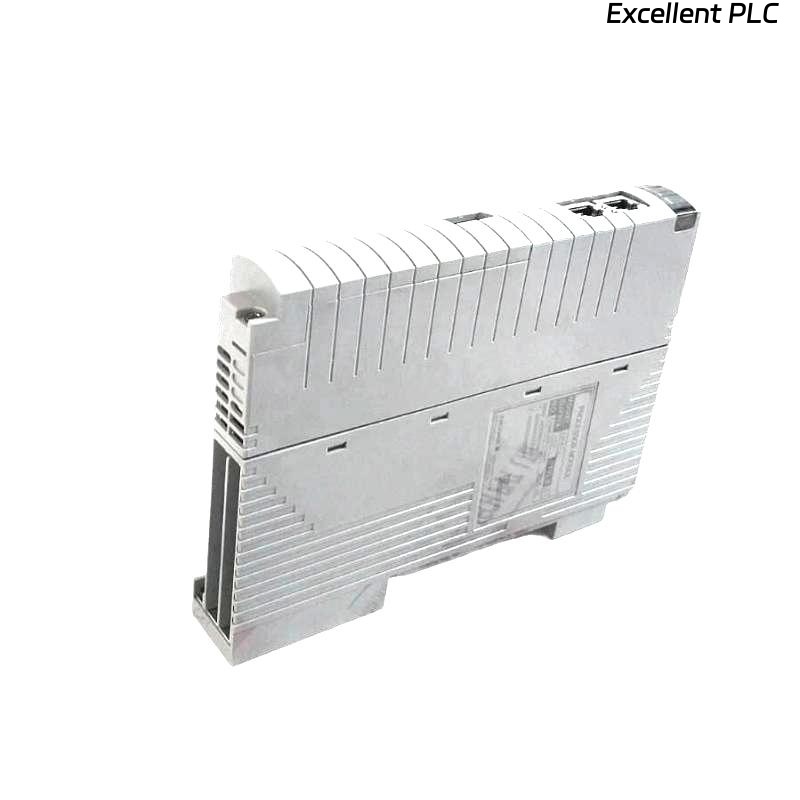
Controller Model: Yokogawa CP471 Processor Module
-
Firmware Source: Internal maintenance server repository
-
Upgrade Type: Application firmware + network communication stack update
-
System Role: Primary logic execution for packing line motion control
-
Backup Controller: Not present (single-controller topology)
The absence of redundancy amplified operational impact.
3. Timeline of Events
2025-02-18 22:14 — Maintenance Window Start
Maintenance team initiates scheduled firmware upgrade during night shift.
2025-02-18 22:17 — Upgrade Deployment Executed
Upgrade tool pushes firmware to CP471.
2025-02-18 22:19 — Unexpected Error During Validation Stage
Upgrade utility reports checksum mismatch:
2025-02-18 22:20 — Forced Reboot Initiated
Controller fails to boot and enters recovery mode.
2025-02-18 22:21 — System Crash Confirmed
SCADA logs show loss of heartbeat:
Production line halts.
4. Root Cause Analysis
Investigation identified several contributing failures:
A. Firmware-to-Firmware Incompatibility
The upgrade package contained:
-
Communication Stack: Rev 4.02
-
Application Firmware: Rev 2.71
However, compatibility matrix required:
This mismatch caused runtime linking failures during boot.
B. Incomplete Dependency Validation
Upgrade tool failed to enforce dependency checks before installation.
This omission allowed a partially valid but incompatible image to be committed.
C. Change Control Gap
Maintenance documentation revealed:
-
No pre-upgrade simulation
-
No version compatibility review
-
No rollback plan defined
-
No backup controller online
D. Communication Interruption During Flashing
Network logs indicate packet loss on upgrade VLAN:
Leading to firmware image corruption on write.
5. Failure Effects
Impacts included:
-
System unable to execute logic
-
Loss of motion control for packing line
-
Production halted for 3.5 hours
-
Mandatory manual override for safety devices
-
Operator alarms flooded HMI terminals
No personnel injury occurred, but production KPIs were heavily affected.
6. Remediation Actions
Technicians performed emergency recovery:
1. Firmware Re-Flashing via Recovery Mode
-
Loaded validated firmware set: App 3.10 + Comm 4.02
2. Application Logic Restore
Using engineering workstation backups:
3. System Validation
-
I/O connectivity tests
-
Motion control interlock verification
-
Safety device handshake validation
After 3.2 hours, line resumed full operation.
7. Preventive Lessons Learned
A. Compatibility Matrix Enforcement
DCS vendors provide compatibility tables; ignoring them risks crashes.
Recommendation: integrate automated matrix validation into upgrade tools.
B. Redundancy Importance
Single-controller topologies are high-risk during software changes.
Recommendation: dual CP471 redundancy for critical lines.
C. Mandatory Rollback Strategy
Every firmware deployment must include:
✔ Rollback firmware packages
✔ Logic backups
✔ Configuration archives
✔ Network isolation plans
D. Change Management Controls (MOC)
Effective firmware updates require:
-
Pre-change risk assessment
-
Approval workflow
-
Simulation testing
-
Post-change validation checklist
-
Sign-off by automation + IT teams
8. Recommendations for Operational Excellence
To align with modern industrial software lifecycle best practices:
✔ Adopt DevOps Principles into OT
-
Version control for logic programs
-
Repository-based firmware management
-
Automated compatibility checks
✔ Implement Upgrade Staging
Three-stage pipeline:
-
Sandbox environment
-
Shadow system (offline)
-
Production deployment
✔ Introduce Observability
Monitor during upgrade windows:
-
Network packet loss
-
Controller boot logs
-
SCADA heartbeat
-
Error counters
9. Conclusion
Software upgrade failures on Yokogawa CP471 modules typically arise not from hardware failures but from compatibility, dependency, and change control gaps. With proper versioning discipline, redundancy architecture, and structured MOC processes, plants can dramatically reduce upgrade-related outages and improve automation reliability.