 Excellent PLC


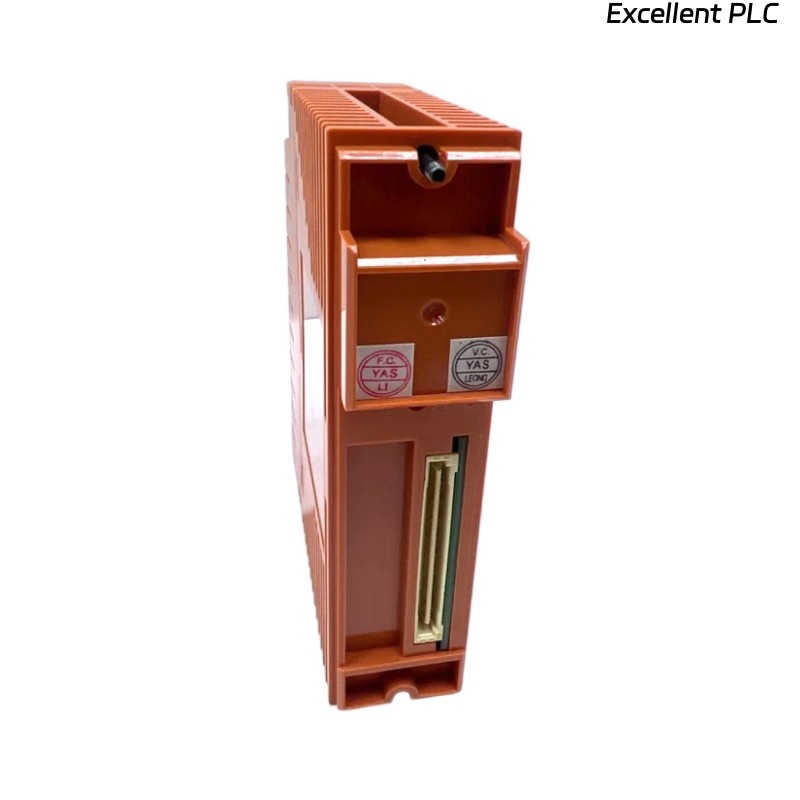
Table of Contents
- EC401 Fault Diagnosis Entry
- Communication Module Fault Symptoms
- Engineering Troubleshooting Analysis
- Common Causes of ESB Communication Faults
- Diagnostic Workflow and Communication Verification
- Corrective Actions and System Recovery
- Real Industrial Troubleshooting Experience
- Troubleshooting FAQ
- Final Technical Summary
EC401 Fault Diagnosis Entry
YOKOGAWA EC401 Troubleshooting commonly identifies unstable grounding continuity, EMI interference, improper communication wiring, and connector instability as major causes of industrial automation communication failures.
Communication Module Fault Symptoms
- Intermittent ESB communication loss
- Controller communication timeout alarms
- Unstable remote I/O data updates
- Communication diagnostic alarm activation
- Unexpected automation system interruptions
Engineering Troubleshooting Analysis
Experienced field engineers isolate ESB communication faults by evaluating grounding continuity, cable routing integrity, and communication diagnostics before replacing communication hardware.
- Verify communication cable integrity
- Inspect grounding continuity throughout the cabinet
- Check communication routing near high-voltage equipment
- Then evaluate module hardware diagnostics
  // ESB Communication Diagnostic Logic
  IF Communication_Loss = TRUE THEN
      Verify_ESB_Cabling();
      Inspect_Grounding_System();
  ELSE IF EMI_Interference = TRUE THEN
      Separate_Communication_Wiring();
      Verify_Shielding_Integrity();
  ELSE
      Test_Coupler_Module();
  END_IF;
Common Causes of ESB Communication Faults
- Improper communication cable routing
- Ground loop interference
- Loose communication connectors
- EMI exposure from power equipment
- Cabinet overheating conditions
Diagnostic Workflow and Communication Verification
- Inspect ESB communication diagnostics
- Measure communication continuity and stability
- Verify grounding continuity throughout the cabinet
- Compare communication performance across connected systems
Corrective Actions and System Recovery
- Repair grounding continuity problems
- Separate communication cables from power wiring
- Secure communication connectors and terminals
- Improve cabinet ventilation and cooling airflow
Real Industrial Troubleshooting Experience
In a petrochemical automation system, repeated ESB communication interruptions occurred during plant startup:
- Remote I/O stations disconnected intermittently
- Communication alarms appeared during high-load operation
Investigation revealed:
- Communication cables routed beside high-voltage power lines
- Loose grounding continuity connections
After corrective actions:
- Separated communication and power cable routing
- Improved grounding continuity integrity
Result:
- Stable ESB communication restored
- Communication interruption faults eliminated
Troubleshooting FAQ
Why does intermittent communication instability occur?
EMI interference, unstable grounding continuity, and improper cable routing are common causes.
Can poor ventilation affect communication module reliability?
Yes. Excessive temperature conditions may reduce communication stability and module reliability.
Should the communication module be replaced immediately after communication loss occurs?
No. Communication wiring, grounding continuity, and EMI exposure should be inspected first.
Final Technical Summary
The YOKOGAWA EC401 Troubleshooting Guide highlights that successful Fault Diagnosis depends on stable communication wiring, reliable grounding continuity, optimized cable routing, and disciplined industrial automation analysis.