 Excellent PLC


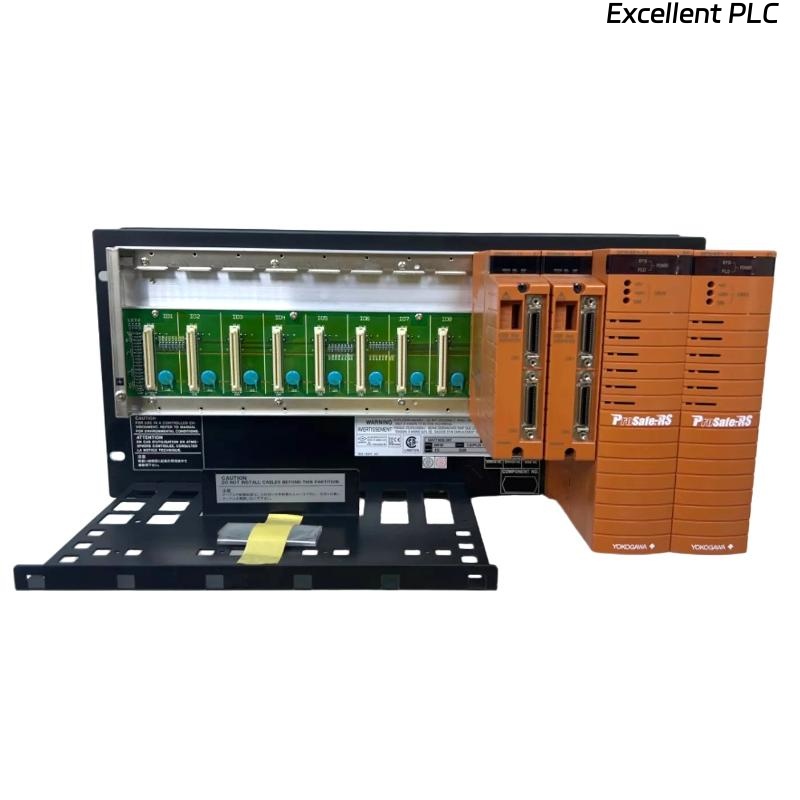
Yokogawa SSC10S-F fault diagnosis should begin with communication status, field signal integrity, and configuration history rather than immediate hardware replacement. In most Safety Instrumented Systems, external conditions create the majority of controller-related alarms.
Contents
- SSC10S-F Fault Symptoms
- Common Failure Patterns in Safety Systems
- SSC10S-F Fault Diagnosis Methodology
- Practical Troubleshooting Workflow
- Repair and Recovery Recommendations
- Real Failure Investigation
- FAQ
Yokogawa SSC10S-F Fault Symptoms
Typical SSC10S-F fault reports include:
- Controller communication failure
- Unexpected safety shutdown
- I/O channel diagnostics
- Logic execution alarm
- Power supply fault indication
- System configuration mismatch
- Field signal loss
The same symptom may originate from several different root causes.
Common Causes of SSC10S-F Safety Control Unit Faults
- Loose communication connectors
- Shield grounding defects
- Power supply instability
- Incorrect application download
- Faulty field transmitter signals
- Network switch issues
- Excessive cabinet temperature
Experienced engineers often investigate external influences before suspecting controller hardware.
SSC10S-F Fault Diagnosis Methodology
A structured Fault Diagnosis process reduces troubleshooting time significantly.
Observation Stage
Determine whether the fault is continuous or intermittent.
Correlation Stage
Review maintenance records and recent modifications.
Verification Stage
Validate communications, power quality, and signal integrity.
Confirmation Stage
Confirm root cause before replacing components.
This engineering approach avoids unnecessary downtime and spare part consumption.
SSC10S-F Troubleshooting Workflow
READ EVENT HISTORY
CHECK POWER STATUS
VERIFY COMMUNICATION
CHECK I/O CHANNELS
COMPARE CONFIGURATION
VERIFY FIELD SIGNALS
CONFIRM ROOT CAUSE
One of the most effective troubleshooting techniques is comparing current configuration files against the last verified backup.
SSC10S-F Repair and Recovery Recommendations
| Fault Condition | Likely Cause | Corrective Action |
|---|---|---|
| Communication Failure | Network issue | Inspect switches and cables |
| I/O Alarm | Field wiring problem | Verify terminal connections |
| Unexpected Shutdown | Input signal activation | Review trip sequence records |
| Configuration Alarm | Database mismatch | Restore validated configuration |
| Power Fault | Supply instability | Measure incoming voltage |
Real SSC10S-F Fault Troubleshooting Case
A refinery safety shutdown system reported repeated communication diagnostics and occasional logic execution warnings.
Observed data included:
- Power supply: 24.0 VDC
- CPU utilization: 48%
- Cabinet temperature: 47°C
- Network packet retries: increasing continuously
The maintenance team initially suspected a controller fault.
However, detailed troubleshooting identified a failing cooling fan inside the cabinet.
During peak daytime operation:
- Cabinet temperature reached 58°C
- Communication errors increased significantly
- Processor diagnostics remained normal
After replacing the cooling fan and cleaning airflow filters:
- Cabinet temperature dropped to 34°C
- Communication retries reduced by over 90%
- All controller alarms cleared
The investigation demonstrated that environmental conditions can directly affect Safety Control Unit performance.
SSC10S-F Troubleshooting FAQ
Does a communication alarm always indicate controller failure?
No. Network devices, cable shielding, grounding issues, and environmental factors frequently generate communication alarms.
What is the first step in SSC10S-F fault diagnosis?
Review event history and identify whether any system modifications occurred before the fault appeared.
Should the controller be replaced immediately after a logic execution alarm?
No. Configuration consistency, signal quality, and system resources should be verified before considering hardware replacement.
Summary: Effective SSC10S-F Troubleshooting combines systematic fault diagnosis, signal analysis, communication verification, environmental inspection, and configuration review to identify the true root cause of safety system problems.