 Excellent PLC


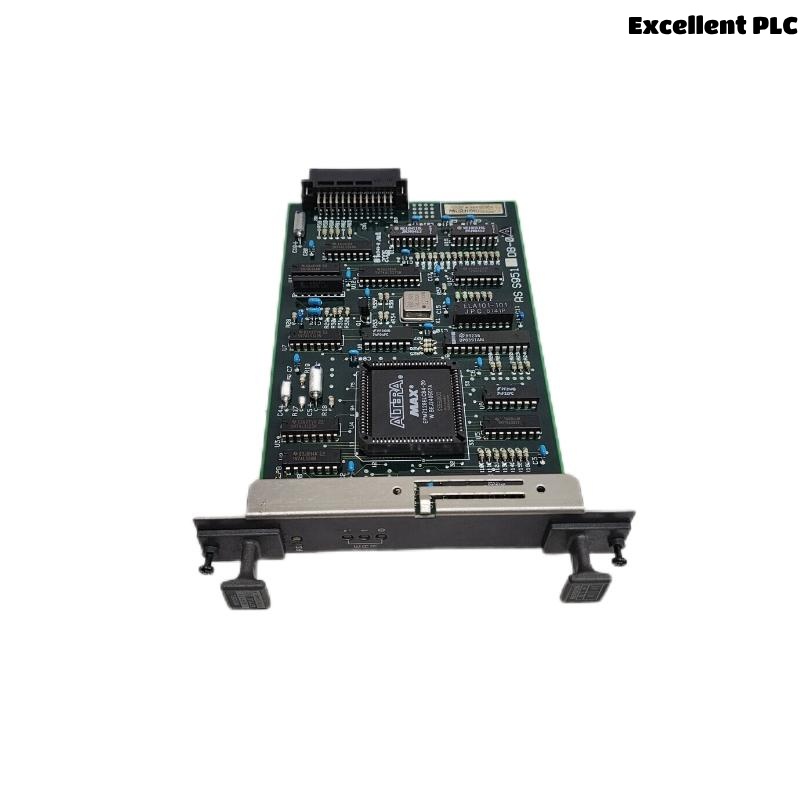
The Yokogawa AIP171 V net Transceiver Control Unit is a communication interface module designed for Yokogawa CENTUM Distributed Control Systems (DCS). It serves as the communication gateway between controllers, Human Interface Stations (HIS), Engineering Stations (ENG), and other network devices connected through the V net control network. The AIP171 is responsible for high-speed data transmission, network synchronization, and reliable message exchange required for real-time process control. Proper installation, communication wiring, grounding, and commissioning are essential to ensure stable V net operation, high network availability, and dependable industrial automation performance.
Contents
- 1. Product Overview
- 2. Main Features
- 3. Typical Applications
- 4. Installation Preparation
- 5. Hardware Inspection
- 6. Module Installation
- 7. Power Connections
- 8. V net Communication Connections
- 9. Grounding Requirements
- 10. Commissioning Procedure
- 11. Functional Testing
- 12. Preventive Maintenance
- 13. Practical Installation Case
- 14. Frequently Asked Questions
Product Overview
The AIP171 provides communication control for Yokogawa V net networks by managing network traffic between field control stations, operator stations, engineering workstations, and system infrastructure. It supports deterministic communication required for process automation systems and is designed for continuous operation in industrial environments.
Main Features
- Dedicated V net communication interface
- High-speed deterministic data transmission
- Industrial-grade reliability
- Continuous network operation
- Compact modular construction
- High communication stability
- Fast system response
- Easy integration with Yokogawa DCS architecture
Typical Applications
- CENTUM process control systems
- Oil and gas facilities
- Petrochemical complexes
- Chemical manufacturing plants
- Power generation stations
- Large industrial automation networks
Installation Preparation
- Review system network drawings.
- Verify module compatibility.
- Prepare cabinet installation location.
- Inspect V net communication cables.
- Verify power availability.
Hardware Inspection
- Verify module model number.
- Inspect communication ports.
- Check module housing.
- Verify supplied accessories.
- Inspect for shipping damage.
Module Installation
- Disconnect cabinet power.
- Insert the module into the designated rack slot.
- Secure the retaining mechanism.
- Verify connector engagement.
- Inspect module alignment.
Power Connections
- Connect the specified power source.
- Verify supply voltage.
- Inspect protective devices.
- Verify wiring polarity.
- Confirm power indicators after startup.
V net Communication Connections
- Connect V net communication cables.
- Verify network topology.
- Confirm connector engagement.
- Label communication cables.
- Verify network status indicators.
Grounding Requirements
- Connect protective earth.
- Maintain low grounding resistance.
- Avoid ground loops.
- Verify cabinet grounding continuity.
- Inspect grounding conductors periodically.
Commissioning Procedure
VERIFY INSTALLATION
CONNECT POWER
VERIFY GROUNDING
CONNECT V NET
POWER UP MODULE
VERIFY NETWORK STATUS
TEST COMMUNICATION
VALIDATE SYSTEM OPERATION
START NORMAL SERVICE
Functional Testing
- Verify successful startup.
- Confirm V net communication.
- Check network indicators.
- Validate communication with connected stations.
- Review diagnostic information.
Preventive Maintenance
- Inspect communication cables regularly.
- Clean communication connectors.
- Review network diagnostic logs.
- Inspect cabinet cooling.
- Maintain network documentation.
Practical Installation Case
During commissioning of a refinery control network, an AIP171 module could not establish communication with the engineering workstation.
Inspection revealed that the V net cable had been connected to the incorrect network segment during installation.
After reconnecting the communication cable correctly:
- Network communication was immediately restored.
- Engineering station access became available.
- Controller data synchronized successfully.
- The DCS entered normal production operation.
Frequently Asked Questions
What is the primary function of the AIP171?
The AIP171 manages communication between Yokogawa controllers, operator stations, engineering stations, and other devices connected through the V net industrial control network.
Can the AIP171 operate continuously?
Yes. The module is designed for continuous industrial operation and supports the high availability required for process control systems.
What should be verified before startup?
Verify module installation, power wiring, communication cable connections, grounding, network topology, and communication status indicators before commissioning.
Summary
Proper installation of the Yokogawa AIP171 V net Transceiver Control Unit requires careful module inspection, secure rack installation, correct V net communication wiring, reliable power connections, effective grounding, and comprehensive commissioning. Following these procedures ensures dependable network communication, stable controller connectivity, and long-term process automation reliability.