 Excellent PLC


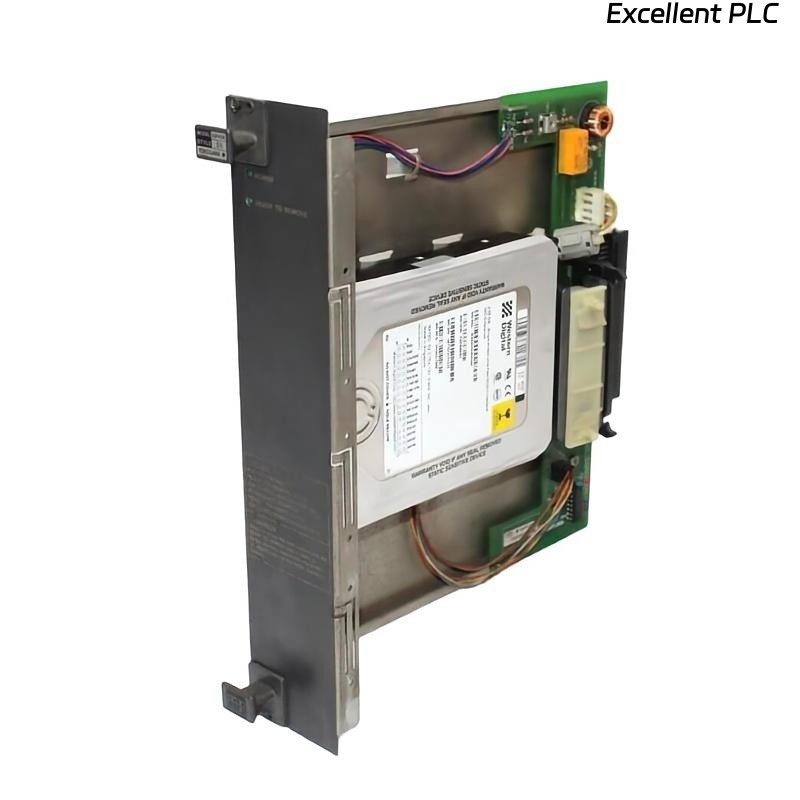
The Yokogawa AIP434 Hard Disk Module is an industrial-grade storage device designed for Yokogawa Distributed Control Systems (DCS), Engineering Workstations (ENG), Human Interface Stations (HIS), application servers, and other automation computing platforms. It provides secure, non-volatile storage for operating systems, engineering databases, process history, alarm logs, application software, configuration files, and backup images. Built for continuous operation in harsh industrial environments, the AIP434 offers high reliability, stable data retention, and long service life. Proper installation, electrostatic protection, storage configuration, and commissioning are essential to ensure reliable data integrity and uninterrupted system operation.
Contents
- 1. Product Overview
- 2. Main Features
- 3. Typical Applications
- 4. Installation Preparation
- 5. Hardware Inspection
- 6. Hard Disk Module Installation
- 7. Storage Configuration
- 8. Power and Interface Connections
- 9. Commissioning Procedure
- 10. Functional Testing
- 11. Preventive Maintenance
- 12. Backup and Data Protection
- 13. Practical Installation Case
- 14. Frequently Asked Questions
Product Overview
The AIP434 Hard Disk Module functions as the primary storage medium for industrial automation systems. It stores the operating system, engineering applications, configuration databases, process history, audit logs, recipes, alarm records, and other critical operational data required for continuous plant operation.
Main Features
- Industrial-grade hard disk module
- Reliable long-term data retention
- High storage stability
- Continuous industrial operation
- Fast data access performance
- Support for engineering databases
- Compact modular design
- Designed for Yokogawa automation platforms
Typical Applications
- Engineering Workstations (ENG)
- Human Interface Stations (HIS)
- Application Servers
- Historical Data Servers
- Distributed Control Systems
- Industrial Information Management Systems
Installation Preparation
- Back up all existing system data.
- Verify module compatibility.
- Review installation procedures.
- Prepare electrostatic discharge (ESD) protection.
- Shut down the host system correctly.
Hardware Inspection
- Verify the module model number.
- Inspect the drive enclosure.
- Check interface connectors.
- Inspect mounting hardware.
- Verify there is no shipping damage.
Hard Disk Module Installation
- Disconnect system power.
- Wear appropriate ESD protection.
- Install the module into the designated drive bay.
- Secure the module using the specified mounting hardware.
- Connect power and interface cables.
- Verify connector engagement.
Storage Configuration
- Verify drive detection during startup.
- Restore the operating system if required.
- Restore engineering software.
- Recover configuration databases.
- Verify storage partition integrity.
Power and Interface Connections
- Verify stable power supply.
- Inspect interface cable connections.
- Check connector locking.
- Confirm proper startup indicators.
- Verify normal storage operation.
Commissioning Procedure
VERIFY INSTALLATION
CONNECT POWER
VERIFY STORAGE DETECTION
INSTALL OR RESTORE SYSTEM SOFTWARE
RESTORE DATABASES
VERIFY FILE ACCESS
TEST APPLICATIONS
START NORMAL OPERATION
Functional Testing
- Verify successful system startup.
- Confirm storage recognition.
- Test read and write performance.
- Validate engineering database access.
- Review diagnostic information.
Preventive Maintenance
- Perform scheduled data backups.
- Monitor storage health.
- Inspect cooling airflow.
- Review diagnostic logs.
- Replace aging storage devices during planned shutdowns.
Backup and Data Protection
- Maintain regular full-system backups.
- Back up engineering projects before software upgrades.
- Store backup media separately from the control system.
- Verify backup integrity through periodic recovery testing.
- Maintain disaster recovery documentation.
Practical Installation Case
During modernization of a power plant engineering workstation, an AIP434 Hard Disk Module was installed to replace an aging storage device.
Although the hardware installation was completed successfully, the workstation failed to access historical databases because the latest backup had not been restored.
After restoring the engineering database and process history:
- The workstation booted successfully.
- Historical data became fully accessible.
- Engineering software functioned normally.
- The maintenance team resumed plant support operations without data loss.
Frequently Asked Questions
What is the primary function of the AIP434?
The AIP434 provides secure industrial storage for operating systems, engineering software, historical databases, alarm records, configuration files, and other critical automation data.
Why should backups be created before replacement?
Backups protect engineering databases, configuration files, historical process data, and system software from accidental loss during storage replacement or system upgrades.
What should be verified after installation?
Verify drive detection, operating system startup, application functionality, database accessibility, file integrity, and overall system stability before returning the equipment to service.
Summary
Proper installation of the Yokogawa AIP434 Hard Disk Module requires careful electrostatic handling, secure mechanical installation, reliable interface connections, correct storage configuration, complete data restoration, and comprehensive functional testing. Following these procedures ensures dependable industrial data storage, reliable automation system performance, and long-term operational stability.