 Excellent PLC


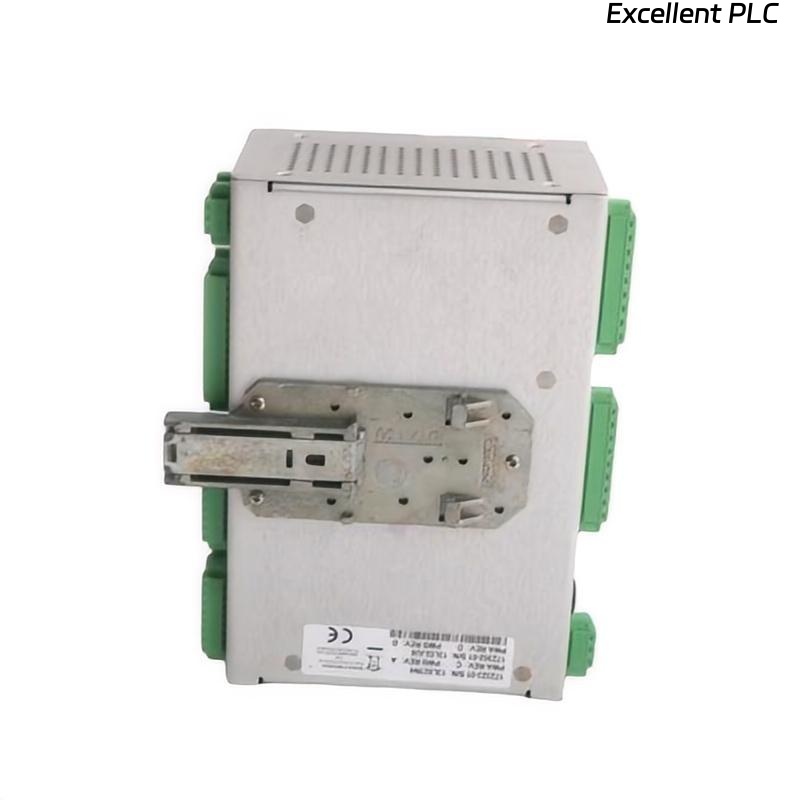
Bently Nevada 1900/65A 172323-01 General Purpose Equipment Monitor Troubleshooting Guide Based on Multi-Signal Conflict Analysis
Table of Contents
- When Different Signals Tell Different Stories
- Identifying Contradictions Between Parameters
- Engineering Analysis of Signal Conflict
- Fault Diagnosis Logic for 1900/65A Monitor
- Real Case: Vibration Alarm Without Supporting Evidence
- Corrective Action
- FAQ
- Technical Summary
When Different Signals Tell Different Stories
Bently Nevada 1900/65A 172323-01 troubleshooting often starts when vibration data indicates a fault, but temperature and speed data do not support it.
Identifying Contradictions Between Parameters
Observed data:
- Vibration: 45 mm/s (alarm)
- Temperature: 60°C (normal)
- Speed: stable
This contradiction suggests measurement issue.
Engineering Analysis of Signal Conflict
Normally:
- Vibration ↑ → temperature ↑
- Vibration ↑ → load change
No correlation → suspect signal chain.
Fault Diagnosis Logic for 1900/65A Monitor
IF vibration_high AND other_parameters_normal:
    CHECK:
        sensor wiring
        channel configuration
        EMI interference

IF only one channel abnormal:
    isolate channel
Real Case: Vibration Alarm Without Supporting Evidence
Investigation:
- Sensor output unstable (noise spikes)
- Cable routed near high-current motor line
Result:
- False vibration reading generated
Corrective Action
- Re-routed cable
- Improved shielding
- Recalibrated input channel
Final:
- Vibration stabilized at 23 mm/s
FAQ
Why does only one channel show abnormal data?
This is often caused by localized wiring or sensor issues rather than system-wide faults.
How to confirm if vibration data is real?
Cross-check with temperature, speed, and independent measurement tools.
Technical Summary
Bently Nevada 1900/65A 172323-01 troubleshooting requires analyzing conflicts between multiple signals rather than focusing on one parameter. Field experience shows that most false alarms originate from signal interference or configuration errors. Multi-parameter correlation ensures accurate fault diagnosis and avoids unnecessary maintenance actions.