 Excellent PLC


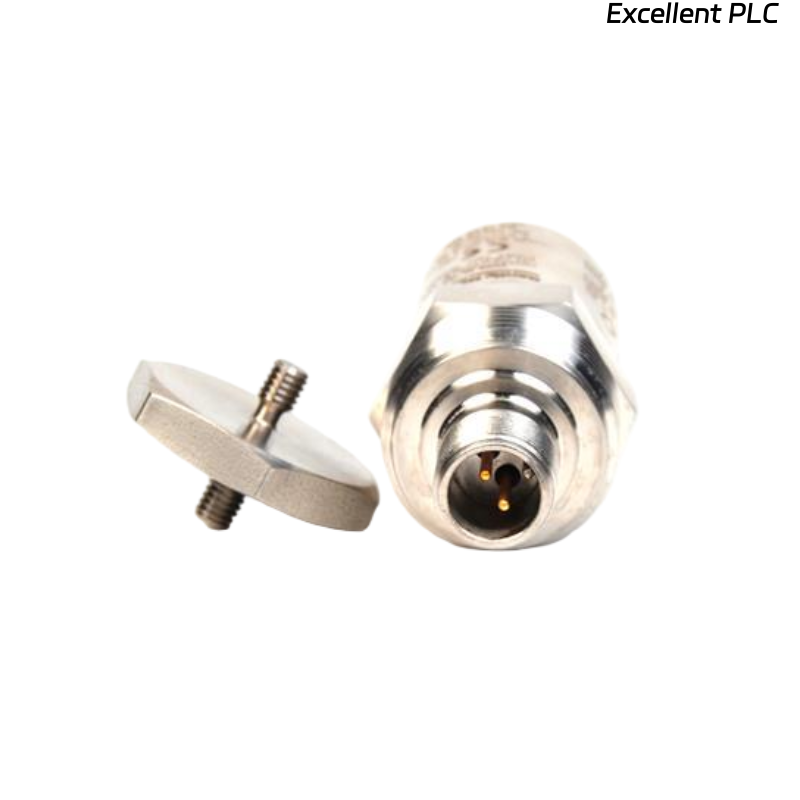
Bently Nevada 190501-00-00-00 Velomitor CT Speed Sensor Troubleshooting Guide for Signal Instability
Table of Contents
- Common Causes of Signal Instability
- Diagnostic Steps for Identifying Issues
- Wiring Issues Leading to Instability
- Sensor Alignment Problems
- Environmental Factors Affecting Signal
- How to Fix Signal Instability
- FAQ
- Technical Summary
Common Causes of Signal Instability
The Velomitor CT sensor provides a reliable speed reading under normal conditions. However, when signal instability occurs, it is typically due to one or more of the following:
- Incorrect sensor alignment
- Electrical interference or grounding issues
- Wiring problems (e.g., damaged cables, loose connections)
- Physical obstruction or misalignment of the sensor to the target
Diagnostic Steps for Identifying Issues
Follow these steps to diagnose signal instability:
- Measure the output signal with a multimeter or oscilloscope to verify its stability.
- Check for any irregular fluctuations that are not consistent with the expected operational range.
- Ensure the signal output is within the sensor’s specified range (0–5 VDC or 4–20 mA).
Wiring Issues Leading to Instability
Wiring-related instability is common, especially in noisy environments:
- Check for damaged cables or exposed conductors.
- Ensure cables are shielded and not running parallel to high-voltage power lines.
- Inspect for any loose or corroded connections at the sensor or wiring terminals.
Sensor Alignment Problems
Misalignment is one of the most common causes of signal instability:
- Ensure the sensor is correctly aligned with the rotating target.
- Verify that the gap between the sensor and the target is within the recommended range.