 Excellent PLC


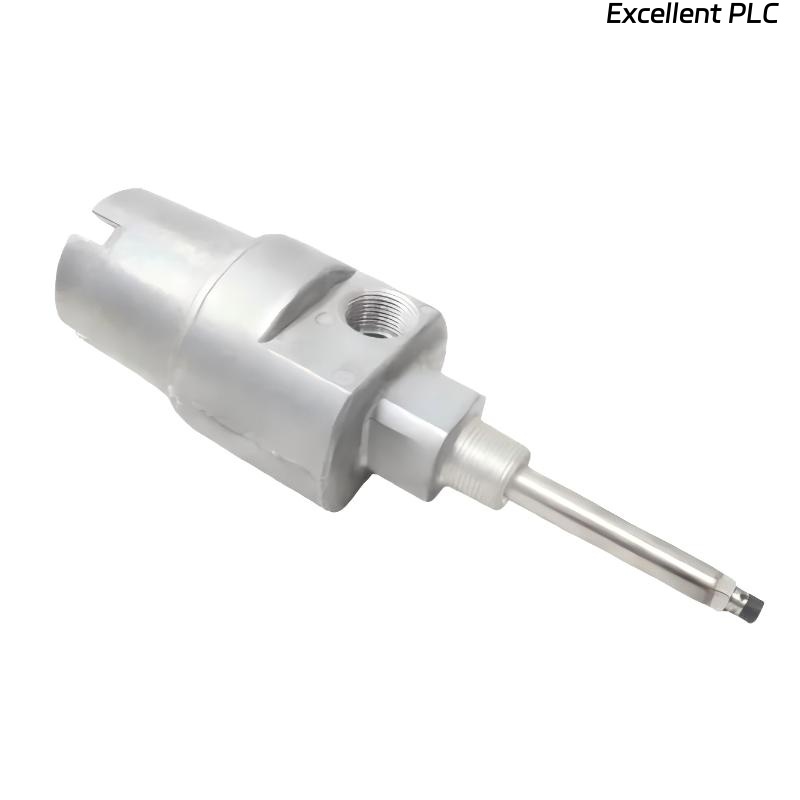
Table of Contents
- 24701-34-05-00-031-04-02 Fault Diagnosis Entry
- 3300XL Housing Assembly Fault Symptoms
- Engineering Troubleshooting Analysis
- Common Causes of Monitoring Faults
- Diagnostic Workflow and Dynamic Testing
- Corrective Actions and Monitoring Recovery
- Real Industrial Troubleshooting Experience
- Troubleshooting FAQ
- Final Technical Summary
24701-34-05-00-031-04-02 Fault Diagnosis Entry
Bently Nevada 24701-34-05-00-031-04-02 Troubleshooting commonly identifies probe misalignment, thermal expansion effects, and shielding continuity failures as major causes of unstable shaft vibration monitoring signals. In many industrial systems, installation quality has a greater influence on monitoring stability than actual probe hardware condition.
3300XL Housing Assembly Fault Symptoms
- Gap voltage fluctuation during operation
- Intermittent vibration alarms
- Signal spikes during startup
- Waveform distortion during load changes
Engineering Troubleshooting Analysis
Experienced field engineers usually isolate monitoring faults by inspecting housing alignment and mounting rigidity before replacing electronic components.
- Verify housing assembly stability
- Inspect probe alignment and penetration depth
- Check shielding continuity and grounding quality
- Then evaluate proximitor and monitor electronics
  // Probe Housing Diagnostic Logic
  IF Gap_Voltage_Fluctuation = TRUE THEN
      Inspect_Housing_Alignment();
      Verify_Thermal_Stability();
  ELSE IF Signal_Noise_Level > Threshold THEN
      Check_Shielding();
      Inspect_Cable_Routing();
  ELSE
      Test_Monitor_Channel();
  END_IF;
Common Causes of Monitoring Faults
- Incorrect probe penetration adjustment
- Thermal expansion affecting housing geometry
- EMI interference from inverter systems
- Damaged shielding continuity
- Loose housing fittings and connectors
Diagnostic Workflow and Dynamic Testing
- Measure static and dynamic gap voltage
- Observe waveform stability during startup
- Inspect cable routing near high-power equipment
- Compare vibration trends across adjacent monitoring channels
Corrective Actions and Monitoring Recovery
- Re-adjust housing alignment and probe position
- Improve mounting rigidity and thermal stability
- Repair shielding continuity failures
- Secure signal cables near the housing assembly
Real Industrial Troubleshooting Experience
In a refinery compressor protection system, repeated shaft displacement alarms appeared after startup:
- Gap voltage drifted from -9V to -5.7V
- Waveform spikes increased during load changes
Investigation revealed:
- Thermal movement combined with weak housing support rigidity
- Improper cable routing near inverter power systems
After corrective actions:
- Improved housing support rigidity
- Adjusted cable routing and probe alignment
Result:
- Stable shaft displacement monitoring restored
- False alarms eliminated during operation
Troubleshooting FAQ
Why does gap voltage drift during machine operation?
Thermal expansion and unstable mounting structures are common causes of gap voltage instability.
Can EMI interference affect shaft displacement monitoring?
Yes. High-power inverter systems can introduce electrical noise into probe signals.
Should the housing assembly be replaced immediately after intermittent alarms appear?
No. Housing alignment, shielding continuity, cable routing, and probe positioning should be inspected first.
Final Technical Summary
The Bently Nevada 24701-34-05-00-031-04-02 Troubleshooting Guide highlights that effective Fault Diagnosis depends on stable housing Setup, accurate probe alignment, proper shielding continuity, and optimized machinery monitoring System Configuration.