 Excellent PLC


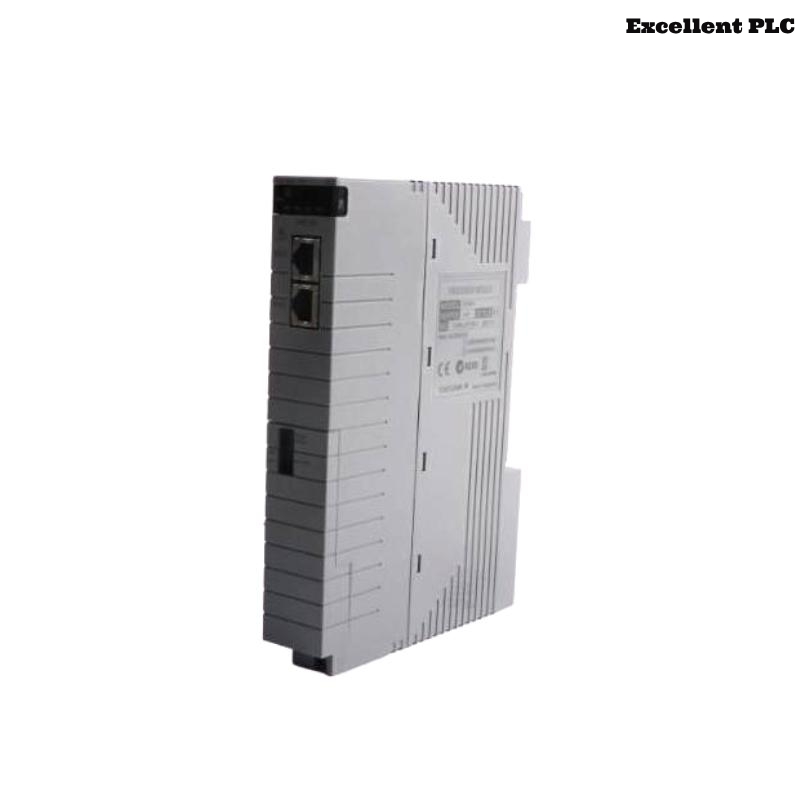
Table of Contents
- CP451-10 S2 Installation Overview
- Processor Module Function
- CP451-10 S2 Functional Features
- Pre-Installation Inspection Procedure
- Processor Module Installation and Rack Mounting
- Power and Communication Wiring Requirements
- CENTUM VP Controller Configuration
- Industrial Automation System Commissioning
- Processor Stability Optimization Methods
- Real Industrial Automation Application
- Installation FAQ
- Final Engineering Summary
CP451-10 S2 Installation Overview
The YOKOGAWA CP451-10 S2 processor module is a high-performance processor module used in CENTUM VP and CS3000 distributed control systems (DCS), supporting industrial process control, data processing, and communication management. :contentReference[oaicite:0]{index=0}
Proper installation quality directly affects industrial automation stability, controller communication integrity, and distributed process reliability. Incorrect grounding continuity, unstable power distribution, and improper cable routing can create controller startup failures and communication interruptions.
Processor Module Function
- Executes industrial process control logic
- Coordinates CENTUM VP distributed control operations
- Processes real-time automation data
- Manages communication with I/O and field devices
- Supports Vnet/IP industrial communication networks
CP451-10 S2 Functional Features
- High-performance processor architecture
- Supports redundant processor synchronization
- Industrial-grade reliability for harsh environments
- Compatible with CENTUM VP and CS3000 DCS systems
- Supports industrial communication protocols and Vnet/IP networking
Vendor documentation describes the CP451-10 S2 as a processor module supporting real-time control execution, redundancy capability, and industrial communication integration. :contentReference[oaicite:1]{index=1}
Pre-Installation Inspection Procedure
- Inspect processor module housing and connectors
- Verify rack power supply stability
- Check grounding continuity throughout the control cabinet
- Inspect cabinet airflow and cooling conditions
- Verify Vnet/IP communication cable integrity
Processor Module Installation and Rack Mounting
Correct processor installation is essential for stable industrial automation operation and long-term DCS reliability.
- Insert the CP451-10 S2 securely into the designated processor slot
- Verify backplane connector engagement
- Maintain sufficient airflow around processor modules
- Inspect communication bus connections before startup
  // Processor Startup Verification
  IF System_Power_Stable = TRUE THEN
      Initialize_CP451_Processor();
      Verify_Vnet_Communication();
  ELSE
      Inspect_Power_Distribution();
  END_IF;
Power and Communication Wiring Requirements
- Use industrial-grade shielded communication cables
- Separate communication wiring from high-voltage power cables
- Maintain stable grounding continuity throughout the cabinet
- Verify terminal tightness before energizing the controller
The CP451-10 S2 supports industrial communication integration and is commonly used in petrochemical, power generation, and manufacturing automation systems. :contentReference[oaicite:2]{index=2}
CENTUM VP Controller Configuration
- Verify firmware compatibility with CENTUM VP
- Configure Vnet/IP communication parameters
- Inspect processor diagnostics and redundancy status
- Validate stable communication with connected I/O modules
Industrial Automation System Commissioning
- Observe processor stability during startup
- Verify communication network integrity
- Check controller diagnostics and alarm conditions
- Validate stable automation process control performance
Processor Stability Optimization Methods
- Improve cabinet grounding continuity
- Reduce EMI exposure near communication cables
- Maintain proper cabinet cooling airflow
- Record baseline controller diagnostic performance
Real Industrial Automation Application
During commissioning of a refinery CENTUM VP distributed control system, intermittent communication instability occurred during high-load process operation:
- Vnet communication alarms appeared intermittently
- Controller response delays increased during production transitions
Investigation revealed:
- Communication wiring routed beside high-voltage power cables
- Weak grounding continuity connections inside the cabinet
After corrective actions:
- Separated communication and power cable routing
- Improved grounding continuity integrity
Result:
- Stable Vnet communication restored
- Distributed control reliability improved significantly
Installation FAQ
What systems commonly use the CP451-10 S2 processor module?
The module is widely used in Yokogawa CENTUM VP and CS3000 distributed control systems. :contentReference[oaicite:3]{index=3}
Does the processor module support redundancy?
Yes. Multiple vendor sources indicate support for active and standby processor synchronization for high availability operation. :contentReference[oaicite:4]{index=4}
Why is communication cable separation important?
Proper cable routing reduces EMI interference and improves industrial communication reliability.
Final Engineering Summary
The YOKOGAWA CP451-10 S2 Installation Guide demonstrates that reliable industrial automation depends on stable processor configuration, proper grounding continuity, optimized Vnet/IP communication routing, and disciplined distributed control system Commissioning.