 Excellent PLC


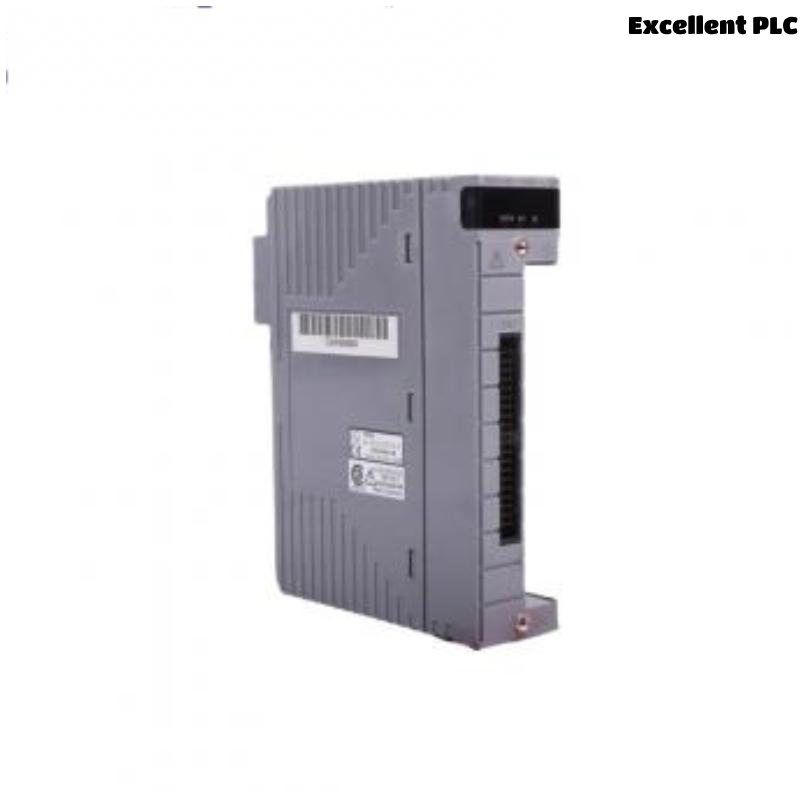
Table of Contents
- YCB146 Installation Overview
- T-Type Control Bus Connector Function
- YCB146 Functional Features
- Technical Specifications
- Pre-Installation Inspection Procedure
- Connector Installation Procedure
- Control Bus Wiring Requirements
- V net / Control Bus Configuration
- Industrial Network Commissioning
- Communication Stability Optimization
- Industrial Application Example
- Installation FAQ
- Engineering Summary
YCB146 Installation Overview
The YOKOGAWA YCB146 is a T-type control bus connector designed for Yokogawa CENTUM and V net industrial communication systems. The connector provides branch connection capability for industrial control bus wiring and supports stable communication expansion within DCS network architectures.
Proper installation directly affects DCS communication reliability, control bus signal integrity, and industrial network stability. Incorrect connector engagement, poor grounding continuity, improper cable routing, and EMI exposure can create intermittent communication alarms, network synchronization instability, and process communication interruptions.
T-Type Control Bus Connector Function
- Provides branch connection for control bus networks
- Supports V net and control bus expansion
- Maintains stable industrial communication continuity
- Enables organized network cable distribution
- Supports DCS network integration architecture
YCB146 Functional Features
- T-type industrial communication connector structure
- Dedicated Yokogawa control bus interface design
- Industrial EMI-resistant construction
- High-reliability communication contact system
- Optimized for CENTUM and Vnet/IP applications
Technical Specifications
- Product type: T-Type Control Bus Connector
- Application: Control bus branch connection
- Compatible systems: CENTUM / Vnet / Vnet-IP
- Connector configuration: T-type communication branch
- Installation method: Direct bus cable connection
- Shielding support: Industrial EMI protection
- Application environment: Industrial DCS communication systems
- Function: Communication bus branching and expansion
Yokogawa control bus documentation identifies YCB series accessories as communication connection components supporting V net and CENTUM network infrastructure integration.
Pre-Installation Inspection Procedure
- Inspect connector housing and contact integrity
- Verify communication cable condition
- Check cabinet grounding continuity
- Inspect network cable routing conditions
- Verify communication topology requirements
Connector Installation Procedure
Proper installation is essential for maintaining stable industrial communication and long-term DCS network reliability.
- Install the YCB146 connector at the designated branch location
- Verify secure communication connector engagement
- Maintain proper communication cable support
- Inspect all branch communication interfaces before startup
  // Control Bus Branch Startup Logic
  IF DCS_Communication_OK = TRUE THEN
      Verify_YCB146_Branch_Connection();
      Check_Control_Bus_Status();
  ELSE
      Inspect_Network_Communication_System();
  END_IF;
Control Bus Wiring Requirements
- Use shielded industrial communication cables
- Separate control bus wiring from inverter power cables
- Maintain stable grounding continuity
- Verify secure communication connector locking
- Maintain organized branch cable routing
Industrial DCS communication systems require disciplined cable routing and grounding practices to minimize EMI interference and maintain stable real-time process communication.
V net / Control Bus Configuration
- Verify network branch topology configuration
- Check communication continuity conditions
- Validate branch communication integrity
- Inspect process communication synchronization
Industrial Network Commissioning
- Observe network communication stability during startup
- Verify branch communication operation
- Check DCS communication diagnostic alarms
- Validate stable industrial process data transmission
Communication Stability Optimization
- Improve cabinet grounding continuity integrity
- Reduce EMI exposure near communication wiring
- Maintain secure communication connector engagement
- Record baseline network operating conditions
Industrial Application Example
During expansion of a refinery CENTUM Vnet/IP communication system, intermittent network instability appeared after adding remote process nodes:
- Communication synchronization alarms increased intermittently
- Remote node communication became unstable during motor startup
Investigation identified:
- Loose YCB146 branch connector engagement
- Communication wiring routed beside VFD power cables
After corrective actions:
- Re-secured YCB146 communication interfaces
- Separated communication and inverter cable routing
Result:
- Stable V net communication restored
- DCS network reliability improved significantly
Installation FAQ
What is the primary function of the YCB146?
The YCB146 provides T-type branch connectivity for Yokogawa control bus and V net communication systems.
Why is proper connector engagement important?
Secure connector engagement maintains stable industrial communication continuity and minimizes intermittent network faults.
Can EMI interference affect control bus communication?
Yes. Improper cable routing near inverter or motor wiring can create unstable communication conditions and synchronization alarms.
Engineering Summary
The YOKOGAWA YCB146 Installation Guide demonstrates that reliable industrial DCS communication depends on secure connector engagement, stable grounding continuity, optimized communication cable routing, and disciplined control bus installation practices.