 Excellent PLC


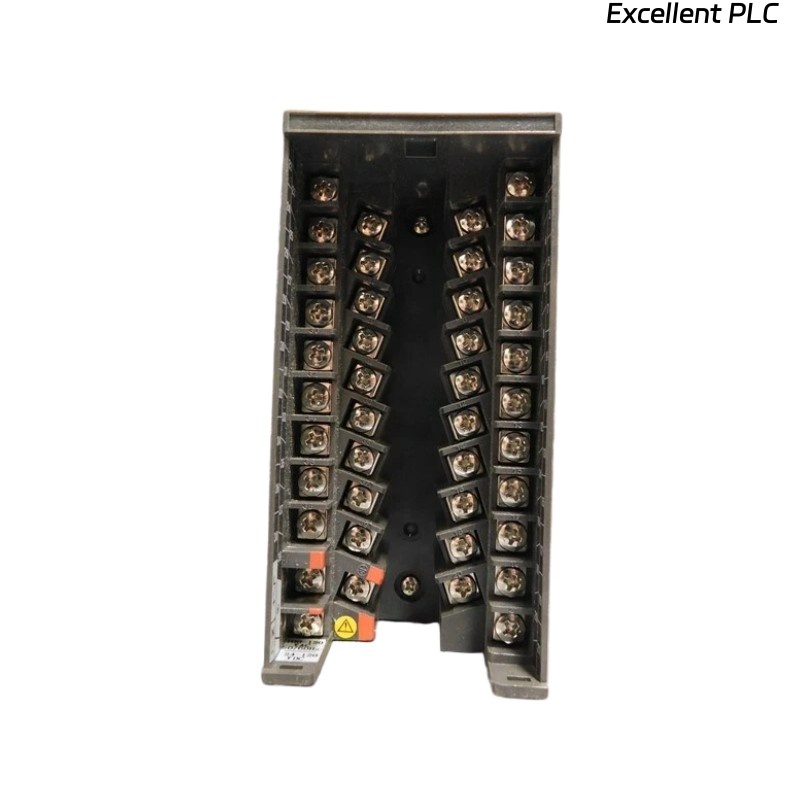
Table of Contents
- YS170-012 S3 Installation Overview
- Programmable Controller Function
- YS170-012 S3 Functional Features
- Pre-Installation Inspection Procedure
- Panel Mounting and Controller Installation
- Signal Wiring and Power Connection Requirements
- Controller Configuration and Parameter Setup
- Automation System Commissioning
- Control Stability Optimization Methods
- Real Industrial Automation Application
- Installation FAQ
- Final Engineering Summary
YS170-012 S3 Installation Overview
YOKOGAWA YS170-012 S3 programmable controller installation quality directly affects industrial process control stability and automation system reliability. Incorrect grounding continuity, improper signal wiring, and unstable controller configuration frequently create communication faults, unstable PID regulation, and process oscillation in industrial control applications.
This Installation Guide explains practical Setup methods for controller installation, signal wiring inspection, parameter configuration, and industrial automation Commissioning.
Programmable Controller Function
- Provides programmable industrial process control functions
- Supports PID loop regulation and automation logic
- Interfaces with field instrumentation and actuators
- Supports process monitoring and alarm handling
YS170-012 S3 Functional Features
- Programmable control logic configuration
- Industrial-grade process monitoring capability
- Analog and digital signal processing support
- Compact panel-mounted controller structure
- Stable operation in industrial environments
The YS170 series programmable controllers are designed for industrial automation systems requiring reliable process monitoring, configurable control logic, and stable long-term operation.
Pre-Installation Inspection Procedure
- Inspect controller housing and terminal blocks
- Verify power supply compatibility before startup
- Check grounding continuity and panel ventilation
- Inspect communication and signal wiring integrity
Panel Mounting and Controller Installation
Proper controller installation is essential for stable process control operation and long-term automation system reliability.
- Install the controller securely within the control panel
- Maintain sufficient airflow around the controller
- Separate signal cables from inverter and motor power wiring
- Verify terminal tightness before energizing
  // Controller Startup Verification
  IF Power_Supply_Stable = TRUE THEN
      Start_Controller();
      Verify_IO_Status();
  ELSE
      Inspect_Power_System();
  END_IF;
Signal Wiring and Power Connection Requirements
- Use shielded cables for analog signal wiring
- Maintain single-point grounding for instrumentation systems
- Separate communication lines from high-voltage wiring
- Inspect all terminal connections before commissioning
Controller Configuration and Parameter Setup
- Configure PID loop parameters
- Set analog input and output scaling ranges
- Verify alarm threshold settings
- Check communication interface configuration
Automation System Commissioning
- Observe process stability during startup
- Verify analog and digital I/O operation
- Check alarm response and control logic behavior
- Validate communication status with supervisory systems
Control Stability Optimization Methods
- Improve grounding continuity within the control cabinet
- Reduce EMI exposure near signal wiring
- Optimize PID tuning parameters
- Record baseline process data after commissioning
Real Industrial Automation Application
During commissioning of a chemical reactor temperature control system, unstable process regulation appeared during startup:
- Temperature control oscillated continuously
- Analog outputs fluctuated unexpectedly
Investigation revealed that signal wiring was routed adjacent to inverter power systems, introducing electrical interference into the controller input channels.
After corrective actions:
- Re-routed signal cables away from high-power wiring
- Optimized PID parameter configuration
Result:
- Stable process control restored
- Control loop oscillation eliminated
Installation FAQ
Why is shielding continuity important for controller signal wiring?
Proper shielding continuity reduces EMI interference and improves analog signal stability.
Can incorrect PID settings affect process stability?
Yes. Improper PID tuning may create unstable oscillation and inaccurate process regulation.
Should communication cables be isolated from inverter systems?
Yes. Proper cable separation improves communication reliability and reduces electrical noise exposure.
Final Engineering Summary
The YOKOGAWA YS170-012 S3 Installation Guide demonstrates that reliable industrial automation depends on stable signal wiring, proper grounding continuity, optimized PID Setup, and disciplined process control Commissioning.